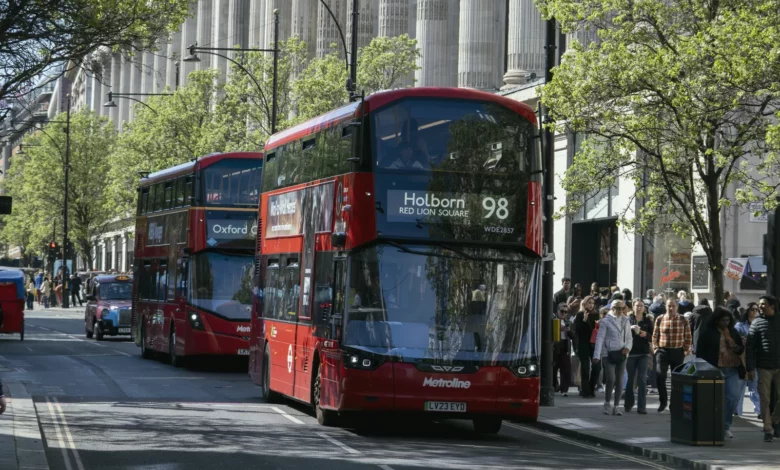
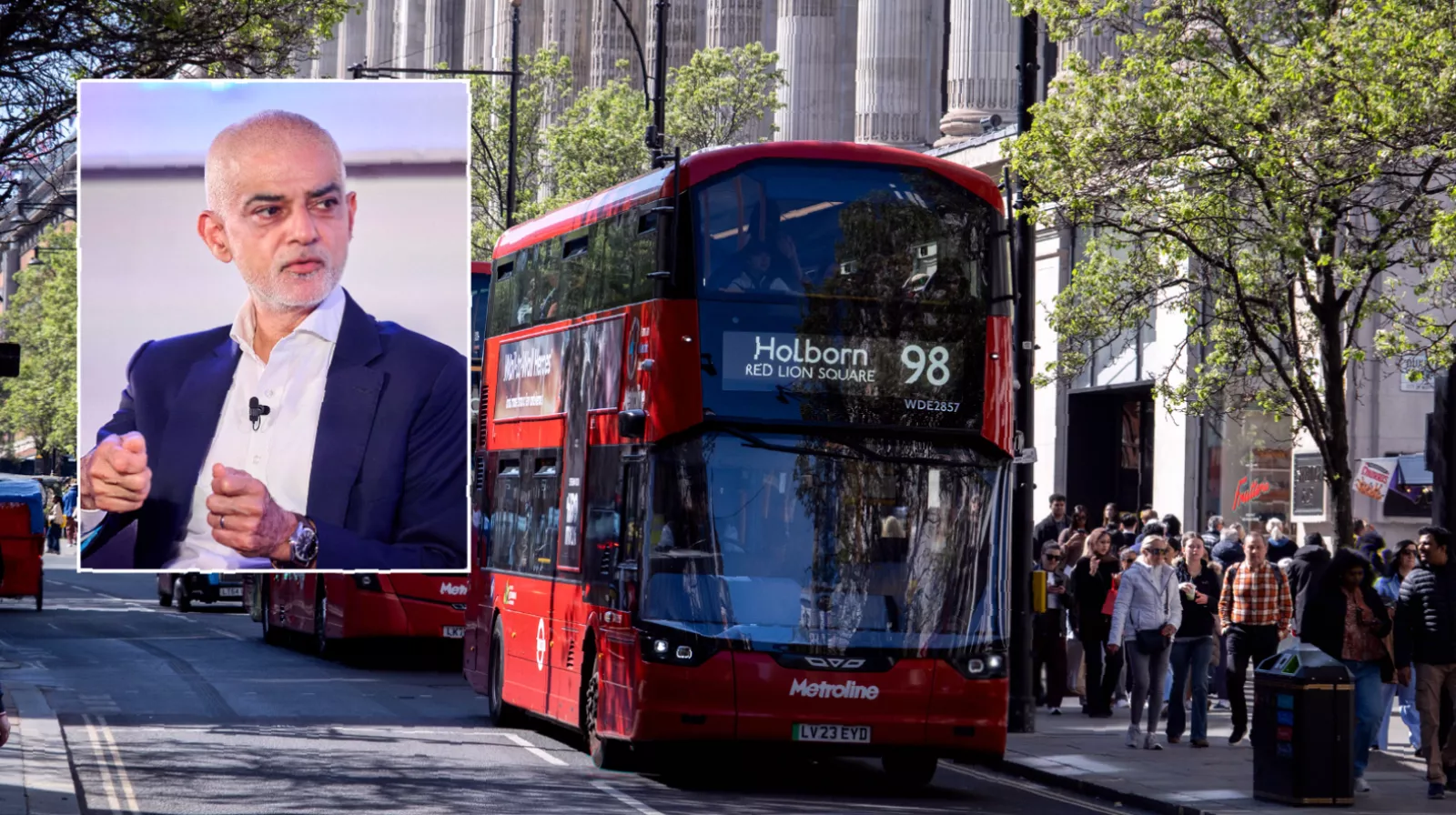
Westminster City Council has demanded that Transport for London immediately suspend alterations to bus stops along Oxford Street, escalating a bitter dispute over the pedestrianisation plans championed by Mayor Sir Sadiq Khan.
Council leader Paul Swaddle accused the Mayor and TfL of a “stitch-up, plain and simple”, claiming the measures were pushed through with a consultation “so quiet that the people whose livelihoods depend on the street never even knew it was happening”. The council has formally written to TfL calling for the bus stop changes and associated traffic orders to be halted.
Mr Swaddle’s anger centres on the timing of the announcement. TfL published the traffic orders immediately after May’s local elections, when public attention was firmly fixed on the results. The council leader said the Mayor and his transport authority were attempting “to force through permanent changes to the most famous shopping street in the world” through a process he described as a sham.
The council has also pointed to the lack of awareness among businesses and residents. Labour councillors have accused the Conservatives of a U-turn after the council ruled out a legal challenge despite having previously pledged to set up a legal fund to fight the scheme. Mr Swaddle admitted that legal advice suggested a judicial review would be unlikely to succeed at this late stage, leaving the borough effectively powerless to block the orders.
Council’s accusations of a quiet consultation
Westminster has focused its criticism on what it sees as a deliberately low-key consultation process. Mr Swaddle said the consultation was “so quiet” that even traders who depend on the street were unaware it was taking place. TfL’s decision to publish the measures just after the elections was condemned as an attempt to slip changes through while public attention was elsewhere.
The council has also raised concerns about the scheme’s potential impact on crime, accessibility for disabled people, and traffic congestion on surrounding roads. The Soho Society’s chair, Tim Lord, warned that pedestrianisation on a nearby street – Old Compton Street in Soho – had previously led to an increase in criminal offences. He noted that the West End ward already experiences a high proportion of public realm crime in Westminster. A YouTube video has also suggested that the pedestrianised zone could become a “haven for phone snatching”.
Accessibility has emerged as another flashpoint. Inclusion London stated that full pedestrianisation may create barriers unless there is meaningful engagement with the disabled community. Many tube stations serving Oxford Street lack step-free access, making buses and taxis crucial for less mobile Londoners. The council also highlighted the logistical challenge of deliveries for businesses, with the scheme allowing servicing vehicles access only between midnight and 7am.
Mr Swaddle said the council anticipates receiving further notifications as the scheme progresses, which would give Westminster additional opportunities to submit formal responses. Despite ruling out a legal challenge, the council says it will continue to explore other legal and procedural options and is seeking a meeting with the Mayor to raise its concerns.
TfL’s defence and the plan’s aims
TfL has defended its approach, insisting that standard procedures were followed. A spokesman said the authority issued the traffic orders by “publishing a notice and sending emails to statutory consultees such as Westminster City Council”. TfL pointed out that two extensive public consultations were held – one in late 2025 and another in early 2026 – on the principle of pedestrianisation and the scope of the scheme.
The earlier consultation, held between February and May 2025, received more than 6,000 responses, with approximately 70% supporting the creation of a Mayoral Development Corporation and two-thirds in favour of pedestrianisation. A subsequent consultation on transport and highway changes, which concluded in January 2026, drew responses from 2,700 people, with the most frequently raised comment being general support for the proposal. Major businesses including Selfridges, John Lewis and Ikea have welcomed the plans.
The £150 million scheme will see the western portion of Oxford Street between Orchard Street and Great Portland Street closed entirely to private cars, buses, taxis, cyclists, scooters and pedicabs. Emergency services will retain access at all times. Buses currently using Oxford Street will be rerouted along Wigmore Street and Henrietta Place. TfL took over as the highway authority for Oxford Street in September 2025 and has issued traffic orders covering more than 20 streets, including modifications to bus stands and supporting infrastructure.
Sir Sadiq Khan first announced the plans in February last year, arguing that Oxford Street could become a global leader for shopping and outdoor events, and that “urgent action” was needed. He suggested the transformation would help the street compete with Times Square in New York and the Champs-Élysées in Paris. “This would help to unlock the true potential of Oxford Street and attract more international visitors, bringing the world to London and showcasing the best of London to the world,” he said. “It would act as a magnet for new investment and job creation, driving growth and economic prosperity for decades to come.”
The Greater London Authority estimates the scheme could generate up to £82 million in Gross Value Added annually and support more than 700 additional jobs. Sir Sadiq maintains the changes will breathe new life into the area and boost the local economy. A trial held last September – which featured stalls and events from the National Basketball Association and The Body Shop – saw more than two-thirds of shops along Oxford Street report similar or higher sales compared with a typical Sunday, providing evidence that the pedestrianisation could be commercially viable.
Oxford Street is already off-limits to general traffic between 7am and 7pm, Monday to Saturday. TfL aims to begin implementing the pedestrianisation in the second half of 2026, with the first section potentially becoming traffic-free by the end of summer 2026 and works continuing until late 2027. An Oxford Street Development Corporation has been established to lead the regeneration.