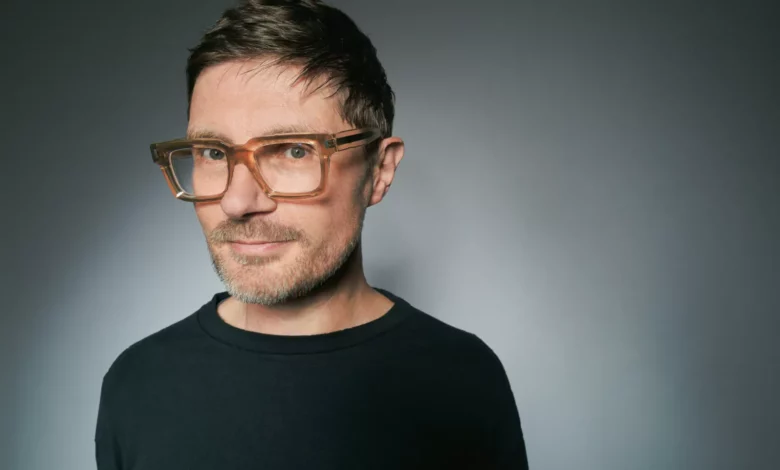
After more than three decades at the vanguard of art and technology, Manchester’s influential digital culture non-profit, FutureEverything, is closing. The organisation, which began as Futuresonic in 1995, will cease operations on 4 April 2026, drawing to a close a 31-year chapter that saw it help reshape its home city and pioneer fields from locative media to AI arts on a global stage.
Founder Drew Hemment framed the closure as a symbolic passing of the baton. “FutureEverything was born when digital culture was a niche interest,” he said. “Now, digital culture no longer exists as a discrete field – it’s everywhere, embedded in everything. In a way, it feels like the end marks the moment a pioneering generation passes the baton to the mainstream it helped to create.” He also pointed to the “structural precarity faced by small pioneering cultural organisations in a post-pandemic funding environment” as a key factor.
Festival as Laboratory
The organisation’s outsized influence stemmed from its innovative “festival-as-lab” approach, which transformed cultural events into experimental laboratories for lasting change. This ethos generated a series of groundbreaking projects that often prefigured major technological shifts.
Perhaps the most definitive example was 2004’s Mobile Connections, staged years before the smartphone revolution. It is considered the world’s first major cultural event dedicated to mobile media. This was followed by initiatives like Open Data Cities, one of Europe’s first open data programmes, which directly led to the creation of the Greater Manchester Datastore. Its work extended to vast environmental projects, including the GROW Observatory, which it founded – the world’s first continental-scale citizens’ observatory.
These endeavours, developed with partners ranging from the Singapore Government and the European Commission to Intel, cemented FutureEverything’s reputation. It was cited by then-Prime Minister David Cameron as a UK success story and became a driving force in Manchester’s digital renaissance.
From Locative Media to Nature on the Board
In its later years, leadership under Creative Directors Irini Papadimitriou and Lucy Rose Sollitt, and Executive Director Chris Wright, steered the organisation towards the forefront of discourse on artificial intelligence. From 2018, Papadimitriou established FutureEverything as a leading international voice on AI art, with exhibitions reaching some 400,000 visitors worldwide.
Its final act was perhaps its most radical: the Nature Directed initiative. In a global first for a cultural organisation, FutureEverything moved to give Nature legal decision-making power, effectively appointing it to its Board of Directors. This project is set to continue as an inspiration for wider sector transformation beyond the charity’s own closure.
“FutureEverything has had an outsized influence on digital culture, on Manchester, and on countless artists, technologists and communities around the world,” said Annette Mees, Chair of the Board.
A Legacy Translated
While the company is closing, its methods and influence are designed to persist. Drew Hemment intends to translate FutureEverything from an organisation into a methodology, distilling its 31 years of experience to seed new initiatives and communities. He continues related work through “Doing AI Differently,” a global initiative he leads at The Alan Turing Institute.
An archive project will document the organisation’s legacy, with its international community invited to contribute. A summer celebration is also planned for collective reflection. Arts Council England acknowledged its significant role, with Jen Cleary, Director for Combined Arts and the North, stating it “facilitated a vital bridge between creative and research communities that pioneered new forms and approaches.”
“What we built together – the ideas, the community, the fields we helped open up – doesn’t close with the company,” Hemment concluded. “It carries forward into the future it helped to imagine.”