Shabana Mahmood pledges no change to stringent migration measures despite byelection defeat

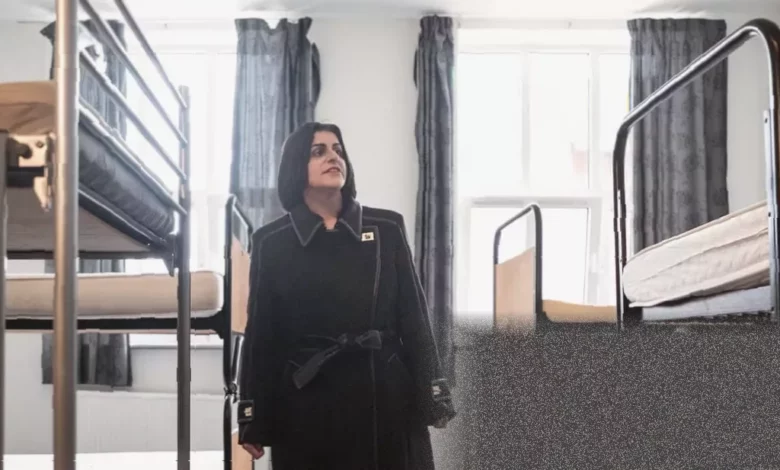
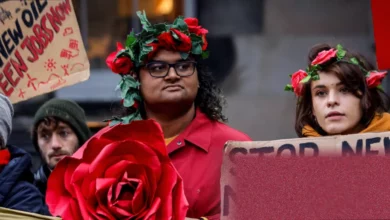
The Green Party’s historic victory in the Gorton and Denton by-election, a seat Labour had held for almost a century, has triggered a stark political response from the government, with Home Secretary Shabana Mahmood vowing to accelerate a hardline overhaul of Britain’s asylum system.
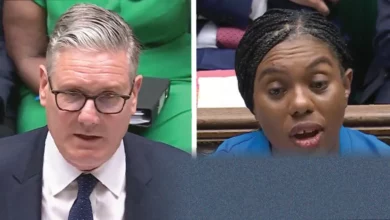
In a result described as a major blow to Prime Minister Keir Starmer, Labour slumped to a humiliating third place. The Green Party’s Hannah Spencer secured 40.7% of the vote, marking a 27.5% swing and delivering the party its first MP in northern England. The insurgent Reform UK took second with 28.7%, pushing Labour into third with just 25.4%.
In the wake of this upset, calls from within the Labour movement for a progressive change of course have been emphatically rejected. Andrea Egan, general secretary of the union Unison, urged the government to defend “migrants and refugees”, while independent MP Diane Abbott said Labour should “turn to more progressive policies on issues such as immigration and asylum”.
Senior Labour sources have dismissed these appeals, insisting the idea that Muslim voters were being lost over immigration was “plain wrong”. Instead, Home Secretary Shabana Mahmood is pressing ahead with a suite of stringent reforms, arguing that controlling migration is essential to Labour’s future and to preventing far-right gains.
“The levels of illegal migration are putting immense strain on our country, and our public services – creating division within communities across the country,” Mahmood said on Friday. “Illegal migration is undermining the contract between government and its citizens.”
The Danish blueprint for a firmer system
Central to the Home Office’s new direction is inspiration drawn from abroad. Last week, Mahmood visited Denmark to study the centre-left Social Democratic party’s hardline approach, which has significantly reduced asylum applications and increased removals.
Denmark’s system, detailed under its Danish migration and migrant policy, shifted from granting permanent residence after five to seven years to issuing only temporary permits for one or two years at a time. Permanent status now requires fluency in Danish and proof of several years in full-time employment.
“Denmark shows us how to be firm but fair: removing the incentives that draw illegal migrants to their borders while providing refuge to those in genuine need,” Mahmood stated. “That is why we will follow the Danish model to restore order and control to our borders.”
Proposed reforms: from temporary status to a 20-year wait
The proposed British reforms, which Mahmood will argue are consistent with Labour values in a speech next week, represent a fundamental break from the system introduced by the last Labour government in 2005. Under that framework, refugees could apply for indefinite leave to remain after five years, providing a secure route to benefits and citizenship.
The new vision is built on temporary protection. Refugee status would become subject to reassessment, with individuals required to return home if their country is deemed safe. Furthermore, the government plans to force people to wait up to 20 years before being eligible to claim leave to remain, with a consultation proposing an “earned settlement” framework that could set a baseline qualifying period of ten years for most migrants.
Other measures include removing the legal duty to provide support to some asylum seekers—targeting those who can work, have assets, or fail to comply with removal directions—and imposing visa sanctions on uncooperative countries. The appeals system would also be overhauled into a “one stop shop” for a single appeal prior to removal.
Mahmood has positioned this agenda between what she calls the Green Party’s “open borders” policy and the “nightmare” offered by Nigel Farage’s Reform UK. Labour sources point to polling from More In Common suggesting a majority of Labour and Green voters support many of Mahmood’s proposals, despite clear internal party divisions.
The political shock of Gorton and Denton, triggered by the resignation of Labour’s Andrew Gwynne on health grounds, has laid bare deeper challenges for the governing party. Analysis suggests a collapse in support among both white working-class voters and minority ethnic groups, while the Green victory signals the party’s potential repositioning as a broader left-wing populist force. With the Conservatives and Liberal Democrats losing their deposits in the by-election, the result has redrawn the battle lines for British politics, with the Home Secretary betting that a firmer line on borders, not a softer one, is the only viable path forward.