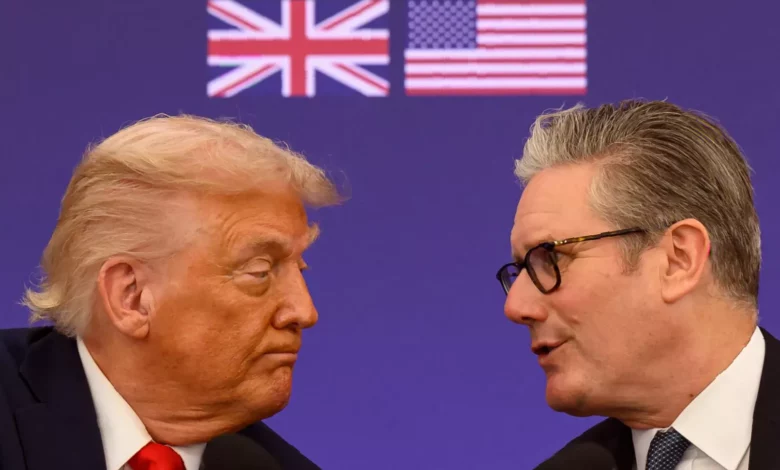
Households across Britain are bracing for a fresh financial hit as the conflict in the Middle East sends shockwaves through the global economy, with the Prime Minister warning that people are “rightly worrying” about their bills and jobs.
Sir Keir Starmer moved to address growing public concern directly, stating his government was “intently focused” on the cost-of-living crisis that risks being severely exacerbated by the war. “I will always be guided by what is best for the British public and no matter the headwinds, supporting working people and their families with the cost of living is always top of my mind,” he said.
The Strait of Hormuz chokehold
The immediate economic threat stems from a drastic reduction in the flow of energy through one of the world’s most critical trade arteries. Iran has effectively closed the Strait of Hormuz by threatening to sink vessels attempting to pass through it. This narrow channel is a lifeline for global energy supplies, with approximately one-fifth of the world’s oil and a significant volume of liquefied natural gas (LNG) normally moving through it daily.
While not technically sealed, the withdrawal of major commercial operators, oil companies, and insurers has created a de facto closure. Traffic through the strait is estimated to have fallen by around 90%, stranding tankers and choking off supplies. In an attempt to counter this, US President Donald Trump has announced the US will provide political risk insurance for vessels attempting the passage.
The blockade’s impact was compounded by an Iranian drone attack early in the conflict that targeted Qatar’s North Field, the world’s largest LNG export facility. Qatar’s state-run energy company was forced to shut down production at the site.
Soaring costs and a global warning
The result has been a dramatic surge in global energy prices. Brent crude oil has soared, trading at over $80 a barrel and reaching its highest level since July 2024. The situation has prompted a stark warning from Qatar’s energy minister, Saad al-Kaabi, who told the Financial Times that the war could “bring down the economies of the world”. He predicted a widespread shutdown of Gulf energy exports could send oil to $150 a barrel, and cautioned that even if the war ended immediately, it could take “weeks to months” to resume normal exports.
For UK households already grappling with high costs, the implications are severe. Chancellor Rachel Reeves held an emergency meeting with oil and gas industry chiefs last week amid warnings that annual energy bills could rise by £500 if the conflict persists. Global gas prices have also surged, directly impacting the UK market.
The shock to energy markets is now rippling through the wider economy. The International Monetary Fund estimates that global economic growth is reduced by 0.15% for every 10% rise in oil prices, stoking fears of renewed inflation and constrained growth worldwide.
Mortgage pain and market turmoil
One of the most direct consequences for British families is being felt in the housing market. Lenders, including Nationwide, HSBC, and the Coventry Building Society, have begun raising fixed mortgage rates. This is due to rising funding costs linked to the Middle East crisis, with experts predicting other lenders will follow suit. The turmoil has also dampened hopes of imminent interest rate cuts from the Bank of England, with some analysts now suggesting rates could even rise again.
Financial markets have been rocked by the uncertainty. The FTSE 100 has experienced significant volatility and declines, with sectors like airlines, luxury goods, and banks being particularly hard hit. The conflict adds to a list of global economic challenges, including Trump’s tariffs and the ongoing war in Ukraine, which have collectively impacted UK growth.
Government response and geopolitical rift
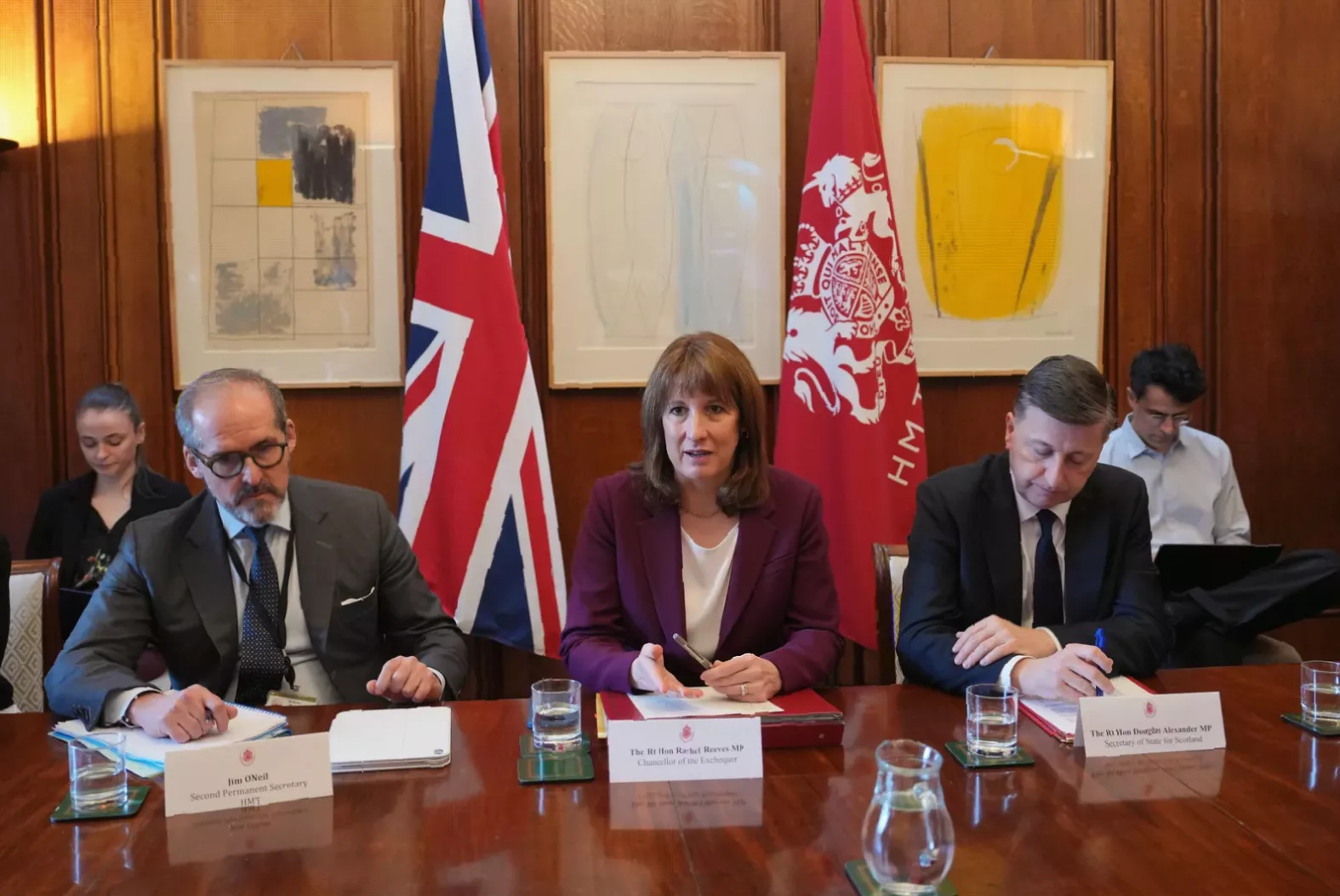
In response to the crisis, Chancellor Reeves has signalled a potential postponement of plans to replace the windfall tax on North Sea energy producers due to the war’s impact. The government’s stated priority is to raise living standards as it seeks to recover its political standing.
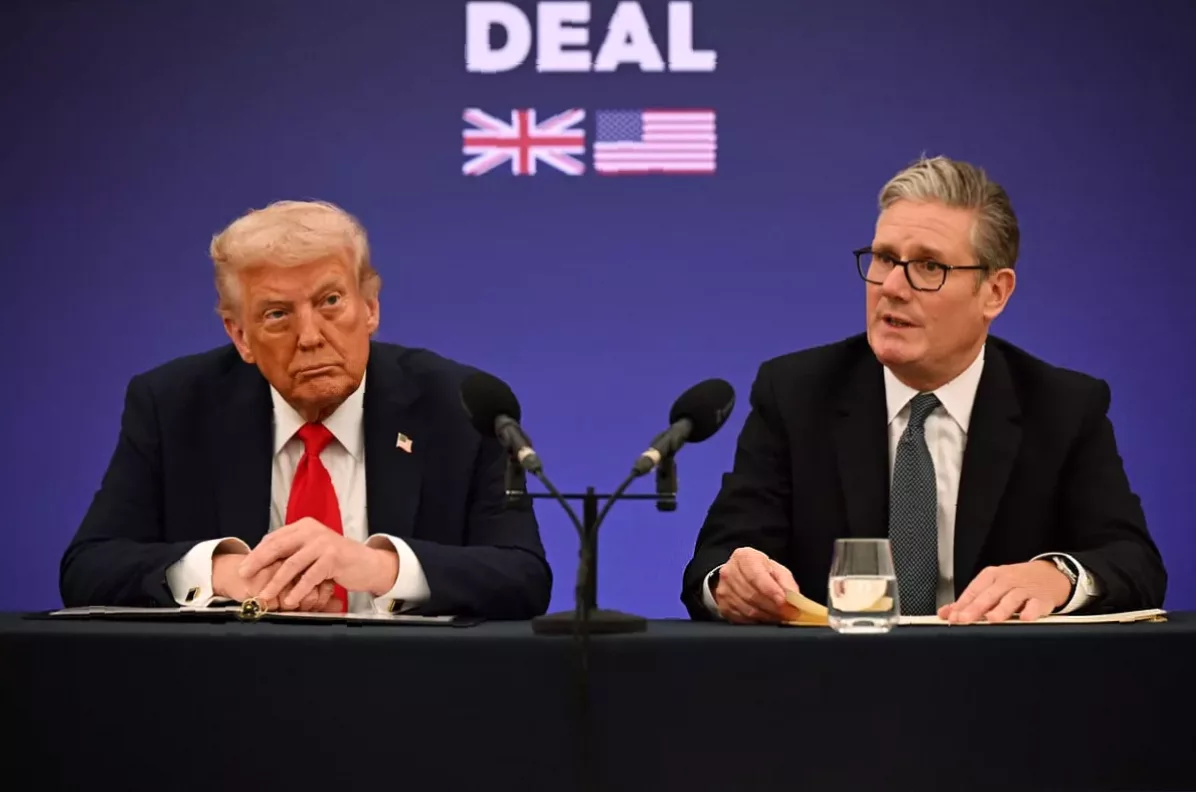
The economic fallout is unfolding against a backdrop of significant geopolitical tension between London and Washington. Sir Keir Starmer and Donald Trump have clashed repeatedly after the Prime Minister refused to allow US bomber planes to fly from UK bases for the initial offensive airstrikes on Iran—a decision Sir Keir has framed as being in the national interest and which he has suggested was based on doubts over the operation’s legality.
The conflict underscores the UK’s structural vulnerability to disruptions in global supply chains, given its persistent trade deficit and reliance on imported resources. Analysts suggest that accelerating the transition to domestic renewable energy is a critical long-term solution to reduce this exposure. For now, however, the government faces the immediate task of managing an external shock that is set to tighten the squeeze on household finances.