An Albanian organised crime network has established a formidable stronghold in a well-heeled north London suburb, operating protection rackets, drug markets, and people-smuggling operations from its streets and cafés while instilling a pervasive fear that has left the local community terrified to speak out.
Law enforcement sources describe the area around Southgate Tube station on the Piccadilly line as a virtual fortress for the gang, with its influence so entrenched that some locals have nicknamed it “Little Tirana” after Albania’s capital. According to sources who spoke to Metro, the criminals use the threat of extreme violence to force businesses to comply, with an increasing number of restaurants and shops being coerced into paying protection money or even handing over their premises entirely.
The Cocaine Revolution and a London Powerbase
The Southgate operations are part of a much larger and more sophisticated threat. The National Crime Agency considers Albanian organised crime groups a top-tier national security risk, primarily due to their dominance of the UK’s multi-billion-pound cocaine market. They have revolutionised the trade by negotiating directly with South American cartels, importing high-purity cocaine at competitive prices and selling it cheaply to undercut rivals and corner the market.
This “sell cheap and sell more” strategy has flooded the UK with high-grade cocaine, driving down street prices and contributing to a rise in drug-related fatalities. The immense revenue from this industrial-scale supply fuels their entire operation, providing the financial firepower to expand their influence and, as sources in Southgate allege, attempt to “buy up” communities.
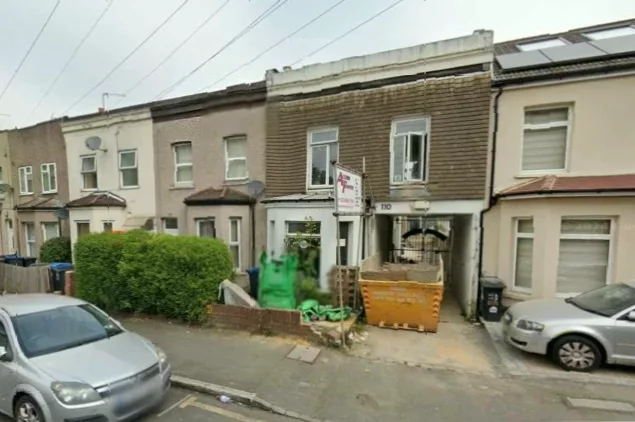
In Southgate, the gang’s main focus is around Ashfield Parade, a street identified by police as a stronghold. One resident, Albanian people smuggler Arlin Leka, was jailed in 2023 for trafficking fellow countrymen into the UK. Police have conducted raids on addresses in the area following ongoing intelligence about the gang’s activities.
Hiding in Plain Sight and Enforcing Silence
Unlike more ostentatious criminal enterprises, the Southgate network is described as operating with chilling discretion, “hiding in plain sight” from cafés and street corners. A local shopkeeper, too frightened to be named, told Metro the atmosphere changed completely when the Albanian criminals moved in. “They want to take all the businesses,” he said, alleging they pay people to vandalise shops or start fights outside them to force long-standing, often Greek Cypriot-run businesses to close so they can move in.
The Omertà – the code of silence famously associated with the Italian Mafia – is strictly enforced. Sources say the community is “too frightened to speak out” for fear of brutal reprisals, with the gangs known to torture opponents. They maintain a pool of enforcers, often seen assembling outside cafés by day, ready to be dispatched to “take care of business.”
This propensity for unbridled violence extends to their dealings with rivals. During a trial at Croydon Crown Court last year, it was heard that raiders armed with machetes who stormed an Albanian-run cannabis factory “brought knives to a gunfight” after the Albanian defenders produced handguns. This reputation for swift, extreme violence even affects relations with other established criminal groups. While Turkish organised crime gangs, involved in heroin smuggling and firearms, hold sway in areas like Tottenham and Wood Green, sources indicate they rarely clash with the Albanian mob further north in Southgate and Cockfosters, partly out of fear of their retaliatory tactics.
A Network of Violence From Barking to Battersea
The tentacles of this network stretch across the capital. In Barking, the flashy “Hellbanianz” gang, known for brandishing weapons and flaunting Rolexes and Ferraris on social media, operated the Gascoigne Estate. Police sources consider them a lower-tier retail and enforcement arm of the broader Albanian mafia, though some leaders are now reported to have relocated to Dubai.
A stark example of the lethal reach of these groups was the assassination of Albanian drug lord Flamur Beqiri on Christmas Eve 2019. Beqiri, 39, the brother of reality TV star Misse Beqiri, was shot dead in front of his wife and young child on a street in Battersea, southwest London. His killer, Swedish kickboxer Anis Hemissi, was hired as an assassin in a dispute between international crime groups and was later sentenced to life imprisonment. During the trial, Beqiri was described as a kingpin living a high-life in London, a testament to the wealth and international connections these networks command.
The National Response and a Community’s Fear
The National Crime Agency is leading the UK’s response, collaborating with international partners and Albania’s own anti-organised crime bureau, SPAK, to hunt for criminals’ assets. Albanian nationals now constitute a significant portion of the foreign national prison population in the UK, at a cost of millions to taxpayers, with the government pursuing deportation agreements and prisoner transfers.
Despite these efforts, for the residents and business owners of Southgate, the reality is a daily climate of intimidation. A security source familiar with the area pointed out a disused building site where drugs are sold, stating the gangs “have privacy and know their patch inside out.” The source emphasised that the issue is not with law-abiding Albanian businesses but with “this dangerous criminal element that has put down roots in our community.”
With the community feeling powerless and too scared to challenge the gangs’ grip, the quaintly nicknamed “Little Tirana” stands as a stark symbol of how international organised crime can colonise a London neighbourhood, operating with impunity under a veil of silence enforced by the ever-present threat of violence.