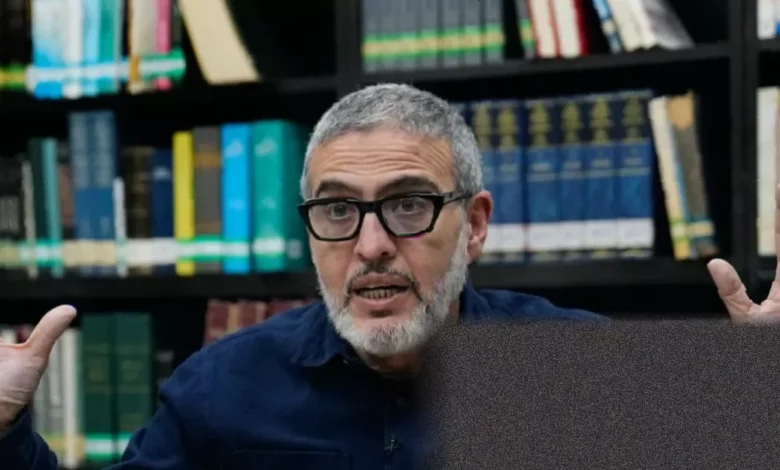
The General Medical Council has launched a High Court appeal against the clearance of a prominent British-Palestinian surgeon, a move he has condemned as politically motivated and which has forced him to seek £150,000 in public donations for his legal defence. Dr Ghassan Abu-Sittah, a plastic and reconstructive surgeon, was exonerated of all misconduct charges by a Medical Practitioners Tribunal Service panel in January 2026.
Surgeon’s Profile and the Origins of the Case
Dr Abu-Sittah, who was elected Rector of the University of Glasgow in April 2024, has a long history of providing medical assistance in conflict zones including Iraq, Lebanon, Syria, Yemen, and repeatedly in Gaza. His work there during the 2023-2024 conflict, at hospitals such as Al-Shifa and Al-Ahli Arab, led him to give testimony on his experiences to both the International Criminal Court and the International Court of Justice. The case against him originated from complaints filed by the lobby group UK Lawyers for Israel (UKLFI) to the GMC, alleging that an article he wrote for a Lebanese newspaper and two posts on X, formerly Twitter, supported terrorism, were antisemitic, and impaired his fitness to practise.
Tribunal’s Clearance and GMC’s Contested Appeal
The MPTS tribunal comprehensively rejected these allegations. It found that an “ordinary reader” would not interpret the material as providing support for terrorism or endorsing violence, and identified no intent on Dr Abu-Sittah’s part to promote violence or hatred. The tribunal chair, Ian Comfort, stated the panel did not “cherrypick” quotes but considered the article in its entirety, and said the GMC and UKLFI had misrepresented posts and failed to provide accurate translations. The barrister for the tribunal added that the tweets, which related to Hamas and the Popular Front for the Liberation of Palestine, could not be seen as inciting or supporting violence.
Despite this ruling, the GMC is proceeding with an appeal, which Dr Abu-Sittah describes as the third legal action the regulator has brought against him. “What the GMC is saying is that it will keep going until it gets the decision it deems politically acceptable,” he said, accusing the body of being “weaponised as a tool of political repression”. He linked the appeal to external pressure, stating: “The significant cost of pursuing this appeal, borne by fee-paying GMC members, raises serious questions about the degree of external political pressure being exerted on the regulator.”
In response, a GMC spokesperson said exercising its right of appeal “is something we do with great care and only after detailed consideration. Our focus is protecting the public, and we are satisfied given the nature of the allegations that it is right that we appeal.”
Broader Legal and Political Context
The appeal unfolds against a backdrop of planned reforms to the regulator’s powers. The government has said it intends to remove the GMC’s right of appeal, a change that has been in the pipeline for years. A 2018 review noted a perception that the regulator had “two opportunities to make its case”. The GMC’s chief executive, Charlie Massey, told a parliamentary committee in January that it was “reconciled to” this change.
The complainant, UK Lawyers for Israel, has been a consistent presence in the case. A UKLFI spokesperson expressed shock at the tribunal’s decision, stating it is “shocking that the tribunal has found it acceptable for doctors to commemorate acts of violence and pay tribute to terrorists.” The group denies any involvement in the GMC’s appeal but has made its own complaint to the Professional Standards Authority regarding the GMC’s prosecution and the MPTS decision, which the PSA is reviewing. UKLFI itself faces allegations of using “lawfare” tactics; legal groups have filed a complaint with the Solicitors Regulation Authority accusing it of breaching professional standards and employing Strategic Lawsuits Against Public Participation, which UKLFI denies.
Dr Abu-Sittah’s legal challenges extend beyond this case. In April 2024, he was denied entry into Germany to speak at a conference, an incident his lawyers cite as part of a pattern of “incessant legal harassment.” He has also received an “outpouring of support from Jewish colleagues, patients and even Israeli co-workers who submitted testimonials to the GMC tribunals”. Regarding the allegations, he stated: “I do not, and have never, supported violence against civilians. The allegations made against me were rejected by the tribunal and, in my view, form part of a broader attempt to discredit my professional and humanitarian work.”
As Rector of the University of Glasgow—a role he was elected to in March 2024 and which does not involve being a university staff member or speaking for the institution—his manifesto included pledges to pressure the university to condemn actions in Gaza, divest from the arms trade, and reinforce partnerships with Palestinian universities. He now faces a renewed fight in the High Court, reliant on the crowdfunding campaign to meet the substantial costs of his defence.