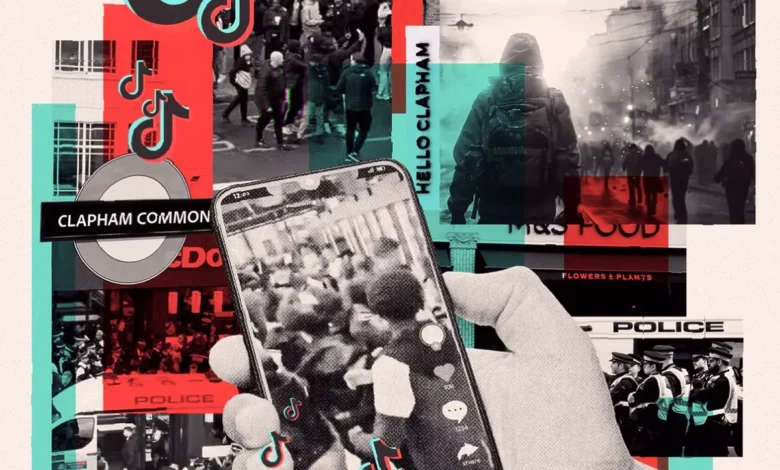
Teenage clients of a Clapham Junction talent agency are unsurprised by the recent wave of TikTok-organised gatherings that have brought hundreds of youths to the streets of south London, according to the agency’s founder, Oliver Mohedaso. He told this website that many young people view the so-called “link-ups” as spontaneous social events rather than malicious acts.
For those teenagers, the distinction between intimidating behaviour and actual crime is key. In many of the smaller gatherings, Mohedaso explained, there is “lots of screaming, lots of running and intimidating behaviour, but no actual looting or vandalising.” The events, promoted through TikTok and Snapchat, are often driven by what the Metropolitan Police has described as a “fleeting thrill of causing annoyance” or “vexing people,” rather than any specific grievance. Some participants simply film the chaos for their own social media content.
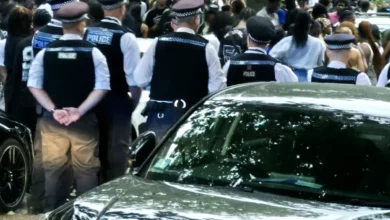
Yet the behaviour has escalated on several occasions. On 28 March, large crowds descended on Clapham High Street and Clapham Common, forcing shops to close early and leading to fireworks being set off on the common. Three teenage girls were arrested on suspicion of theft and assault. Three days later, on 31 March, a larger gathering saw approximately 100 officers deployed. Five people were assaulted, including four police officers — one of whom was taken to hospital with an arm injury. Six teenage girls aged 13 to 17 were arrested; three were held on suspicion of assaulting an emergency worker. A Section 35 dispersal order was imposed.
The most serious incident occurred on 22 May, when a 17-year-old boy was stabbed during an unauthorised gathering on Clapham Common. Nine individuals, ranging in age from 14 to 20, were arrested and face charges including affray, grievous bodily harm and possession of a knife. The Metropolitan Police confirmed the victim’s injuries were neither life-threatening nor life-changing. Officers said they were reviewing CCTV and body-worn camera footage to identify others involved, and urged anyone with information to come forward.
Mohedaso’s observation — that his teenage clients are unfazed by the events — reflects a broader pattern noted by experts and officials. “Many see them as spontaneous social events rather than anything malicious,” he said. This perspective helps explain why the gatherings, while alarming to residents and shopkeepers, rarely result in theft or vandalism on a large scale. The Research Briefing prepared for this article notes that, alongside screaming and running, participants have been seen wearing masks, using nitrous balloons and cannabis, and setting off fireworks. Targeted businesses have included McDonald’s, Marks & Spencer and Sainsbury’s, but the disorder has been more about intimidation than systematic looting.
Political leaders have responded with condemnation. Sadiq Khan, the Mayor of London, described the scenes as “appalling” and said those responsible would “face the full force of the law.” Kemi Badenoch, the Conservative Party leader, argued that a culture had been created where young people believe they can “do what they like and nothing will happen,” and warned of consequences for looting. Nigel Farage, the Reform UK leader, claimed the unrest was evidence of “societal breakdown.” The Metropolitan Police, for its part, has vowed to crack down on what it calls a growing “swarming” trend and urged social media companies to “play their part by taking responsibility for content on their platforms that promotes or incites disorder.”
Experts point to several contributing factors. Social media platforms, particularly TikTok, are widely seen as instrumental in organising and publicising these gatherings at speed and scale. Some commentators have cited a broader “corrosion of adult authority” and a decline in discipline and moral guidance. Others note the dismantling of physical youth spaces — clubs, community centres — which has pushed social congregation onto digital platforms. While the events are often dismissed as “bored teenagers with nowhere to go,” specialists caution that the issue is more complex, with technology shaping behaviour without necessarily explaining its root causes.
Police have also urged parents to “take responsibility” for their children, knowing where they are and who they are with. Warnings have been issued about the long-lasting consequences of a criminal record, including impacts on future employment and travel. The Met has said it is working to identify those who played a leading or organising role in the link-ups.