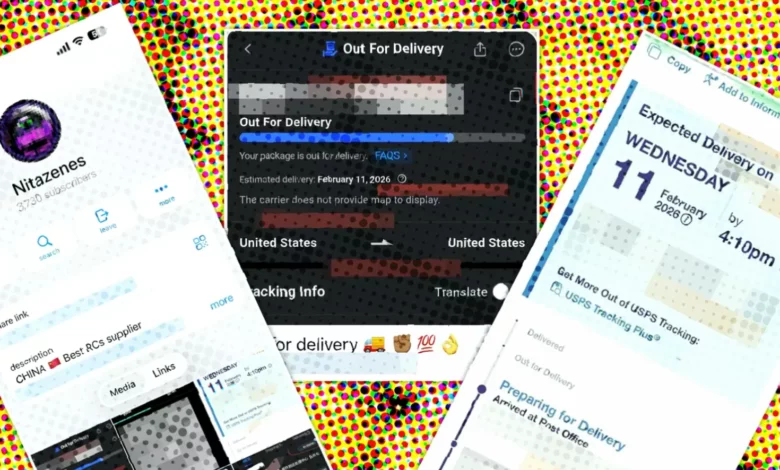
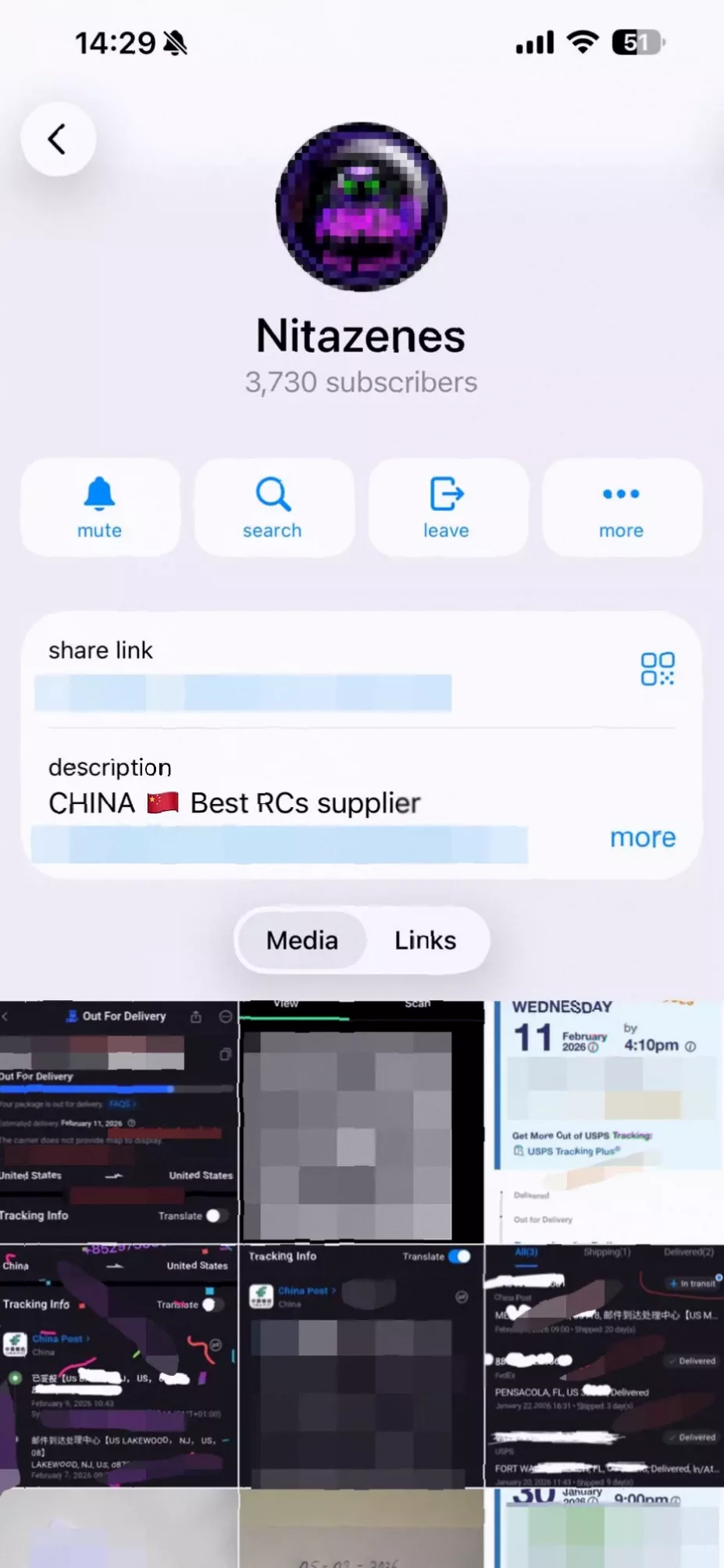
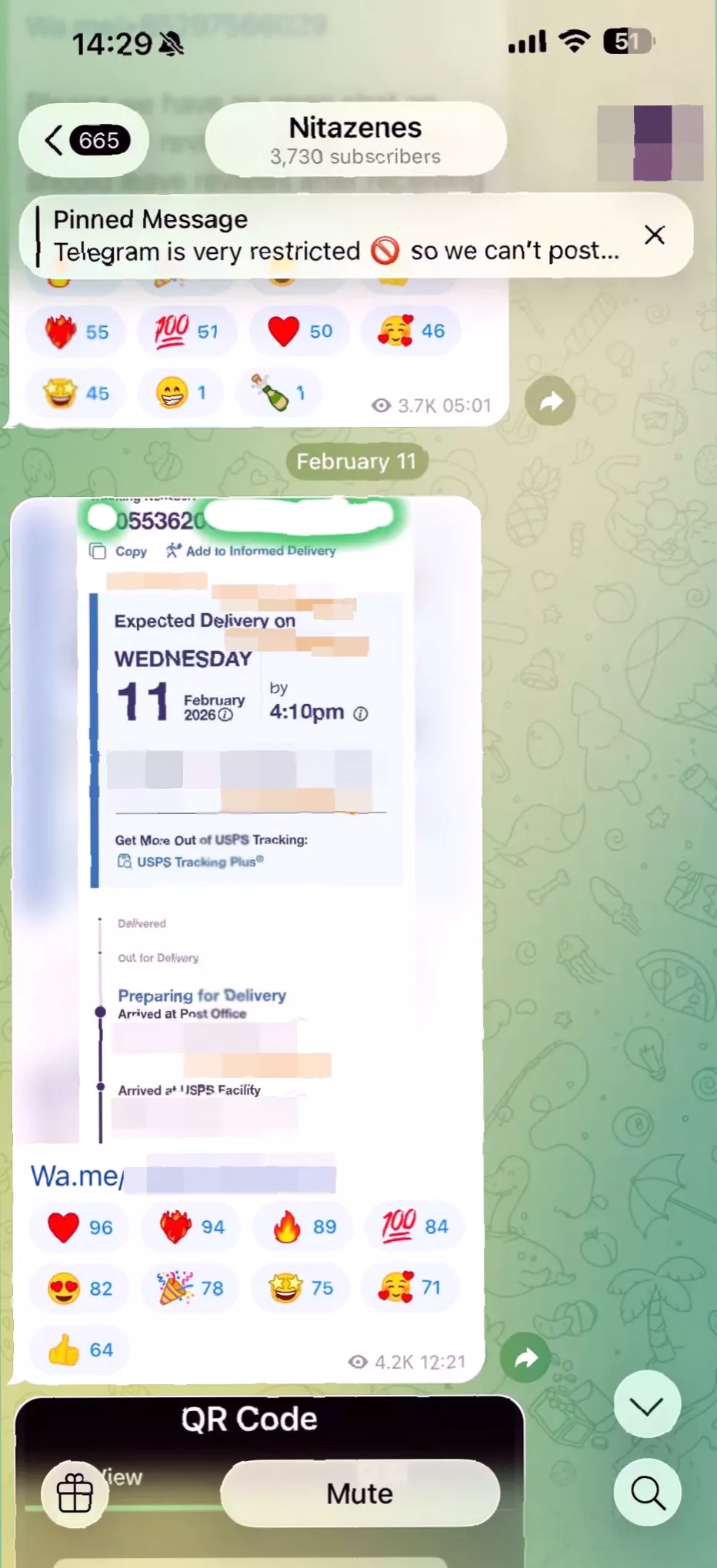
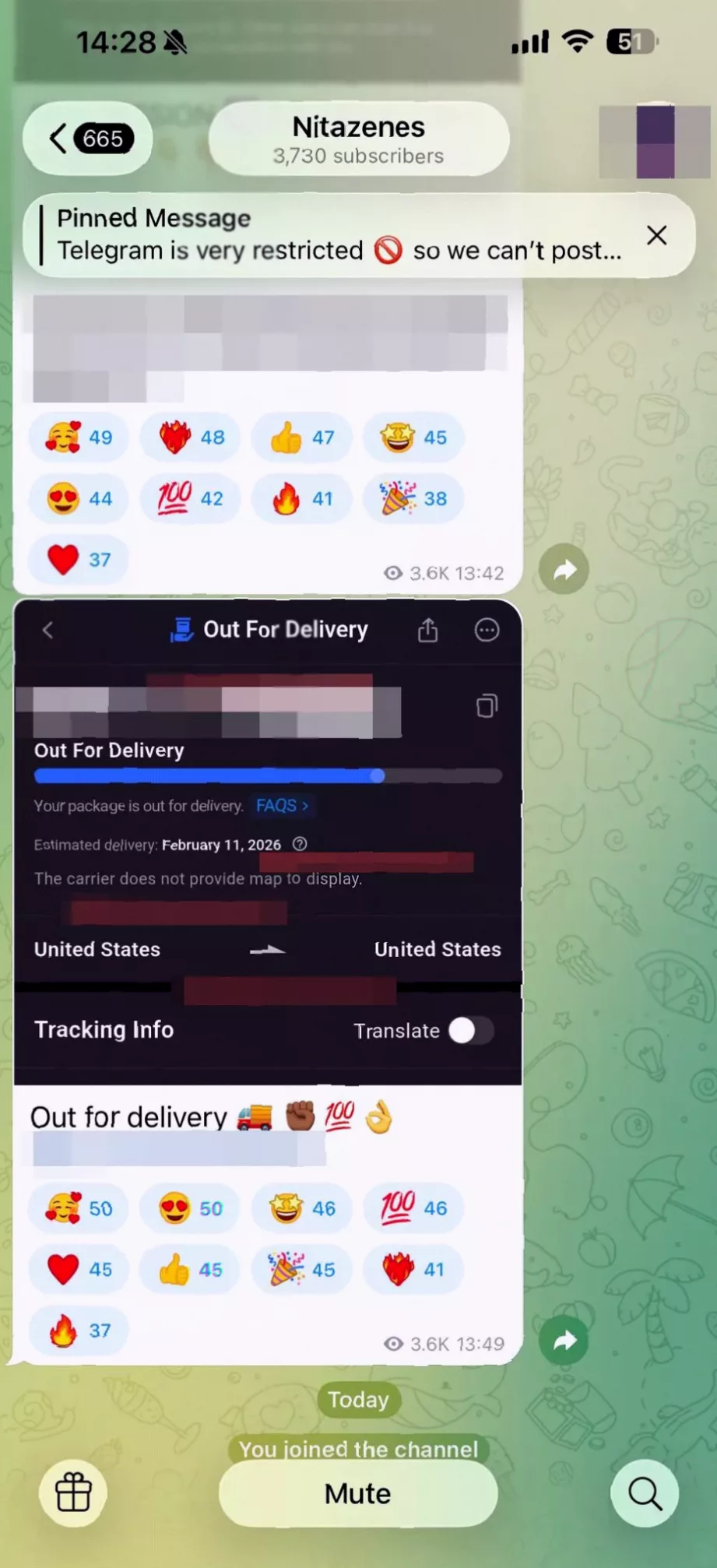
The encrypted messaging app Telegram, popular with younger users, has become a bustling marketplace for one of the most dangerous drug threats currently facing the UK: synthetic opioids known as nitazenes. An investigation has found channels with thousands of followers openly advertising the substances, with dealers posting photos of the drugs and delivery notifications, often shipping from the United States or directly from China.
A Drug of Extreme and Hidden Danger
Nitazenes represent a profound shift in the illicit drug landscape. Originally synthesised in the 1950s as potential painkillers, they were never approved for medical use due to their extreme potency and high addiction risk. They are synthetic opioids assessed by the National Crime Agency (NCA) as being broadly as potent as fentanyl, and up to 500 times stronger than heroin. A minuscule dose can suppress breathing, leading rapidly to loss of consciousness, coma, and death.
The drugs are frequently pressed into pills made to look like ecstasy or other prescription medications, or used as a cheap, potent adulterant in heroin, cocaine, or fake benzodiazepines. This poses a critical danger: users often have no idea they are consuming them. “Nobody really knows what they are taking with this stuff,” one source noted. “It’s a very disturbing situation.”
An Underreported Death Toll
The human cost is escalating sharply, but experts warn the true scale is being masked. Official data shows a dramatic rise: 195 deaths involving nitazenes were registered in England and Wales in 2024, a near fourfold increase from the 52 recorded in 2023. Between June 2023 and May 2024, 179 deaths in England were linked to the substances, with protonitazene linked to the most.
However, researchers from King’s College London believe these figures are a significant undercount. They point to a major flaw in detection: nitazenes can degrade in post-mortem blood samples, meaning they are likely being missed by routine toxicology tests. Modelling based on data from Birmingham in 2023 suggested a 33% excess in drug deaths that could be attributable to undetected nitazenes.
Dr Caroline Copeland, senior lecturer in pharmacology & toxicology at King’s College London, stated: ‘If nitazenes are degrading in post-mortem blood samples, then we are almost certainly undercounting the true number of deaths that they are causing. When we don’t measure a problem properly, we don’t design the right interventions – and the inevitable consequence is that preventable deaths will continue.’
Global Supply and Local Criminal Enterprise
The supply chain is international and agile. The chemicals are primarily produced by companies in China and India and exported worldwide via postal and parcel services. On Telegram, dealers in chats with names like ‘Main supply’ or ‘Synthesize chemical’ advertise worldwide shipping with tracking.
Once in the UK, criminal networks integrate nitazenes into the existing drug trade. “County lines” gangs are largely responsible for fortifying low-purity heroin with the synthetic opioids to increase potency. There is limited evidence of an active user market specifically seeking out nitazenes; their danger lies in their role as a hidden adulterant. While large-scale production labs have been found in Europe, UK law enforcement has also made significant seizures, including 150,000 nitazene-laced tablets destined for the dark web from a clandestine laboratory in November 2023.
Government Action and Harm Reduction
In response to the escalating threat, the government classified 14 specific nitazenes as Class A drugs in March 2024, introducing a generic definition to capture new variations. Supply now carries a potential life sentence. The Home Office, Department of Health and Social Care, NCA, and Border Force are collaborating in a multi-agency effort, engaging in international cooperation with countries like China and the US to disrupt trade.
Alongside enforcement, harm reduction is critical. While potent, nitazene overdoses are generally reversible with naloxone, though larger or repeated doses may be required. Efforts are underway to widen access to take-home naloxone kits. Experts are also calling for more widespread drug checking services and enhanced early-warning systems, including wastewater analysis, to detect emerging trends.
Frontline services advise users to avoid using drugs alone, stagger doses, and use less when mixing substances, while local treatment services can provide alternatives like methadone to reduce overdose risk.
Telegram’s Stance on a “Forbidden” Trade
Confronted with evidence of the trade on its platform, a spokesperson for Telegram stated that the sale of drugs is explicitly forbidden by its terms of service and such content is removed whenever discovered. The company said moderators use custom AI tools to proactively monitor public parts of the platform and that it operates a unique system allowing users to report specific terms used to find harmful content, which are then investigated and blocked in Telegram’s search feature.
Despite these measures, the open advertisement of nitazenes in channels with thousands of followers indicates the scale of the challenge in policing encrypted platforms, as the UK’s record-level drug deaths—which saw an 11% increase to 5,448 in the year to 2023—continue to be driven by potent synthetic opioids.