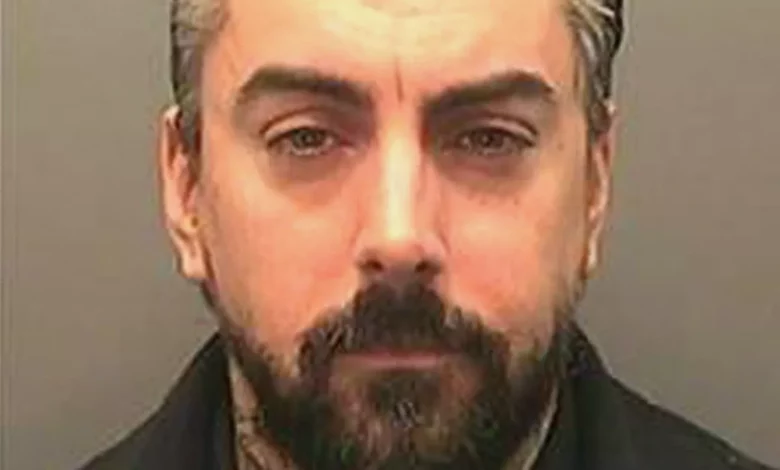
Two men will face trial for the murder of former Lostprophets frontman Ian Watkins. Rashid Gedel, 25, and Samuel Dodsworth, 43, are charged with killing the 48-year-old at HMP Wakefield on 11 October 2025. The trial is scheduled to open at Leeds Crown Court on Tuesday.
Trial details and pleas
Both defendants have entered not-guilty pleas to murder and to a further charge of possessing a makeshift knife. Samuel Dodsworth entered his plea at Leeds Crown Court on 12 November 2025; Rashid Gedel entered his plea on 13 February 2026, after he refused to appear via video link in earlier hearings and insisted on appearing in person. The trial is expected to last up to four weeks. A case management hearing is set for 2 February 2026.
Watkins died from a stab wound to the neck. A post-mortem examination recorded that death was caused by blood loss after his jugular vein was slashed. The attack took place at HMP Wakefield, a high-security prison sometimes referred to as “Monster Mansion”. In a recent report, the prisons inspectorate raised concerns about increased violence and a lack of safety within the facility.
The charges against Watkins
Ian Watkins was serving a 29-year sentence, with an additional six years on licence, for a string of child sex offences. He was jailed in December 2013 after pleading guilty to 13 charges, including the attempted rape of a child under 13, three counts of sexual assault involving children, and possession of indecent images of children. He also admitted possessing extreme pornographic images involving a sex act on an animal.
The court heard that Watkins, the frontman of the rock band Lostprophets, had manipulated fans into abusing their own children for his gratification. Among his victims was a fan’s baby, whom he attempted to rape. Two women — the mothers of children he abused — were sentenced to 14 and 17 years in prison respectively for their roles.
During sentencing, the judge described Watkins as a “deeply corrupting influence”, “highly manipulative”, a “sexual predator”, and “dangerous”. An appeal he lodged against the length of his sentence in 2014 was refused.
Watkins’ crimes came to light after his arrest on 21 September 2012, when police executed a drugs warrant at his home in Pontypridd. Officers seized a large number of computers, mobile phones and storage devices, and forensic analysis of the equipment uncovered his depraved behaviour. South Wales Police later faced criticism for allegedly missing opportunities to act on reports of Watkins’ behaviour between 2008 and 2012.
Further background and prison incidents
While in custody, Watkins was taken to hospital after being attacked in 2023. In August of that year, he was taken hostage and stabbed by three inmates at HMP Wakefield; his injuries were not life-threatening. In 2019, he was jailed for an additional 10 months after being found guilty of possessing a mobile phone in prison. He claimed other inmates had forced him to hide the phone in order to exploit fan mail.
The band Lostprophets disbanded in 2013 following Watkins’ arrest and conviction. His former bandmates expressed being “heartbroken, angry, and disgusted” by his crimes.
Watkins’ death was the first of two alleged murders at HMP Wakefield within a month. On 5 November 2025, Kyle Bevan, a prisoner serving a life sentence for murder, was found dead in his cell. Three men have been charged with his murder.