A murder investigation was launched in Forest Gate this week after a 74-year-old woman was found dead in her home, with her 44-year-old son subsequently charged in connection with her death.
Metropolitan Police officers were called to an address on St George’s Square, E7, at approximately 12:36pm on Tuesday, February 17, 2026. The body of Angela Lalo Clayton was discovered inside. Officers attempted to provide first aid at the scene but were unsuccessful, and she was declared dead shortly afterwards. A crime scene remained in place as enquiries began.
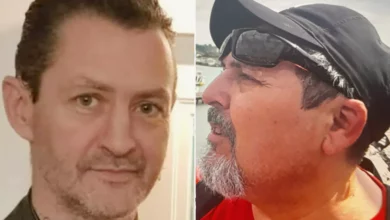
The force stated that a 44-year-old man was arrested at the scene on suspicion of murder. The following day, February 18, Richard Clayton, the son of the victim, was charged with her murder. He appeared at Barkingside Magistrates’ Court on February 19 and was remanded into custody. His next appearance is scheduled for February 23 at the Old Bailey.
The police have described the incident as isolated and confirmed that the victim’s next of kin are being supported by specialist officers. Anyone with information is asked to call 101, quoting reference CAD 3397/17Feb, or to contact Crimestoppers anonymously.
Inquest Opened and Cause of Death
An inquest into Angela Lalo Clayton’s death was formally opened on Friday, February 27. Presiding over the hearing, Senior Coroner for East London Graeme Irvine stated that a post-mortem investigation had given the cause of death as manual compression of the neck. The inquest was adjourned to allow the police investigation and potential prosecution to take primacy.
The cause of death, manual strangulation or throttling, involves compression of the neck by hands, fingers, or other extremities. Such compression can obstruct the airway, interfere with blood flow, or both, potentially damaging the larynx and fracturing neck bones like the hyoid. Forensic studies indicate the most likely causes of death in such cases are anoxia from blocked arteries, congestion from blocked veins, or tracheal occlusion. This form of violence is often associated with domestic homicides, with women being the most common victims.
Background of the Presiding Coroner
Senior Coroner Graeme Irvine has presided over a number of notable inquests in East London. His previous cases have included investigations into alleged gross failings in hospital care and significant delays in post-mortem results. In one instance, he criticised GPs for a lack of understanding of the medical examiner process, which led to unnecessary referrals and potential distress for families. He has also previously expressed concern over systemic issues and emphasised the need for personal responsibility in safeguarding cases.