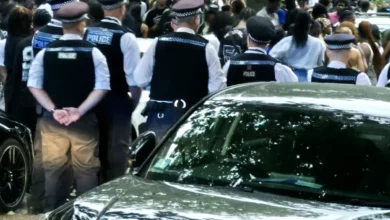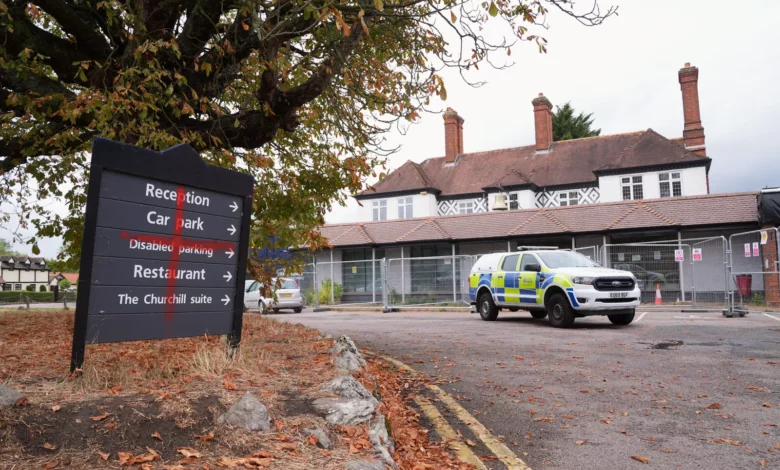
Two men have been found guilty of being part of a “violent mob” that attacked police and caused chaos during a protest outside an asylum seeker hotel in Epping, Essex.
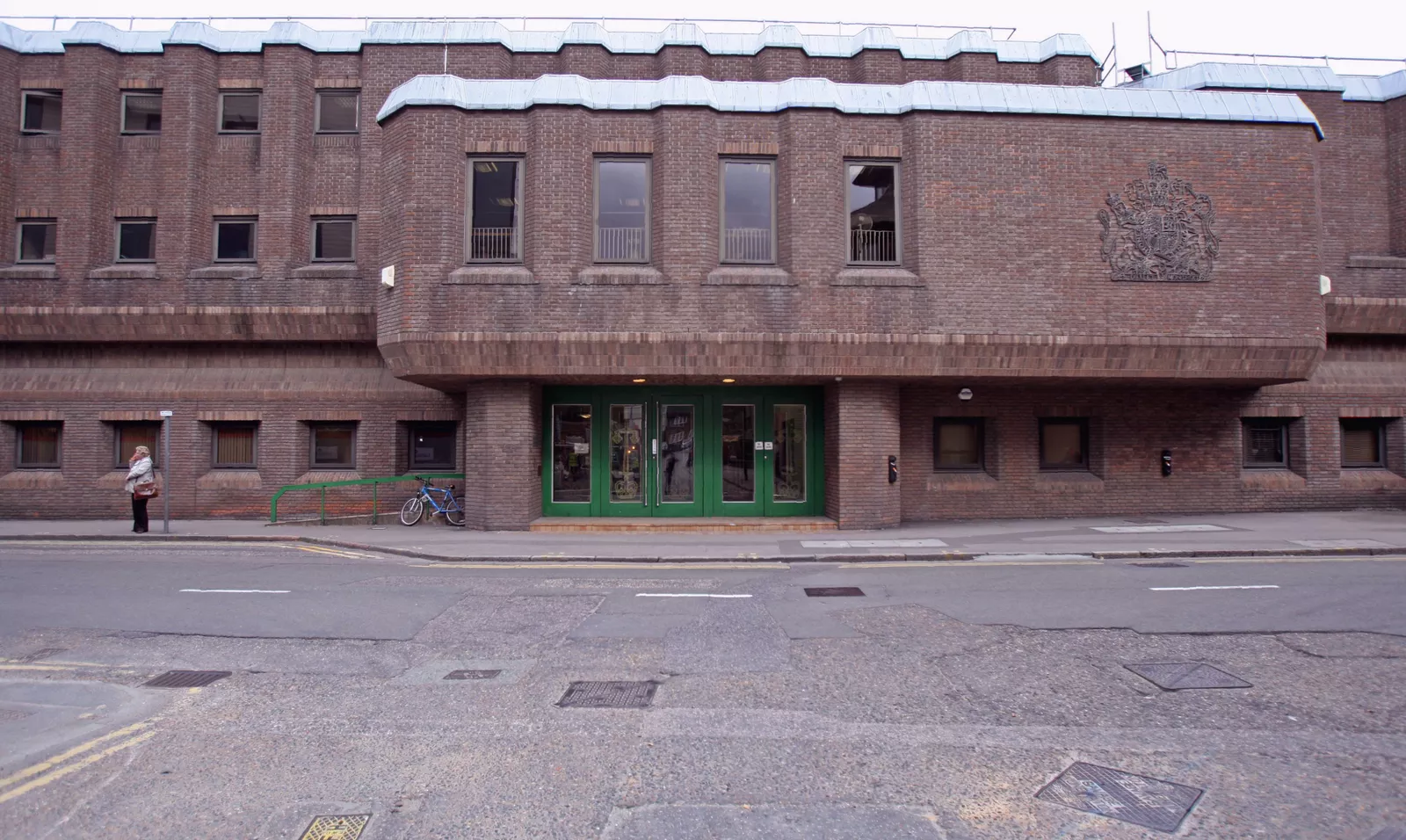
Lee Gower, 43, from Epping, and Phillip Curson, 53, from Upminster in east London, were convicted of violent disorder by a jury at Chelmsford Crown Court on Friday. Gower was cleared of a separate charge of assaulting a police officer. A date for their sentencing has not yet been set.
The Spark and the Powder Keg
The disorder on July 17 last year was the culmination of tensions that had been building for weeks. Multiple protests were held outside the Bell Hotel after an asylum seeker housed there, Hadush Gerberslasie Kebatu, was charged with sexual assault and related offences against a 14-year-old girl. The Ethiopian national had arrived in the UK on a small boat just days before the alleged incidents.
Kebatu was later found guilty of five offences at Chelmsford Magistrates’ Court and sentenced to 12 months in prison, as well as being ordered to sign the sex offenders’ register for 10 years. His case was further mired in controversy when he was wrongfully released from HMP Chelmsford last October, before being detained and deported to Ethiopia later that month.
From Peaceful Protest to Violent Disorder
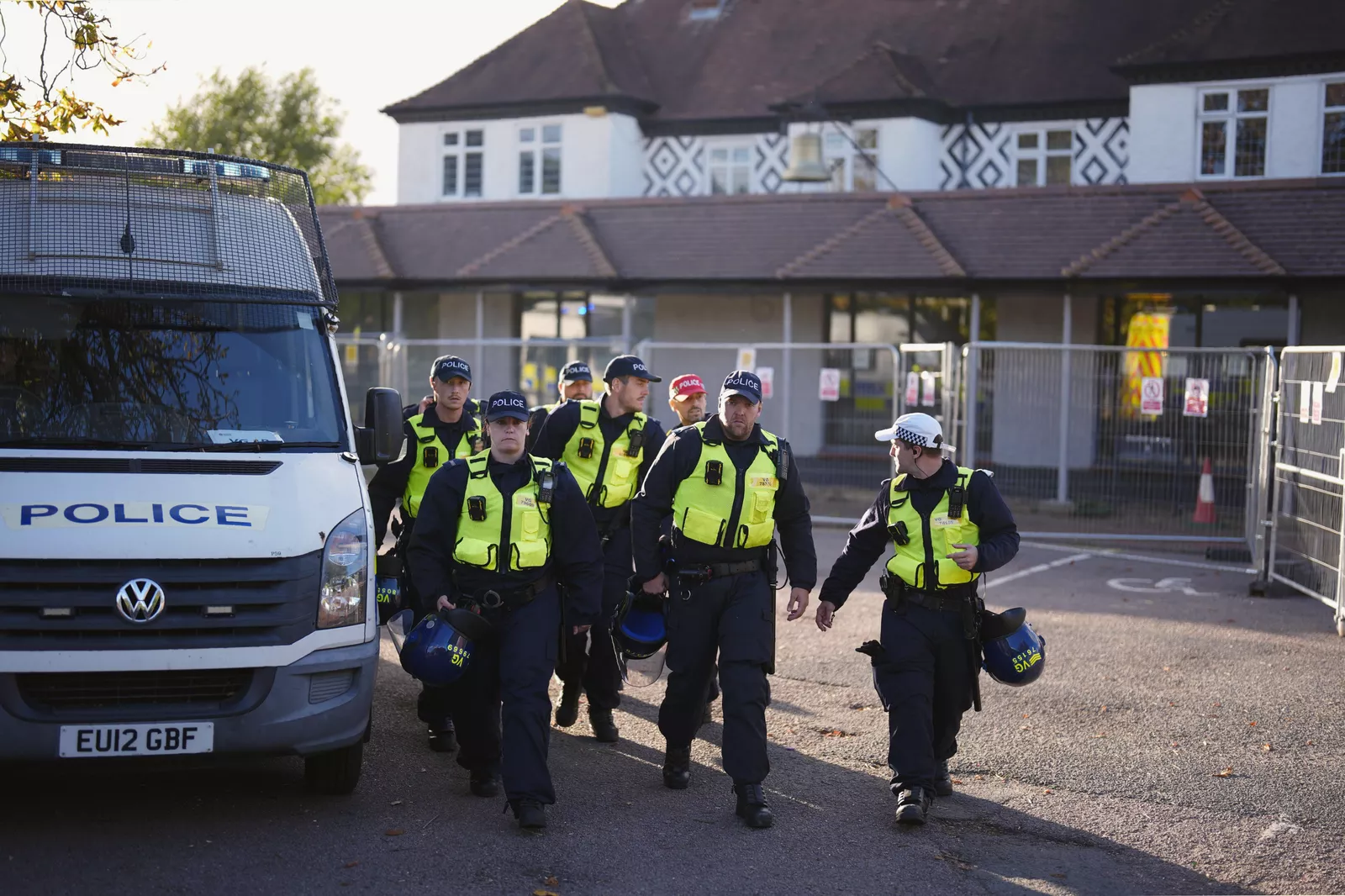
On the day in question, what began as a peaceful demonstration involving 400 to 500 people descended into what prosecutors described as a “scene of disorder and chaos.” The catalyst for the violence, the court heard, was the arrival of approximately 50 counter-protesters at Epping station, who were escorted by police towards the hotel.
Protesters outside the Bell Hotel ran up the road to confront them. Essex Police officers, led by Chief Inspector Stuart Austin, implemented a cordon to keep the groups apart, but the situation rapidly deteriorated.
The prosecution told the court that Gower, Curson and others became part of an “aggressive mob” that resorted to “repeated acts of violence and vandalism.” Officers faced punching, kicking, and having objects such as bottles, milk and flour thrown at them. Police vehicles were targeted, with windscreens hit and wing mirrors torn off. Eight officers were injured in total.
During the trial, the defence arguments offered a different perspective. Tony Wyatt, defending Gower, said his client was a “pillar of the community” and the local football team manager who had attended about a “very specific and very valid issue.” He claimed Gower used reasonable force in self-defence after asking an officer “why are you pushing me?” and had kicked out at a police van as a “natural human response” when it nearly hit him.
Stefan Bisson, for Curson, argued that police were “pushing back those local protesters” and that his client had pushed an officer “in the heat of everything” while acting in self-defence or defence of others.
Broader Context and Community Fallout
The protests drew in far-right activists, with groups like the neo-Nazi Homeland Party and Britain First involved in online organisation, and figures such as Tommy Robinson stating they would attend. This heightened tensions and contributed to the volatile atmosphere.
Locally, Epping Forest District Council had unanimously voted to urge the government to close the hotel, citing concerns about its suitability and public safety risks. The council later obtained an interim injunction requiring the asylum seekers to be relocated, arguing the hotel’s use breached planning rules. The government announced its intention to appeal that ruling.
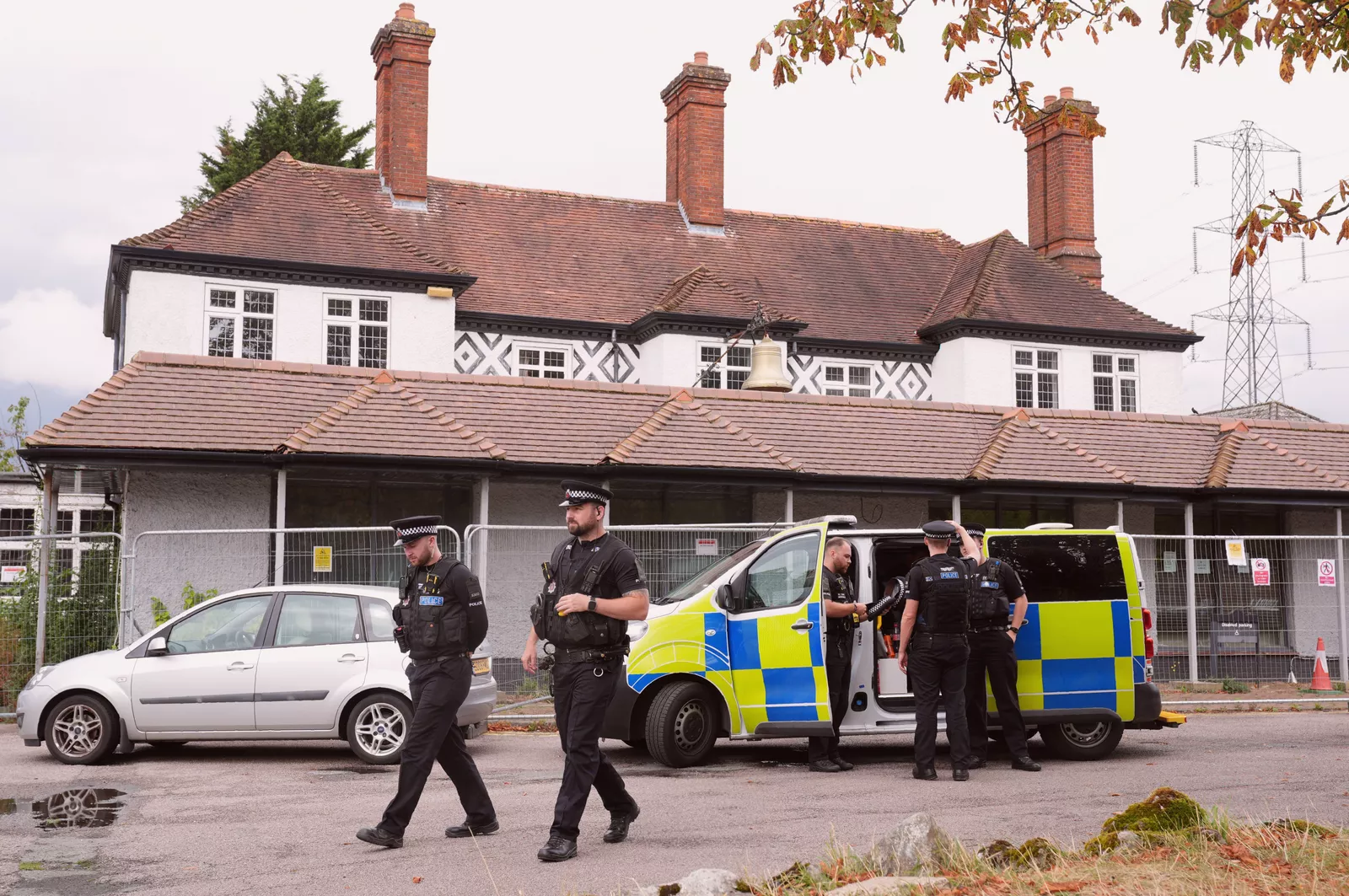
Essex Police also faced specific allegations during the episode, namely that they had “bussed in” anti-racism demonstrators. The force has “categorically” denied this, stating they escorted the counter-protesters for their own safety and that some individuals were placed in vans for protection. A dispersal order was issued in Epping to give officers additional powers to tackle the antisocial behaviour.
Gower and Curson are not the first to be sentenced for the violence. Prior to their conviction, six people had already pleaded guilty to violent disorder relating to the July 17 protest. Three men—Stuart Williams, Dean Smith, and Martin Peagram—were the first to be jailed, receiving a combined sentence of six years. Others, including Aaron Elles, Luke Fleming, Shaun Thompson, Jonathan Glover, Keith Silk, Charlie Land, and Dean Walters, have also faced charges or been sentenced for their roles.
The case has since sparked broader discussions, with some commentators noting that protesters have received longer sentences for violent disorder than Kebatu did for sexual assault, leading to debates about sentencing proportionality.