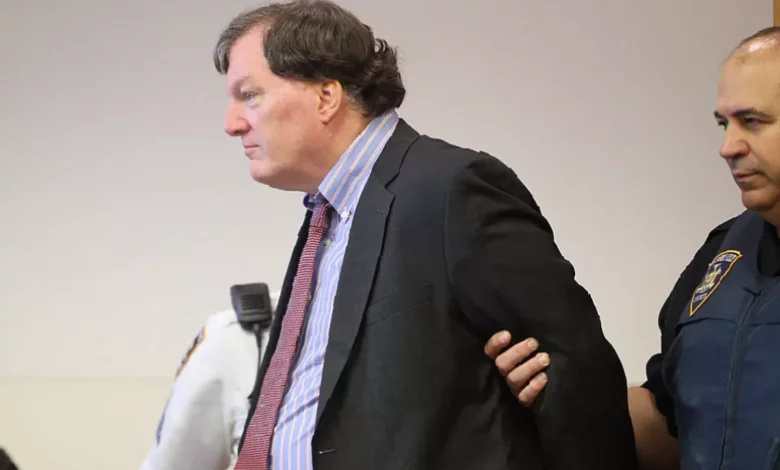
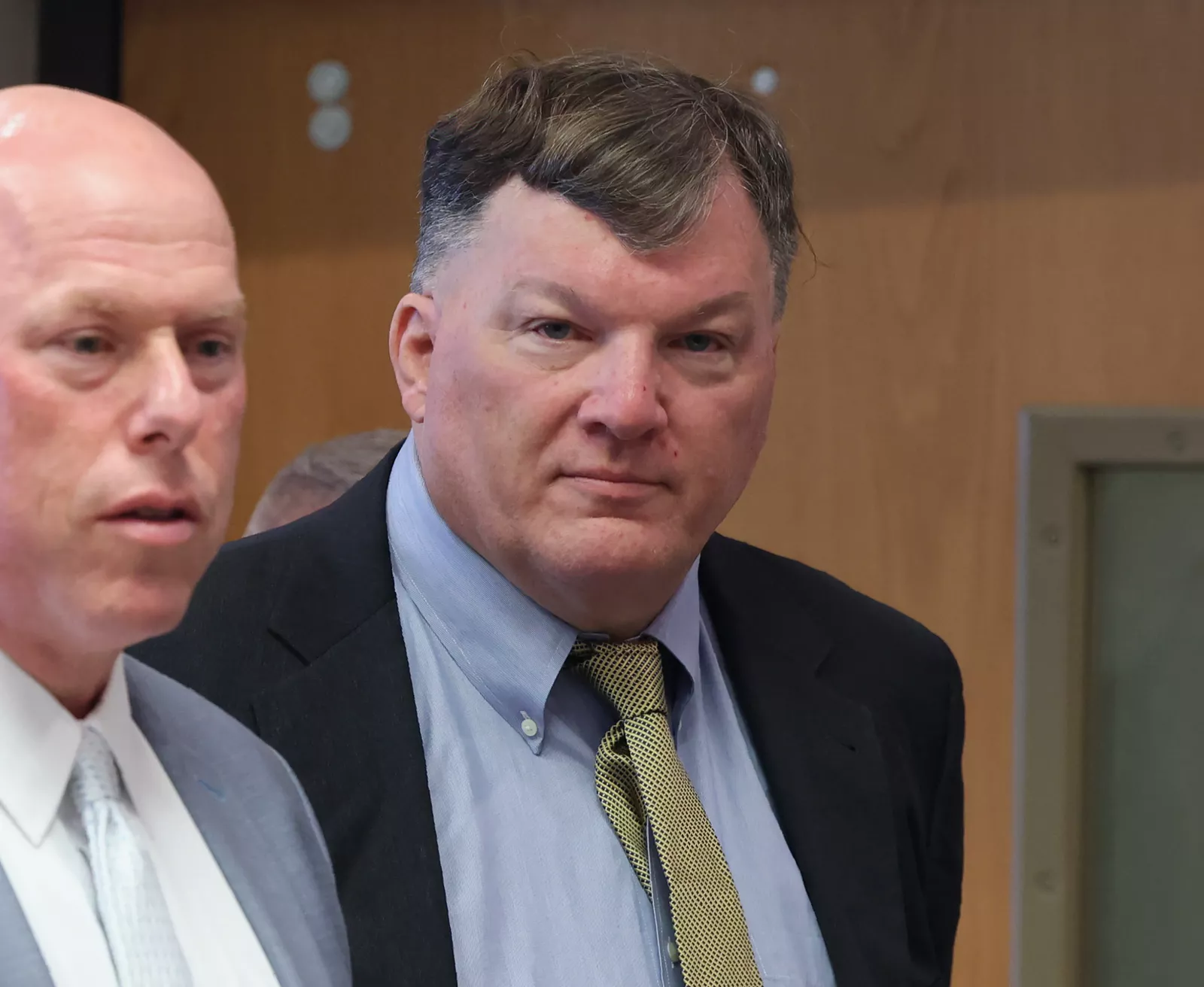
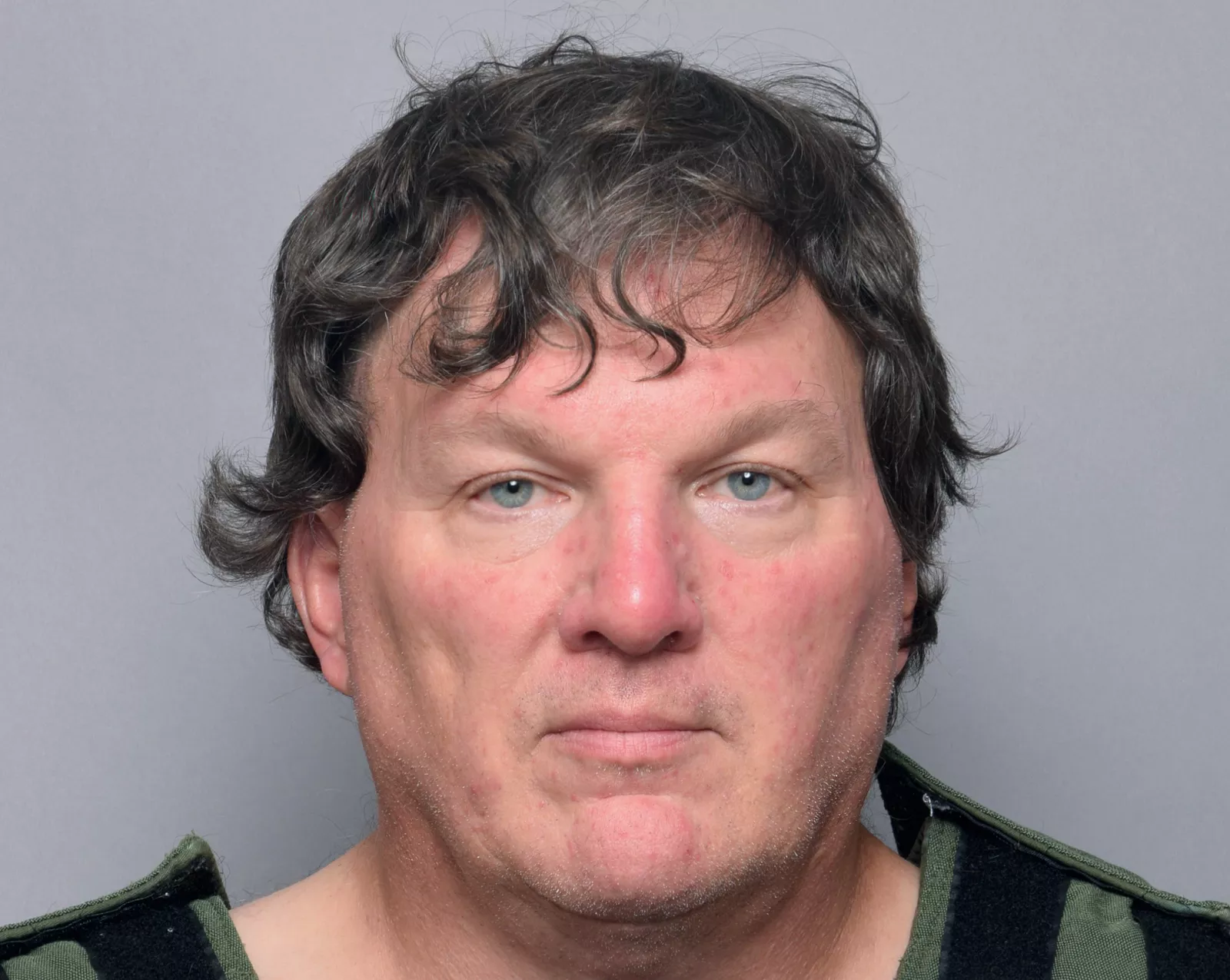
Rex Heuermann, the Long Island architect at the centre of the infamous Gilgo Beach murders, stood in a Suffolk County courtroom and admitted he was a serial killer. In a dramatic reversal of his earlier pleas, the 62-year-old confessed on April 8, 2026, to strangling seven women to death, and also acknowledged an eighth murder.
Heuermann pleaded guilty to three counts of first-degree murder and four of intentional murder for the deaths of Melissa Barthelemy, Maureen Brainard-Barnes, Amber Lynn Costello, Megan Waterman, Sandra Costilla, Jessica Taylor, and Valerie Mack. In a separate admission, he confessed to killing Karen Vergata, a Manhattan mother-of-two, though he was not formally charged in her case. He is due to be sentenced to life in prison without parole on June 17, 2026.
The decades-long path to a suspect
The grim puzzle that led to Heuermann began to take shape publicly in 2010, though the earliest killing he has been linked to dates back to 1993. That November, the body of Sandra Costilla was found in the Hamptons. Other women vanished in the following years, but the case exploded into national consciousness during the search for Shannan Gilbert.
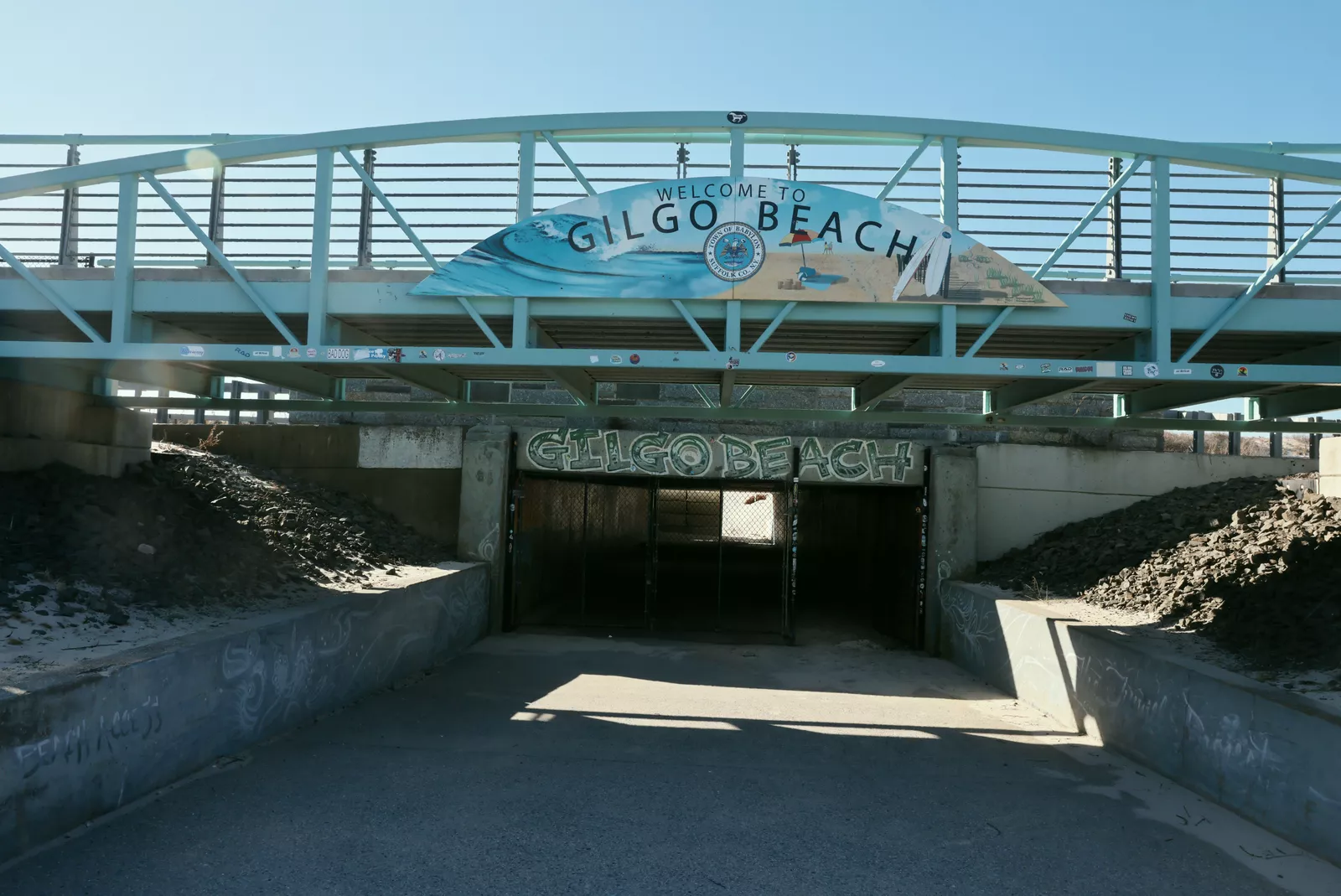
Gilbert, a 23-year-old working as an escort, disappeared on May 1, 2010, after making a frantic 21-minute 911 call in which she pleaded, “There’s somebody after me.” Police searching near Gilgo Beach for Gilbert in December 2010 did not find her, but instead discovered the remains of four women along Ocean Parkway. They became known as the “Gilgo Four”: Melissa Barthelemy, Maureen Brainard-Barnes, Amber Lynn Costello, and Megan Waterman, all in their 20s and involved in sex work.
More remains were found in the area over the following months, bringing the total discovered to ten. Gilbert’s own body was found in marshland in December 2011, though authorities have consistently maintained her death was accidental and not linked to Heuermann, a conclusion her family disputes.
For over a decade, the investigation drifted, hampered by internal controversy. Former Suffolk County Police Chief James Burke, who supervised the probe between 2012 and 2015, was accused of hindering cooperation with federal authorities. Burke later resigned and served prison time on unrelated obstruction of justice charges. His attorney has stated Burke is willing to cooperate with the district attorney’s office regarding Heuermann.
The breakthrough: a pizza crust, a hair, and an “ogre”
The logjam broke in 2022 when a new task force was formed under fresh leadership. Investigators re-examined old evidence, focusing on two key leads: a witness description and a vehicle.
When Amber Lynn Costello disappeared on September 2, 2010, a witness described the man she left with to meet a client as “ogre-like” and placed him in a first-generation Chevrolet Avalanche. Meanwhile, burner phones used to contact victims had been traced to areas near Massapequa Park and Midtown Manhattan.
These threads converged on Rex Heuermann, a married father-of-two and lifelong Massapequa Park resident who commuted to his Manhattan architectural firm, RH Consultants & Associates. A New York state investigator identified him in a database on March 14, 2022, according to Suffolk County District Attorney Ray Tierney.
The definitive link came from a slice of pizza. In January 2023, a surveillance team watched Heuermann discard a pizza box outside his Fifth Avenue office. DNA recovered from the crust was a match. It was identical to mitochondrial DNA found in a hair recovered from the burlap used to wrap Megan Waterman’s body. Hairs from other victims were also later linked to Heuermann or his family members.
His arrest on July 13, 2023, opened the floodgates. Prosecutors said cellphone data and burner phone activity placed him in contact with victims. A search of his internet history revealed accounts linked to him had been used “to access and/or conduct searches related to pornography, rape, torture, and sex workers several thousand times,” along with keen interest in the Gilgo Beach case itself.
Most chillingly, a hard drive from the basement of his home contained what prosecutors termed a “blueprint for murder.” The 54-page document, reportedly created in the year 2000, outlined in excruciating detail his methods for selecting victims, disposing of bodies, and evading capture. District Attorney Tierney stated investigators believed it was “this planning document that was used by Heuermann to plot out his kills.”
Charges expanded as evidence mounted. In June 2024, he was charged with the murders of Sandra Costilla and Jessica Taylor. In December 2024, he was charged with killing Valerie Mack, whose partial remains were found in Manorville in 2000 and near Gilgo Beach over a decade later. Karen Vergata’s remains had been found west of Gilgo Beach and on Fire Island years apart.
A hidden life and a reckoning for families
To neighbours in Massapequa Park, Heuermann was a quiet, unremarkable man whose home was often dark and described by one as “dilapidated.” In professional settings, some colleagues saw a different person—intense, arrogant, with a “swagger” that suggested he believed others were “lucky to have him.”
His guilty plea, which his attorney Michael J. Brown said was partly to spare victims’ families and his own family a trial, finally provided a measure of closure for those who had waited years, and in some cases decades, for answers. The son of victim Valerie Mack has filed a wrongful death lawsuit against Heuermann, his ex-wife Asa Ellerup—who filed for divorce after his arrest—and his daughter, alleging they profited from a documentary and showed disregard for the victims.
In court, District Attorney Tierney underscored the fundamental principle that had driven the long investigation: “The lives of these women matter. No one understands that more than the families.” Attorney John Ray, who represents some of the families, called Heuermann a “stalker.” For the families of the seven women he murdered and the eighth he admitted killing, the architect’s detailed confession finally ended the horrible limbo that began on lonely stretches of Long Island shoreline.