Four months after Australia implemented a ban on under-16s holding social media accounts, the majority of teenagers it was designed to protect remain active on the platforms, according to the nation’s online safety regulator. The eSafety commissioner, Julie Inman Grant, revealed that despite over five million accounts being deactivated, more than two-thirds of teenagers were still present on the ten major platforms covered by the law.
The policy, an amendment to the Online Safety Act which took effect in December, was introduced with the stated purpose of shielding children from online harms like cyberbullying, inappropriate content, and negative mental health impacts. Yet early indicators show no clear decline in complaints related to such harms, and the technical enforcement of the ban appears porous. eSafety found children close to the age limit were easily bypassing facial age estimation technology, and that half of the platforms initially included were under assessment for potential non-compliance.
Legal Challenge Centres on Constitutional Rights
The ban’s effectiveness—or lack thereof—is now central to a constitutional challenge set for Australia’s High Court later this year. The case is being brought by two 15-year-olds, Noah Jones and Macy Neyland, supported by the Digital Freedom Project, an initiative led by NSW Libertarian MP John Ruddick.
Their argument contends that the law infringes upon an implied constitutional right to freedom of political communication. The Digital Freedom Project asserts that social media is the modern “town square” for political discourse, and that barring young people from these platforms silences their voices in debates on government and political matters. They argue that simply viewing content while logged out, which remains possible on some platforms, is not a meaningful substitute for participation.
The federal government, in its defence filed in the High Court, admits the age restriction does impose a burden on that implied freedom. However, it argues this is justified by the legitimate purpose of reducing harm to users from platform features like recommender systems, endless feeds, and feedback mechanisms. The state governments of New South Wales and South Australia have also announced they will intervene to defend the law.
Legal experts are divided on the challenge’s strength. Professor Sarah Joseph of Griffith University’s law school suggests that if the law is ineffective, it may fail the test of being a proportionate means to achieve its purpose, potentially rendering it unconstitutional. “An ineffective law cannot go very far in achieving its purposes,” she said, also noting that previous parliamentary inquiries had favoured a digital duty of care over an outright ban.
Conversely, Professor Luke Beck of Monash University believes the challenge is “pretty weak,” arguing the law’s primary purpose is to force social media companies to take reasonable steps to prevent underage accounts, not to achieve a perfect ban. “The High Court does not require legislation to be 100% effective in practice,” he stated, drawing parallels to laws against murder or the sale of adult-rated material, which are also not fully preventative.
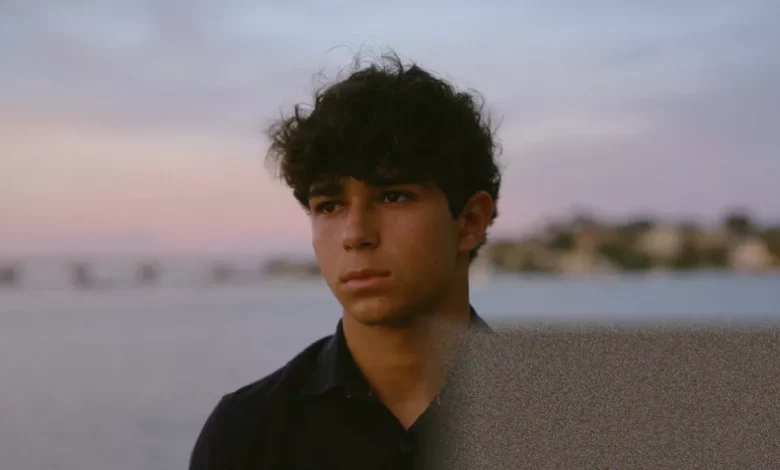
The plaintiffs’ personal experiences may feed into these arguments. Noah Jones, a 15-year-old Sydneysider due to turn 16 in August, reports his online life has been “pretty much the same” since December, experiencing only “a minor inconvenience on Instagram.” He acknowledges downsides like bullying but argues social media is where his generation gets its news and forms political views.
Parental Backlash and Platform Scrutiny
The government’s move has sparked significant opposition from some parents, who view it as an overreach. Renee Jones, Noah’s mother, is a vocal critic. “It’s my right to choose how I raise my children in a digital world,” she says, detailing her own strict household rules on device use. She has faced online backlash for her stance, including extreme comments suggesting her children be taken away.
She, along with youth advocates, argues the policy was rushed and developed with minimal consultation with young people themselves. Critics also warn it could have unintended consequences, creating a “forbidden fruit” effect that pushes teens towards less regulated platforms or more sophisticated circumvention. Concerns have been raised that vulnerable youth, including LGBTQIA+ individuals or those in isolated areas who rely on these platforms for connection and support, could be disproportionately affected.
Meanwhile, the government is ramping up pressure on the tech companies themselves. Communications Minister Anika Wells has urged the eSafety commissioner to “throw the book at” non-compliant platforms, with fines of up to $49.5 million per breach possible through the federal court. eSafety has raised “significant concerns” about five major platforms—Facebook, Instagram, Snapchat, TikTok, and YouTube—and launched investigations into their compliance. Minister Wells has accused some of doing the “absolute bare minimum.”
While companies like Meta and Snap Inc. have affirmed their commitment to the law, reports indicate flaws in the system, such as platforms allowing unlimited age verification attempts or nudging underage users to adjust their birth year rather than deactivating an account. The global spotlight is on Australia’s approach, with policymakers in the UK, Canada, and the US taking note of the bold regulatory stance.
With the High Court yet to rule on the ban’s fundamental validity, and with enforcement actions pending, Minister Wells has also committed to introducing separate legislation this year for a digital duty of care, which would require platforms to take reasonable steps to prevent harm occurring on their services.