Two individuals arrested in connection with a dangerous “school wars” social media trend encouraging violence between pupils have been released on bail, as police forces across the country continue to grapple with the fallout from the viral posts.
The Spread of a Dangerous Game
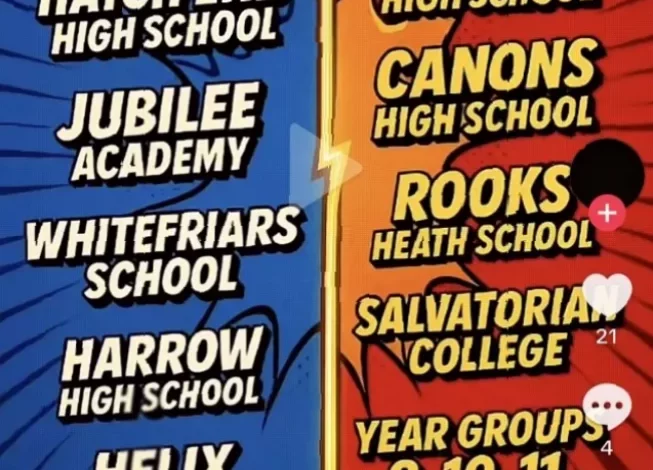
Originating in Hackney approximately three weeks ago, the “school wars” trend has rapidly spread across London and to other parts of the UK, including Bristol, Birmingham, and Northamptonshire. The phenomenon, which portrays violence as a game, involves posts on platforms like TikTok and Snapchat dividing schools into rival “Red” and “Blue” teams—a dynamic inspired by notorious street gangs—and inciting pupils to confront each other. In some areas, a “Green vs Black” variation has also been reported.
These posts, which often use graphics or AI-generated posters naming specific schools, encourage children to bring everyday items that could be used as weapons to organised locations. Instructions have urged pupils to bring compasses, combs, scissors, and rulers, with more extreme mentions of knives and fireworks. Some posts have suggested a “points” system for harming opponents or filming attacks, instructing teenagers to “jug and bang” pupils from rival teams.
Arrests and Police Response
The Metropolitan Police confirmed that on Sunday, 1 March, at approximately 18:45 hours, officers arrested two individuals in Central East London. A man in his 20s and a 15-year-old boy were held on suspicion of encouraging or assisting in a crime. Both have since been bailed. These are believed to be the first arrests connected to the trend.
In response to the threat, the Metropolitan Police have maintained a strong presence around schools, particularly at the end of the school day. Commander Neerav Patel has emphasised the serious consequences of carrying weapons and engaging in violence. Officers have implemented Section 35 dispersal orders in some boroughs, granting them powers to move on groups of youths to prevent crime or disorder. The force has also worked with social media companies to disable or remove accounts promoting threats, with over a dozen accounts reportedly taken down.
School and Parental Alarm
The trend has caused significant alarm among parents and schools. Many parents urged schools to allow children to be collected directly from the gates, while educational institutions across affected areas—including numerous London boroughs such as Islington, Camden, Newham, Croydon, and Greenwich—issued letters warning parents about the online posts. Schools have advised parents to check their children’s phones, and charities dedicated to preventing knife crime have also issued statements.
Despite the widespread online agitation and police precautions, large-scale organised violence directly linked to the trend has not been widely confirmed. However, one report from Bristol suggested a 12-year-old girl was attacked, with her family blaming the “school wars” social media posts for inflaming the situation. The trend also reached Watford, where a now-deleted video encouraged students to participate in violent clashes.
Social Media Under Scrutiny
The role of social media platforms has come under intense scrutiny. TikTok stated that it has restricted searches related to “red vs blue” and that its community guidelines prohibit threats and the glorification of violence. Snapchat, described primarily as a chat app, does not have a feed of unvetted content. Some parents reported that initial attempts to report concerning posts to TikTok were unsuccessful, with the platform stating the content did not breach guidelines, though the original posts were later removed following police alerts.
The incident has fuelled a broader national conversation about the responsibility of social media companies and their role in escalating situations among young people. It coincides with an ongoing UK consultation regarding potentially banning social media access for children under the age of 16.
Local authorities, school leaders, and parents continue to work with police, whose joint response is described as vital for protecting young people. The Metropolitan Police reiterated that this multi-agency cooperation remains central to their strategy as the situation develops.