A prescription for fewer cars: why doctors and environmental experts are calling for change
Doctors and environmental experts are increasingly united in their call for fewer cars on the road, pointing to the benefits of cleaner air, safer streets, a stable climate and reduced dependence on imported fuel. With global fuel prices volatile and most countries reliant on foreign oil, the argument for curbing car use has taken on an economic dimension as well as a health and environmental one.
The case begins with the toll that traffic takes on human health. Poor air quality from vehicle emissions is linked to respiratory illnesses such as asthma, heart disease, lung cancer, cognitive impairment and developmental problems. Government figures from 2018 estimated that at least 28,000 people die prematurely in the UK each year because of poor air quality, with the wider economic cost put at £27 billion or more. Road traffic noise adds a further social cost of between £7 billion and £10 billion annually in England alone. Car dependency also contributes to physical inactivity and obesity, while walking and public transport use are associated with healthier weight. Road crashes remain a leading cause of death globally for children over four and adults under 30; the cost of road deaths and injuries in the UK in 2023 was estimated at £42.25 billion. Exposure to air pollution hits those on low incomes hardest.
On the climate front, road transport accounts for about 24 % of total UK greenhouse gas emissions, with cars the largest contributor. Transport as a whole is the UK’s biggest source of greenhouse gases, responsible for 28 % of all emissions. In Scotland, cars alone produce around 40 % of transport emissions. The UK government has committed to reaching Net Zero emissions by 2050, with transport decarbonisation a critical component. Policies include a ban on the sale of new petrol and diesel cars by 2030, with hybrids phased out by 2035, and a backstop date of 2040 for other non‑zero‑emission vehicles. Electric vehicles are promoted as a crucial step because they produce no tailpipe emissions, but they still generate particulate matter from brake and tyre wear, and high upfront costs, inadequate charging infrastructure and consumer scepticism remain barriers to widespread adoption.
The challenge of entrenched car culture
While some cities with world‑class public transport are debating how to tackle the stubborn minority of journeys still made by car, others — particularly in the United States — have become so dependent on driving that opting out is almost impossible. In the UK, car culture is deeply ingrained, symbolising privacy, autonomy and freedom for many. Political will is often tested by vocal opposition and lobbying from industries that benefit from the status quo. Measures to restrict cars can be perceived as an attack on civil liberties or on lower‑income households, making it essential to frame policies around fairness. The automotive industry’s promotion of larger, less efficient vehicles such as SUVs adds to the problem. Rural areas present unique challenges for public transport provision, and ensuring any scheme is accessible and inclusive — particularly for disabled people who may rely on private vehicles — is vital.
Car ownership itself is expensive. For households on the lowest incomes, running a car can consume more than a fifth of weekly earnings. Car dependency also exacerbates inequality by limiting access to essential services, jobs and education for those without a vehicle. Traffic congestion wastes time: London was ranked the most congested city globally in January 2023, with drivers spending an average of 156 hours in traffic in 2022. Yet studies show that towns with lower car use tend to have higher economic vitality and retail sales; pedestrianised areas can increase retail sales by up to 30 %.
Expert‑backed methods for tackling car culture
From connecting commuter suburbs to persuading royals to use buses, a range of expert‑backed strategies is being deployed to shift the balance away from private cars. The most effective approaches work together to offer genuine alternatives and reshape the way people travel.
Expanding and improving public transport is fundamental. Making buses, trams and rail networks reliable, frequent and affordable gives people a viable reason to leave the car at home. UK cities have invested in this: Manchester has embraced bike‑sharing schemes to complement its public transport; Edinburgh runs a tram system alongside a strong walking culture and has a low rate of vehicles per household; Nottingham, Brighton and Hove have been ranked as less car‑dependent cities because of their sustainable transport investments.
Active travel infrastructure — dedicated cycle lanes, safe walking routes and pedestrian‑friendly streets — encourages people to choose these modes for shorter journeys. Bristol is recognised for its extensive cycling network, while Cambridge is known as the “City of Cyclists” for its emphasis on cycling. The so‑called “Dutch Reach” method, where drivers open their car door with the opposite hand to check for oncoming cyclists, has been included in the UK’s Highway Code as a simple safety measure.
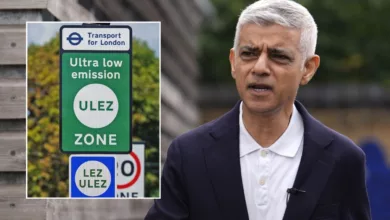
Low Traffic Neighbourhoods (LTNs) aim to reduce car use on residential streets by restricting through‑traffic, making neighbourhoods safer and more pleasant for walking and cycling. Clean Air Zones and road‑pricing schemes, such as London’s Ultra Low Emission Zone (ULEZ) and the Congestion Charge, deter the most polluting vehicles and discourage driving into city centres. London has set a target for 80 % of journeys to be made by foot, cycle or public transport by 2041, and the City of London Corporation has already achieved significant carbon emission reductions by curbing car dependency.
Urban planning based on the “15‑minute city” concept — where essential amenities are within a short walk or cycle ride — reduces the need for long car journeys. “Smart growth” planning concentrates high‑density, mixed‑use development in existing urban areas around public transport hubs, with good walking and cycling infrastructure. This approach can significantly cut car mileage, especially when combined with improved links to commuter suburbs.
Behavioural change initiatives include car‑scrappage schemes that offer credits or rebates for retiring old vehicles, and car clubs that provide access to a car when needed without the burden of ownership. Understanding why people drive — particularly in rural areas or for those with specific needs — is essential before implementing any policy. The Scottish Government has committed to reducing car kilometres by 20 % by 2030, while the UK’s Zero Emission Vehicle (ZEV) mandate requires car manufacturers to meet increasing proportions of zero‑emission vehicle sales.
Ultimately, tackling car culture requires a multifaceted approach that addresses deep‑seated habits, provides real alternatives, and ensures that the benefits of cleaner, safer streets are shared by all — including those who currently have no choice but to drive.