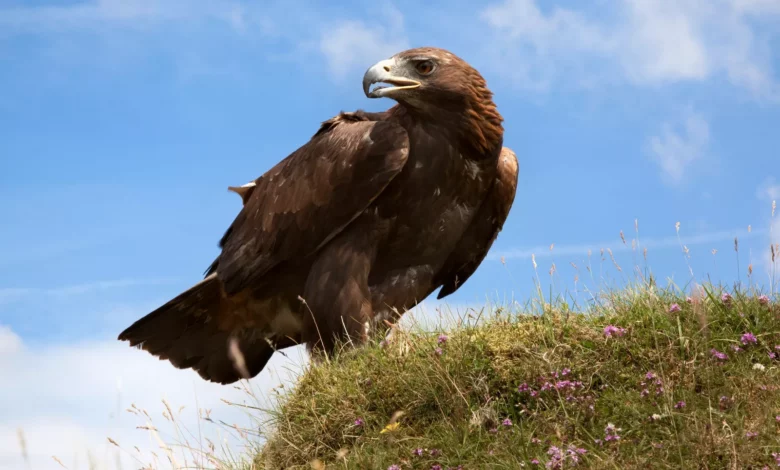
A million pounds of government funding has been committed to explore the return of one of Britain’s most iconic birds of prey, the golden eagle, to English skies. Environment Secretary Emma Reynolds approved the sum to pave the way for a potential recovery programme, which could see the first juvenile birds released as early as next year.
The move follows a pivotal study by Forestry England, published last week, which concluded that the English landscape now has the capacity to sustain golden eagle populations once more. The research identified eight specific “recovery zones”, predominantly in the north of the country, including the Cheviots, the North Pennines, the Lake District, and the Yorkshire Dales. According to Forestry England’s analysis, golden eagles from existing populations in Scotland could be seen exploring these northern English areas within a decade, though establishing a breeding population is expected to take longer.
A Victorian Extinction, Compounded by Chemical Poison
The drive for reintroduction seeks to reverse a stark historical decline. Once widespread across England and celebrated in British culture—mentioned over forty times in the works of Shakespeare—the golden eagle was systematically eradicated during the Victorian era. The primary cause was intense persecution by sheep farmers and gamekeepers, who viewed the apex predator as a direct threat to lambs and game birds such as grouse.
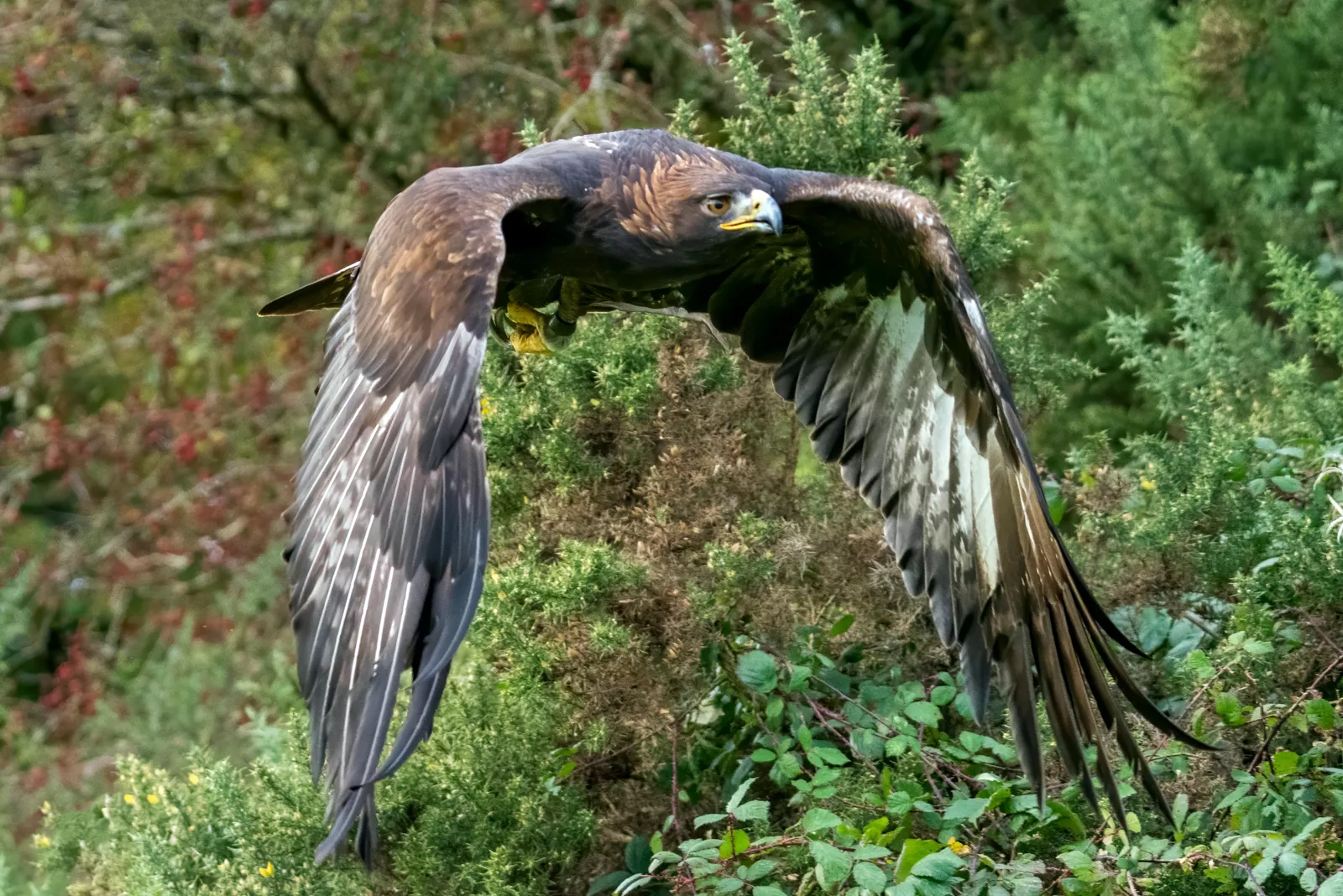
This persecution was devastating, but the species’ fate was sealed by a more insidious 20th-century threat: agricultural pesticides. Chemicals like DDT and dieldrin, which accumulated in the birds’ prey, caused catastrophic eggshell thinning and severely impacted fertility, delivering a final blow to the struggling population. The cumulative effect was near-total extinction in England. Only a handful of pairs have been sighted over the past 150 years, with the last known individual dying in the Lake District in 2016.
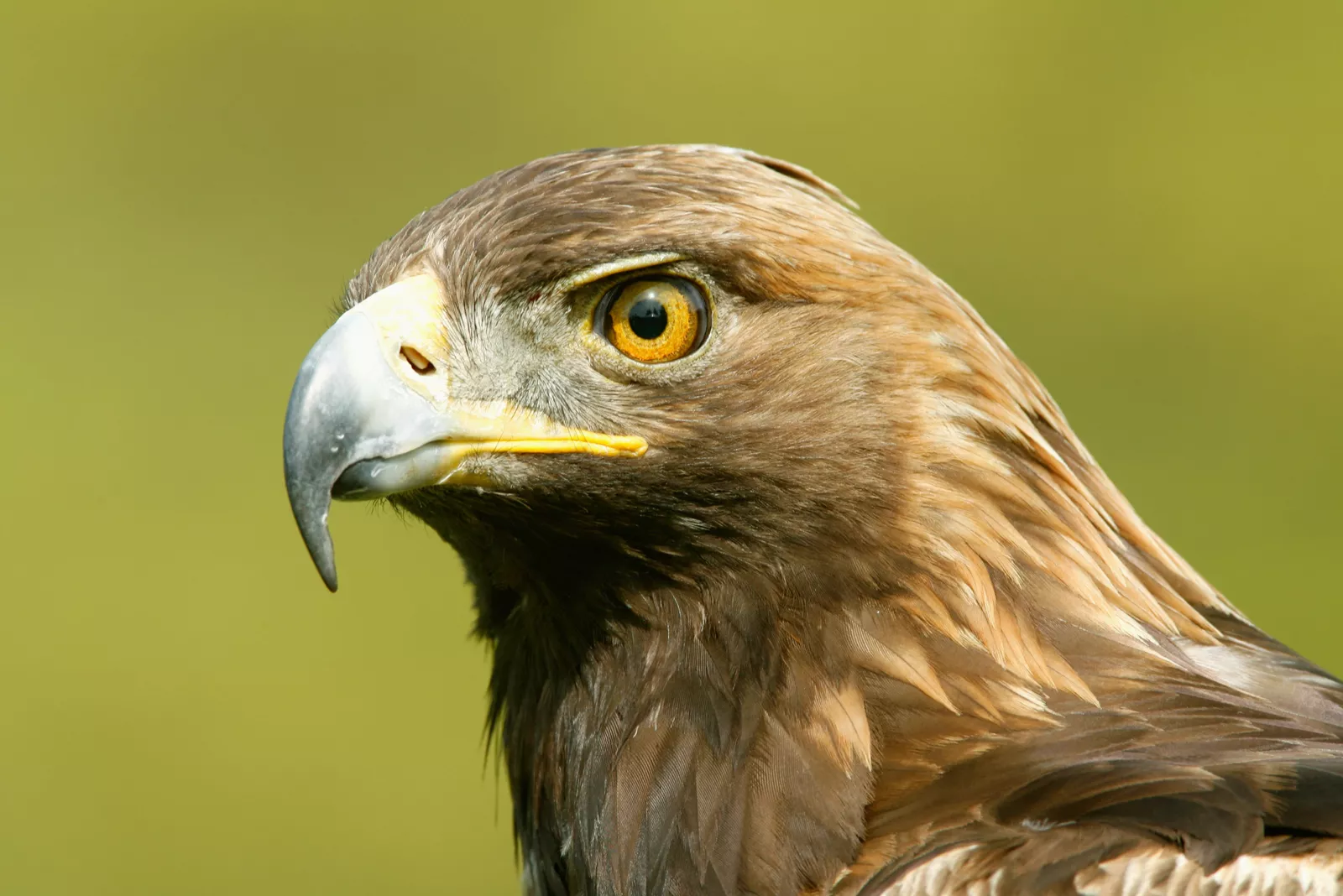
The ecological cost of their absence has been significant. As a keystone species and apex predator, golden eagles play a vital role in maintaining balanced ecosystems. With a wingspan of up to two metres, they help regulate populations of small mammals and can suppress smaller predators, while their leftover prey provides food for scavenger communities. Their presence is considered a key indicator of a healthy, functioning landscape.
Building on Scottish Success with Community Partnership
The new project aims to replicate the notable success of the South of Scotland Golden Eagle Project, which has restored populations there to record numbers. Satellite tracking has already shown some of these Scottish birds venturing across the border into northern England. The charity Restoring Upland Nature (RUN), which was central to the Scottish initiative, will lead the English effort in partnership with Forestry England.
Mike Seddon, chief executive of Forestry England, said the government funding would allow them to “build on the good work we have begun, taking the time to build support and engage with local communities, landowners and land managers and conservation organisations.” This focus on collaboration addresses historical tensions head-on. While modern studies indicate golden eagles rarely take healthy lambs, acknowledging and mitigating the concerns of farming and land management communities is seen as critical to the programme’s long-term success.
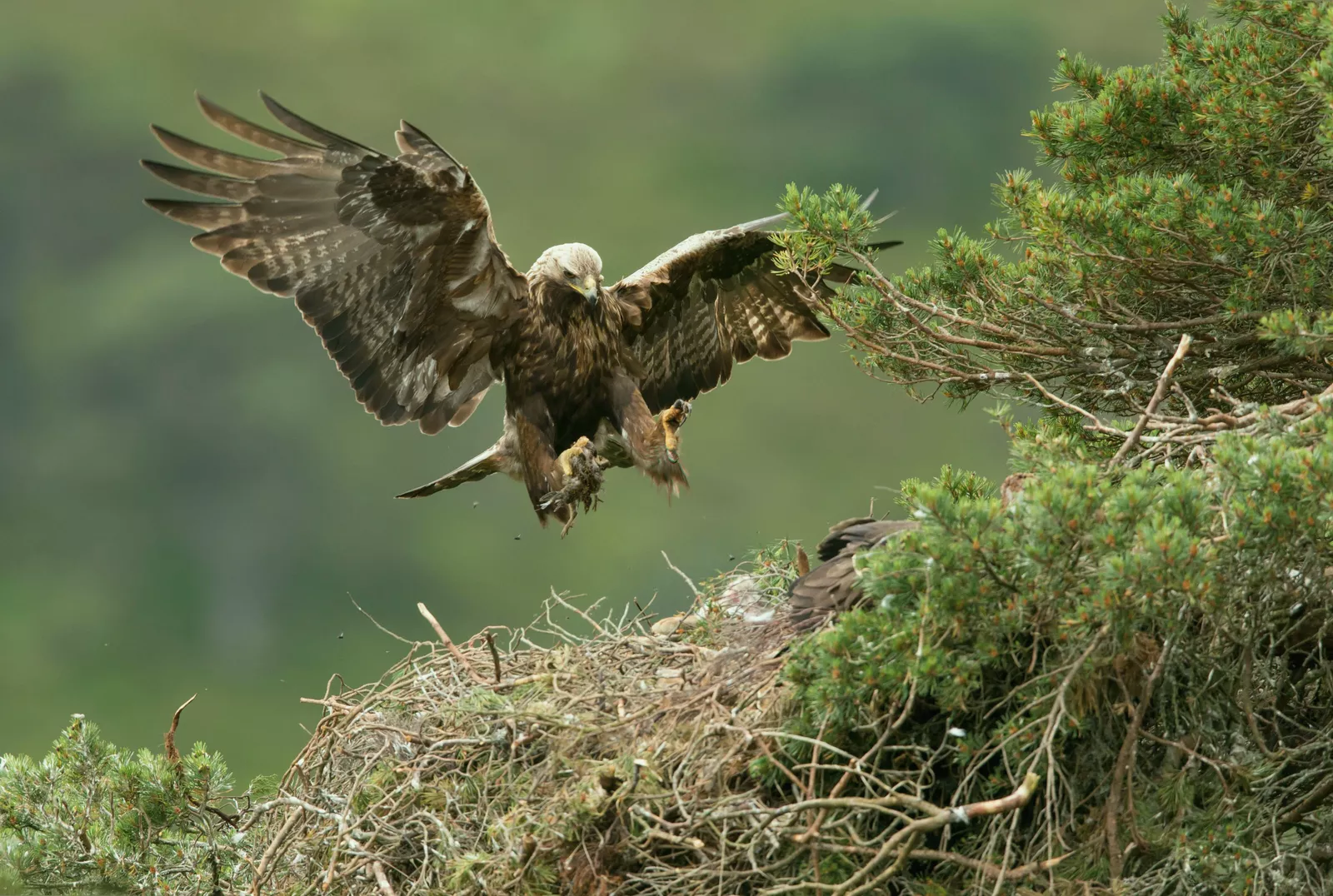
Cat Barlow, chief executive of RUN, described the moment as “truly exciting and potentially game-changing.” She stated, “Our priority will be to listen, to work in partnership, and to ensure that golden eagle recovery supports both nature and the people who manage these landscapes.” The £1 million is part of a broader £60 million species recovery fund announced by the Environment Department, tying into legally binding targets to halt the decline in species abundance by 2030 and to reduce extinction risk by 2042.