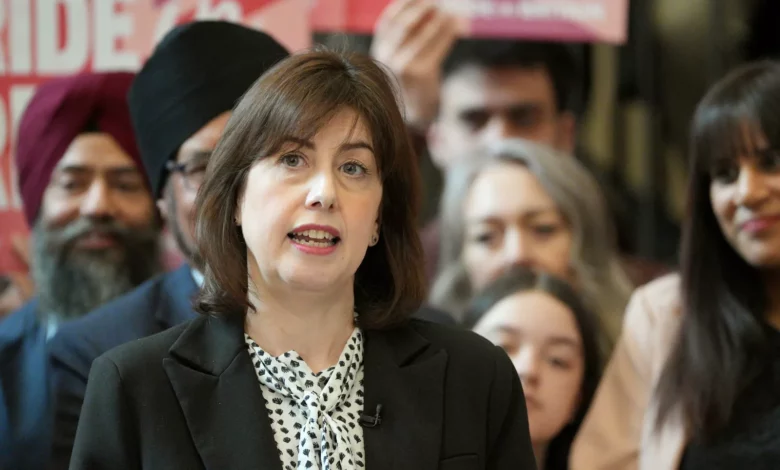
Labour’s deputy leader, Lucy Powell, has issued a forceful warning to potential challengers not to attempt to oust Sir Keir Starmer in the wake of next month’s local elections, arguing that a leadership contest would be “deeply inappropriate” while the nation navigates the ongoing crisis in Iran.
Ms Powell stated that any bid to unseat the Prime Minister would be met with a negative reaction from party members, who she said respond most enthusiastically to discussions of Sir Keir’s handling of the international situation. “We need calm, sensible, grown-up leadership to take us through this,” she told the Financial Times.
“I’ve got my own job and my own mandate. I’m not saying this because I want to suck up to anyone. I’m saying it because it’s the right thing for the party and country,” she stated, emphasising that “some kind of messy, bloody internal contest is not going to help us address these issues”.
Election fears and internal fractures
Her intervention is set against a backdrop of acute anxiety within Labour ahead of the local elections on 7 May, which are seen as a critical test for Sir Keir’s leadership. Analysts predict the party could lose close to 2,000 council seats, a result that would represent a very substantial threat to his premiership.
The picture in the devolved nations looks equally bleak, with Labour anticipated to lose control in Wales and potentially slip to third or even fourth place in Scotland. Reform UK and the Green Party are expected to make significant gains at Labour’s expense, with some projections suggesting Reform could win the highest national vote share.
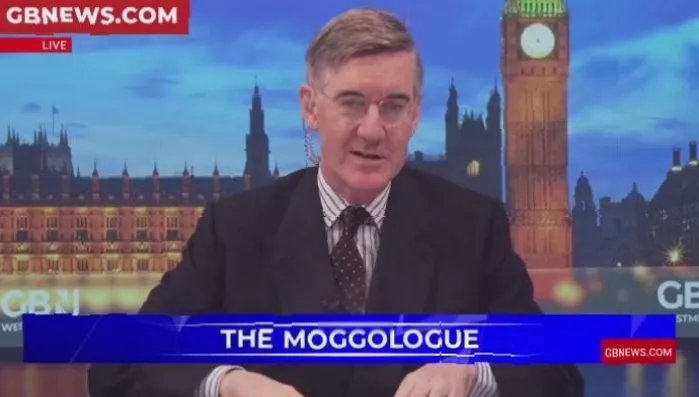
These fears have already triggered open dissent. The Scottish Labour leader, Anas Sarwar, has publicly broken ranks to demand Sir Keir step aside, stating that the “distraction needs to end and the leadership in Downing Street has to change.” He has said he stands by that call, believing there have been “too many mistakes” by Number 10.
Ms Powell’s defence of the Prime Minister is notable given her own “complicated history” with him. She was dismissed from her role as Leader of the House of Commons last September during a reshuffle triggered by the resignation of the then-deputy leader, Angela Rayner. Ms Powell subsequently secured her current deputy position through a vote of party members.
That reshuffle followed the controversy that led to Ms Rayner stepping down. She had admitted to underpaying approximately £40,000 in stamp duty on an £800,000 flat in Hove, claiming the underpayment was due to legal advice and that she had listed the property as her primary residence. She referred herself to the independent ministerial ethics adviser, Sir Laurie Magnus, for investigation, with the controversy involving complex property arrangements including a trust for her disabled son.
Further internal strains are evident. Andy Burnham, the Mayor of Greater Manchester, has criticised Sir Keir’s leadership as “very factional and quite divisive,” and was reportedly prevented by the Prime Minister from running in a by-election that could have allowed him to launch a leadership challenge. Research indicates the main divide within the Parliamentary Labour Party is between the left and the rest, and that Angela Rayner retains a broader base of support among MPs than Sir Keir Starmer does.

Starmer’s strategic focus on Iran
Amid this domestic turbulence, Sir Keir has sought to frame the Iran conflict as a defining challenge requiring steady leadership. He has warned that the war will “affect the future of our country,” driving up fuel and energy prices for households and businesses, and has vowed that the UK will not be “dragged” into the conflict.
He has expressed frustration with the role of former US President Donald Trump in exacerbating energy costs, and has drawn parallels between the US-Israeli military action in Iran and Russia’s invasion of Ukraine. The International Monetary Fund has warned of downgraded economic growth forecasts due to the conflict, which has led to soaring oil prices.
In response, Sir Keir has emphasised the need for a “long-term plan” to ensure Britain emerges as a “stronger and more secure nation,” vowing closer ties with Europe and pledging to invest in “clean British energy” to reduce reliance on volatile international markets. Downing Street is understood to believe the crisis could offer an opportunity to revive the Prime Minister’s fortunes.
Nevertheless, a growing consensus is reported among Labour MPs and ministers that Sir Keir will weather the immediate electoral storm, even among his critics, with his handling of the Iran conflict generating a degree of support.