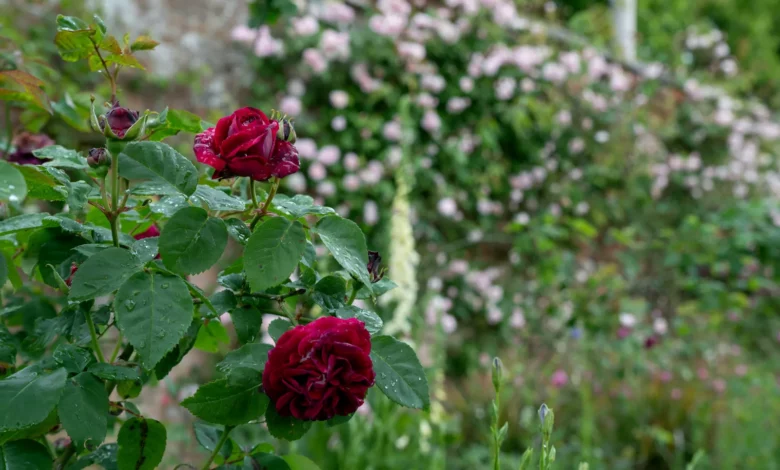
Roses are blooming weeks earlier than usual in southern England, with the National Trust reporting that its famous displays are peaking up to a month ahead of schedule. The charity’s rose garden at Mottisfont in Hampshire is expected to reach its high point between the middle and end of May, rather than its traditional June peak, while at Chartwell in Kent the first rose flowered as early as March. At Buckland Abbey in Devon, senior gardener Sam Brown said blooms were appearing two to three weeks earlier than historically expected.
The early flowering is a direct consequence of a mild, wet winter and unusually warm spells in spring, the National Trust said. Mottisfont head gardener Rob Ballard noted 42 consecutive days of rain at the start of the year, followed by warm April weather that “accelerated growth”. The result, he said, is that “this year they’re flowering earlier than we can remember”. When the Mottisfont rose garden was officially donated to the trust on 30 June 1972, it was in peak flower – a benchmark that now arrives weeks earlier. The peak blooming of roses across southern properties has shifted by the equivalent of one day every two-and-a-half years, the charity calculated.
Climate shift accelerates flowering
The trend is not confined to National Trust gardens. Research shows that plants across the UK are flowering, on average, a month earlier than they did in the mid-1980s. A University of Cambridge study of more than 400,000 records found a shift of approximately 26 days earlier since 1986, linked to increased average temperatures from January to April. Warmer conditions reduce the dormancy period of roses and other plants, while milder winters allow more pests to survive and encourage fungal diseases that thrive in wet springs. Chartwell’s gardens and outdoor manager Christopher Lane said the lack of cold snaps this spring had given plants “an early boost”, accelerating growth across the garden and producing the earliest rose he had seen.
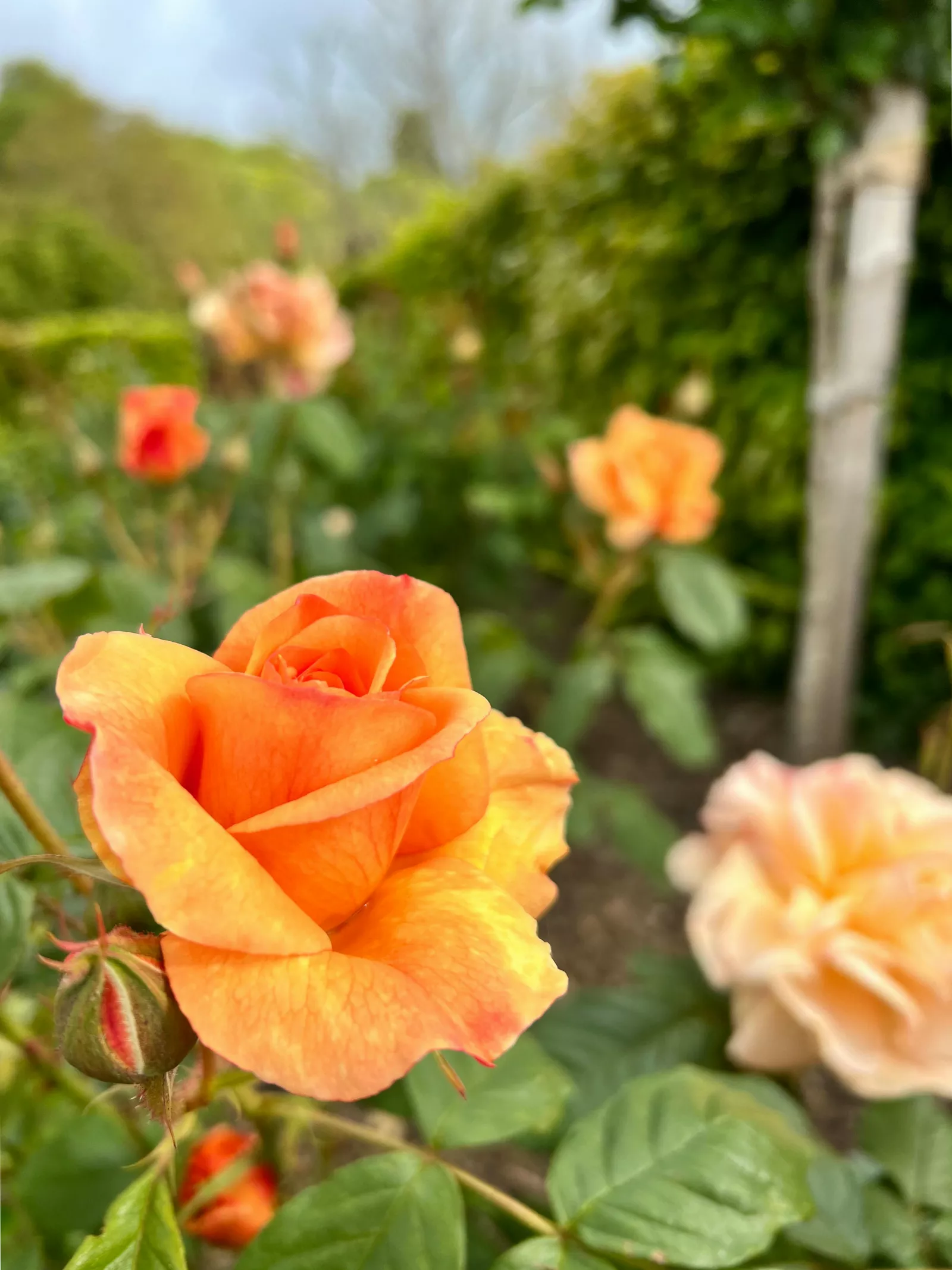
But early flowering carries risks. The National Trust’s horticultural specialist Rebecca Bevan warned that while the shift was not necessarily harmful in itself, climate change still poses serious threats. “The bigger concern is water availability,” she said. “Research shows that drought poses the greatest threat to roses.” A temporal mismatch can also occur when pollinators arrive too late for the blooms they depend on, potentially affecting wildlife and crop yields. Late frosts, meanwhile, can damage early flowers. The trust said more northern properties were still seeing more typical flowering patterns, underscoring the regional variation driven by temperature.
Gardeners adapt to new conditions
In response, National Trust gardeners are fundamentally changing how they manage rose gardens and wider landscapes, focusing on soil health, water conservation and plant selection. At Mottisfont, Rob Ballard said the team had “mulched the whole garden to lock in water, suppress weeds and build organic matter in the soil”. He explained that the mulch “supports everything from the roses themselves to the worm population beneath them”. Pruning techniques are also being revised. “We’re adjusting our pruning to let roses such as Adelaide d’Orleans grow in a more natural way,” Ballard said, adding that the team is “thinking longer-term about the right plant in the right place, better water management, and conserving rare varieties so they survive for generations to come”.
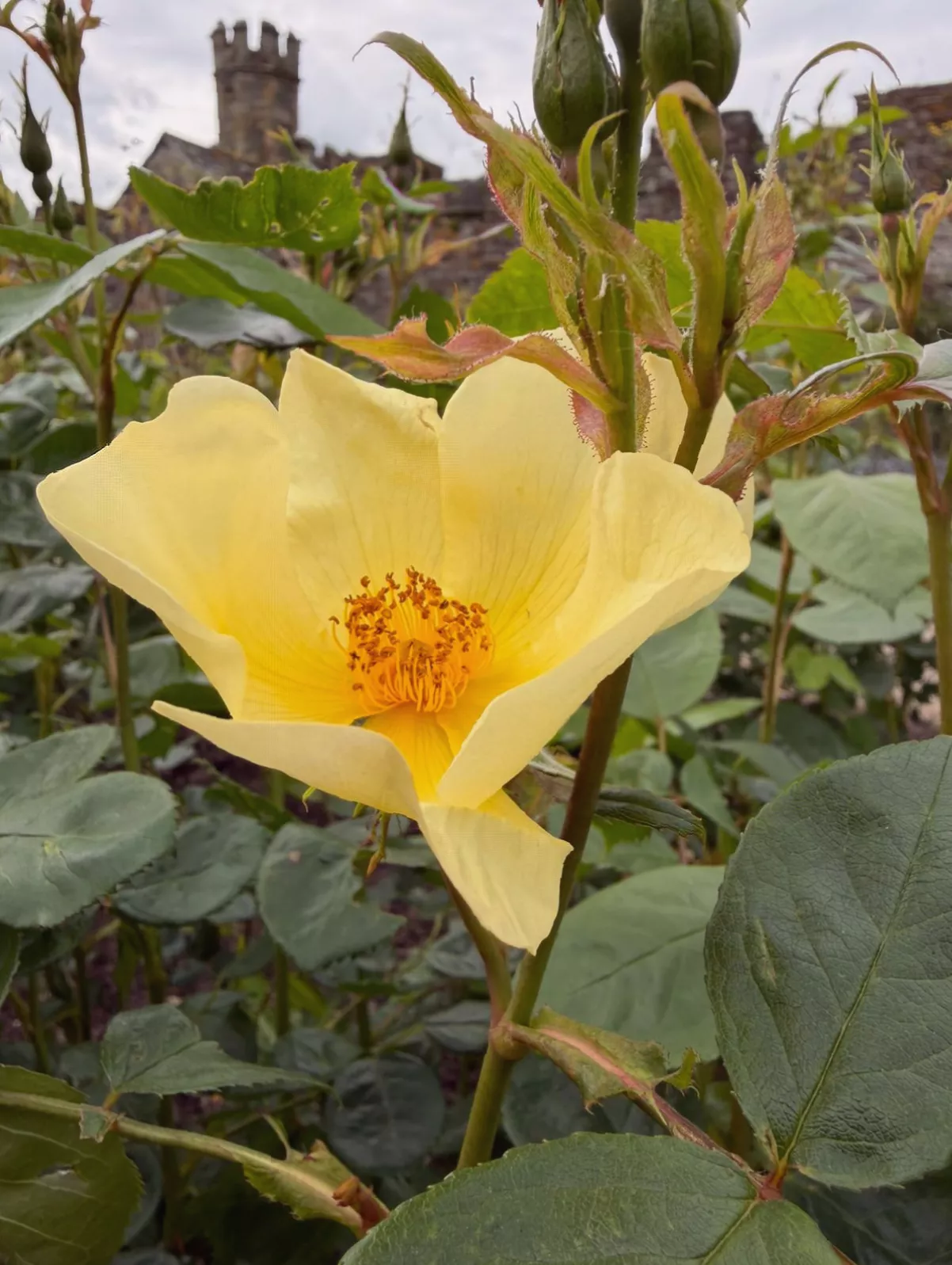
At Buckland Abbey, Sam Brown described a suite of measures to counter shorter dormancy periods, more pests surviving winter and increasing summer drought. “We’re responding by improving soil health, selecting resilient varieties and using techniques like mulching and underplanting to retain moisture,” he said. Rebecca Bevan reinforced the focus on drought resilience: “We’re focusing on building healthy soils, choosing tougher varieties and investing in water capture and storage.” The National Trust is also developing climate adaptation strategies for its properties, aiming to build long-term resilience.
The Royal Horticultural Society has issued guidance for home gardeners facing similar pressures, recommending increased biodiversity, composting and peat-free soil, water butts and drought-tolerant plants, permeable surfaces such as gravel in place of hard landscaping, and planting hedges instead of fences. At Chartwell, the historic Golden Rose Avenue – a gift to Winston and Clementine Churchill on their 50th wedding anniversary in 1958 – and Lady Clementine’s Rose Garden, designed by her cousin Venetia Montagu, are both being managed with these principles in mind. At Mottisfont, the National Collection of pre-1900 old shrub roses, created in the 1970s by the plantsman Graham Stuart Thomas, is being conserved as part of the adaptation effort.

With roses blooming early, the National Trust is urging visitors to southern properties to plan trips earlier than they once would to catch the best displays. At Chartwell, Christopher Lane said the early flowers served as “a clear indication of how the changing climate was affecting gardens”. Sam Brown at Buckland Abbey noted that the combination of warmer winters and drier summers is creating new challenges every year, and that the team is committed to “selecting resilient varieties and using techniques like mulching and underplanting to retain moisture”. Rebecca Bevan summed up the priority: “Drought poses the greatest threat to roses, so we’re focusing on building healthy soils, choosing tougher varieties and investing in water capture and storage.”