Pressure mounts on Reeves to act more boldly after VAT cut for families in latest support package

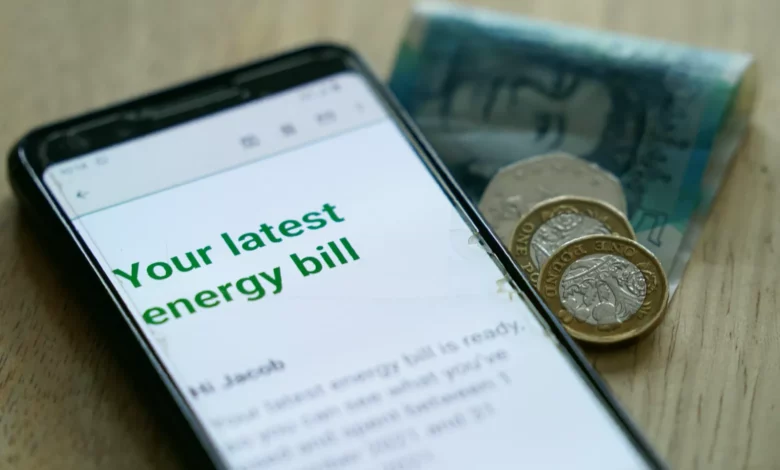
Chancellor Rachel Reeves has cut VAT on summer attractions from 20 per cent to 5 per cent in a bid to ease cost-of-living pressures, as the government rolls out a package of temporary measures it has dubbed “Great British Summer Savings”.
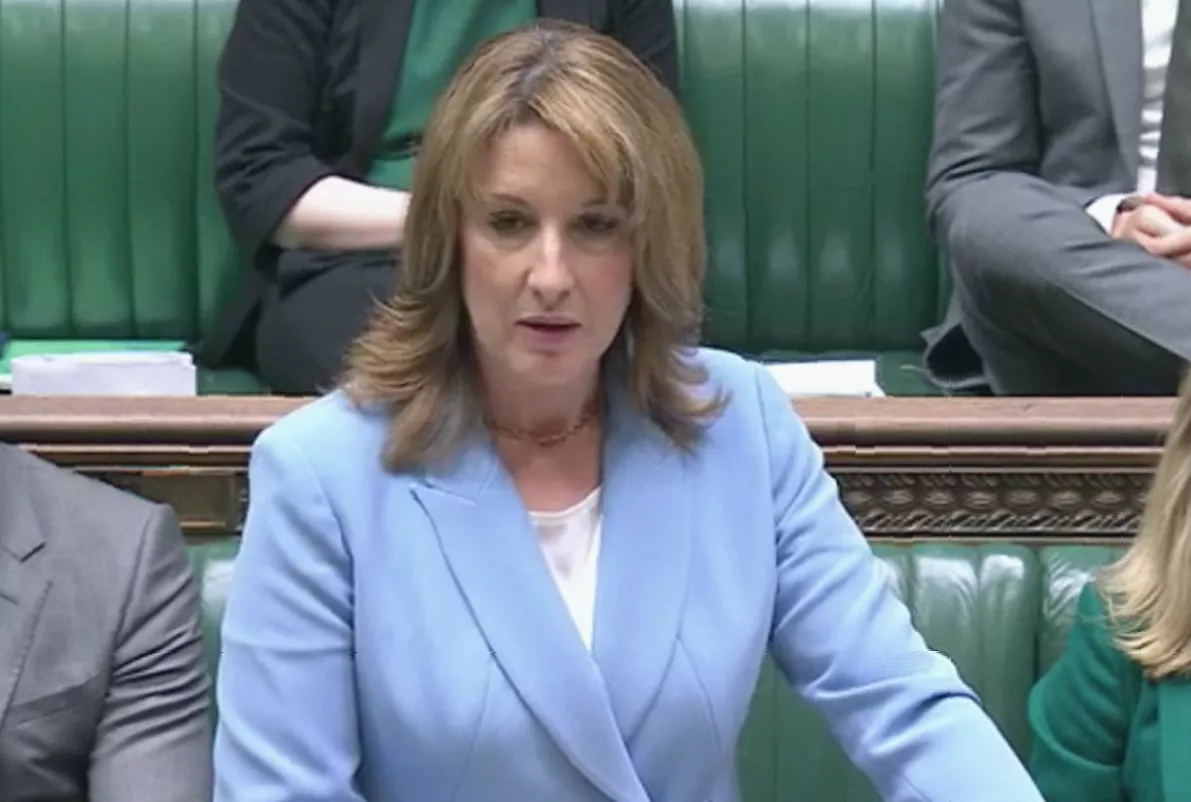
The reduction applies to theme parks, zoos, museums, cinemas, theatres, soft play centres and children’s meals in cafes and restaurants. Running from 25 June to 1 September 2026, the scheme is expected to cost the Treasury approximately £300 million. Announcing the move in the Commons, Reeves told MPs she expected businesses to pass the savings “in full” to customers and said she would “not tolerate any company exploiting the current situation”.
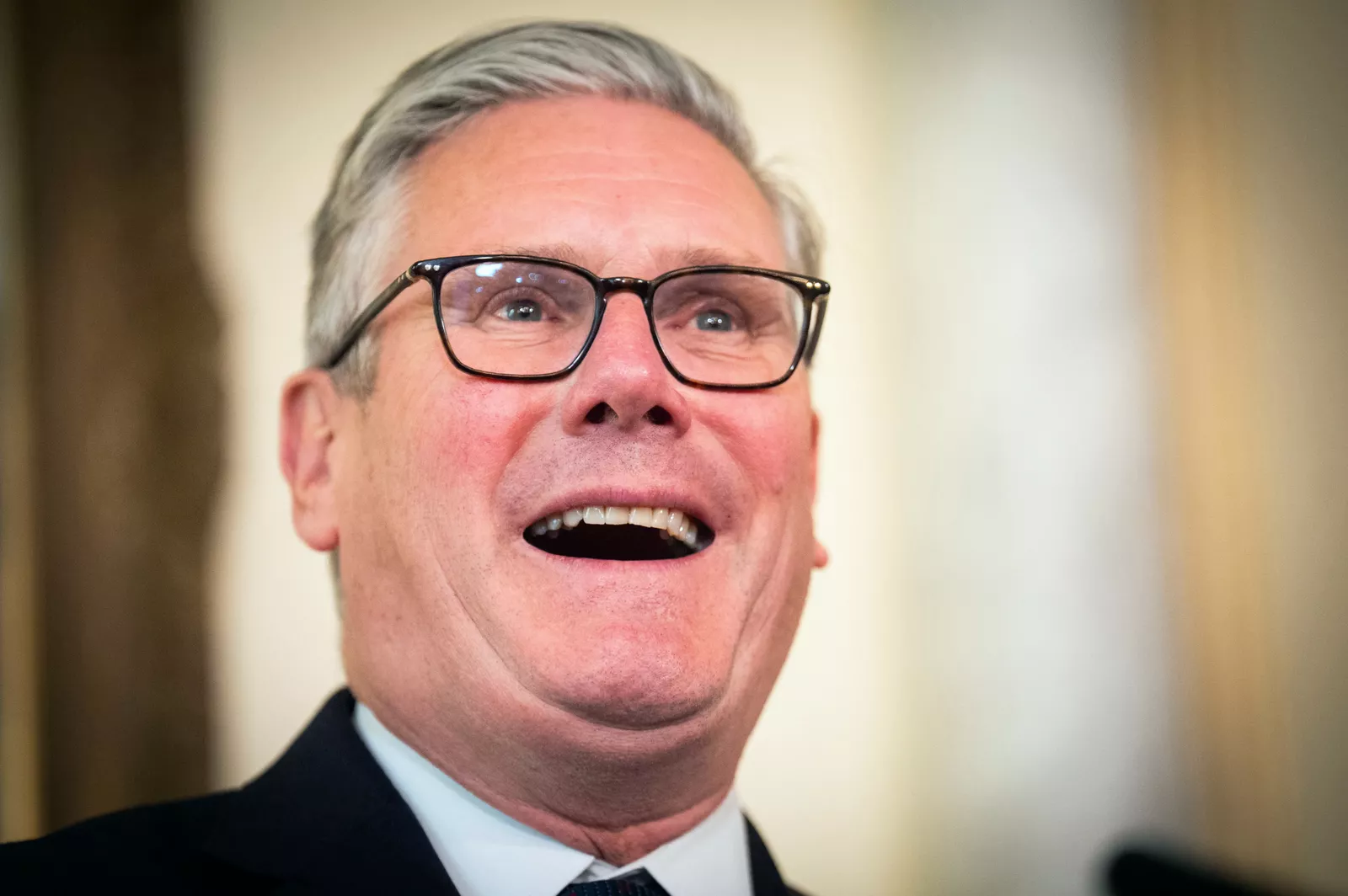
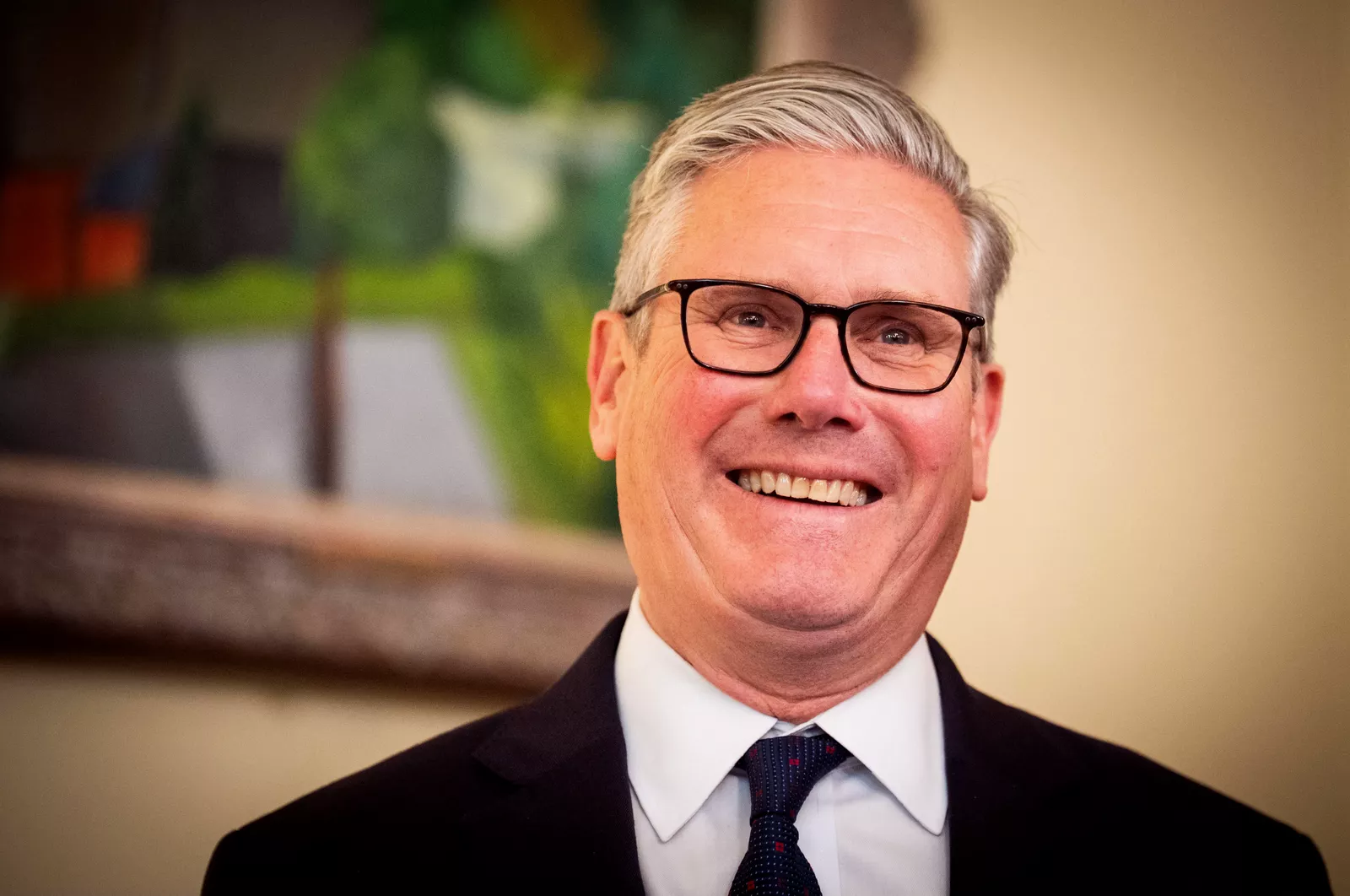
Writing on his Substack, Prime Minister Sir Keir Starmer recalled childhood summer holidays to the Lake District and said the VAT cut would mean “the cost of a day out drops overnight”. He added that the government was providing “a serious response” to concerns people have about the months ahead.
The plan also includes free bus travel for children aged five to 15 across England throughout August, and the suspension of tariffs on more than 100 food items sold in supermarkets — including staples such as baked beans and biscuits. Nutritionist Kim Pearson, who specialises in weight loss, warned the government against cutting the price of ultra-processed foods during what she called “the midst of a chronic health and obesity crisis”, arguing that ministers should instead focus on making healthy whole foods more affordable. Research shows that 66 per cent of children’s daily energy intake in the UK now comes from ultra-processed foods, and the British Medical Association has described the country’s food regulation system as failing to protect public health.
Wider cost-of-living measures
Reeves has abandoned a planned increase in fuel duty that had been frozen for 15 years, a U-turn that is expected to cost £2.4 billion. She defended the timing, saying she had monitored oil and gas prices and acted accordingly as the war in Iran drove up costs. Petrol and diesel prices have risen sharply, and household gas bills are expected to increase later in 2026. The tax-free mileage rate for people who use their cars for work has been increased by 10p per mile, backdated to April 2026, taking the rate from 45p to 55p. In her Commons statement, the chancellor specifically name-checked plumbers, reflecting the Westminster focus on “white van man” and “real working people” that has intensified following recent by-elections.
Separately, the government announced a £350 million Critical Chemicals Resilience Fund and a £120 million ceramics package to support energy efficiency, decarbonisation and long-term competitiveness in those sectors. Steve Elliott, chief executive of the Chemical Industries Association, described the chemicals fund as “a very welcome first step”. The ceramics funding is seen as particularly significant in Stoke-on-Trent — the “World Capital of Ceramics” — where Labour MP Gareth Snell regained his seat in 2024 but faces a growing Reform UK challenge.
The overall package comes against a backdrop of rising economic strain linked to the conflict in the Middle East. The International Monetary Fund upgraded its UK growth projection for 2026 to 1 per cent, but that remains lower than pre-conflict forecasts. Britain’s unemployment rate has climbed to 5 per cent in the three months to March, and job vacancies have fallen to a five-year low. The Bank of England expects inflation to rise above 6 per cent early next year and is currently holding interest rates at 3.75 per cent.
Experts call for a plan on energy debt and housing
Charities and think tanks have urged the government to go further, with the most persistent demand centred on the much-delayed Energy Debt Relief Scheme. Citizens Advice has reported that one person comes to it in crisis every 30 seconds — three times the rate in 2019 — and that average energy debt among its clients has risen by 63 per cent in four years, to more than £9,500. Dame Clare Moriarty, the charity’s chief executive, said: “With budgets strained across the country, free bus travel and help with food costs will make a real difference for families this summer. But the people coming to us every 30 seconds in crisis aren’t just worrying about August, they’re already struggling now and fear things will only get worse as winter hits. Today’s announcement doesn’t address the urgent need for a plan to tackle record energy debt, or the huge uncertainties people face with their finances. The government must deliver the much-delayed Energy Debt Relief Scheme now and ensure any targeted support reaches those who need it most, such as families with children and disabled people.”
The Institute for Public Policy Research (IPPR) was similarly blunt. Executive director Harry Quilter-Pinner said: “The Chancellor is right to cut costs for families this summer, but the cost-of-living crisis demands much bolder action. The government needs to wage an all-out war on bills. Ministers should show working people whose side the government is on by capping rents, using competition policy to tackle price gouging, and shifting the tax burden from work to wealth.” The New Economics Foundation called the measures a temporary discount that “doesn’t go far enough”, urging tougher action on rents, energy and transport costs to help prevent the Bank of England from having to intervene with rate rises.
The TaxPayers’ Alliance described Reeves’s plan as a “sticking plaster”, arguing that Labour’s own policies had made life more expensive. Meanwhile, the political context for the announcement includes the Green Party’s historic by-election victory in Gorton and Denton in February, where plumber Hannah Spencer won the seat and Labour finished third behind Reform UK. A further by-election is due in Makerfield on 18 June, where Reform UK’s Robert Kenyon — a plumber and local councillor — will challenge Labour’s Andy Burnham. The ceramics funding in Stoke is also seen as an attempt to shore up Labour support in a city where Reform is gaining ground.
Reeves has ruled out making “massive unfunded spending commitments” to provide universal support with energy bills. But the chorus of voices calling for the Energy Debt Relief Scheme to be introduced immediately — and for a serious plan to address housing costs and record household debt — suggests that the summer savings, while welcome, may only scratch the surface of the pressures families are facing.