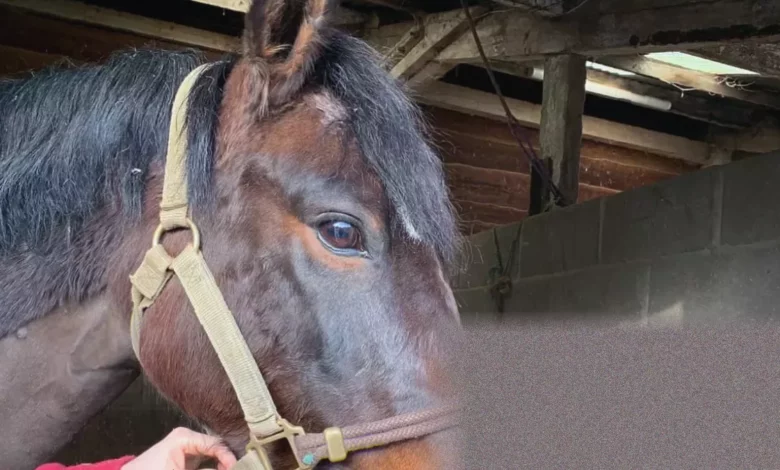
In the quiet of a stable yard, a simple saliva test on a pony named George represents a quiet revolution in how Britain cares for its horses. Gone are the days of blanket, calendar-led deworming. In its place, a far more precise, evidence-based approach is taking hold, driven by a sobering twin threat: widespread drug resistance and a growing awareness of the collateral damage wormers inflict on the environment.
The New Paradigm: Test, Don’t Guess
The traditional ritual of administering a wormer every three months is now considered not just outdated but actively harmful. With resistance to all five available classes of equine deworming drugs a significant and growing problem in the UK, the risk of rendering treatments useless—and leaving horses vulnerable to debilitating or even fatal burdens—is real. The modern mantra, endorsed by sector-wide guidelines like the CANTER framework and the British Equine Veterinary Association’s (BEVA) “ProtectMEtoo” toolkit, is targeted treatment.
This is where diagnostic tools like the one used for George come in. The EquiSal tapeworm test, a scientifically-validated ELISA kit costing around £25.50, allows owners to take a saliva sample. It detects antibodies to the most common UK tapeworm, Anoplocephala perfoliata, and is highly accurate at identifying pathogenic infections. Critically, it overcomes the limitations of standard faecal egg counts, which are unreliable for tapeworm as eggs are not shed evenly.
“The aim is to only treat when necessary,” explains one practitioner, mirroring the shift in the industry. Studies, such as one conducted at Bransby Horses, show such targeted strategies can reduce anti-tapeworm treatments by as much as 86% compared to old routines. Recommendations now advise testing at least every six months, with timing tailored to risk; spring testing is beneficial as it targets infections when the mites that spread tapeworm are active.
Beyond Tapeworms: A Broader Battle
Tapeworm is just one part of the parasite control puzzle. For other worms, like small and large redworms, regular Faecal Egg Counts (FECs) are the cornerstone of modern management. These tests, which can cost around £10.50 per horse, determine if a wormer is needed, preventing unnecessary medication. Furthermore, Faecal Egg Count Reduction Tests (FECRTs) are crucial for checking if a dewormer has actually worked, providing early warning of resistance on a specific yard.
This testing-led approach is vital because the pipeline for new deworming drugs is dry. Preserving the efficacy of existing treatments is paramount for equine welfare, preventing conditions like colic, weight loss, and anaemia linked to heavy worm burdens. UK-wide saliva testing suggests approximately 23% of horses carry tapeworm, though prevalence can vary wildly from under 10% to over 80%, underscoring why a one-size-fits-all policy is ineffective.
The Environmental Cost of Care
The push for precision is not just about horse health. There is a profound environmental dimension, centred on the humble dung beetle. The UK’s approximately 60 species of these industrious insects—tunnellers, dwellers, and stealers—are vital for recycling manure, improving soil, and providing food for wildlife from hedgehogs to bats. Alarmingly, around half are nationally scarce or threatened.
Dewormers, particularly ivermectin, are a major threat. An estimated 80-98% of an oral ivermectin dose passes through the horse unmetabolised. This potent residue can paralyse and kill dung beetles, persist in dung for over 47 days, and linger in soil for more than two years, disrupting ecosystems long after treatment. Other wormers like moxidectin are moderately toxic, while pyrantel and praziquantel are considered less harmful.
This creates a complex balance for the conscientious owner. While scrupulous poo-picking is a key tenet of pasture management to break parasite lifecycles, it also removes the habitat and food source for beetles. The compromise, as observed with George, is to leave the freshest droppings for a time, allowing beetles like the large, shiny Geotrupidae dor beetle to bury them.
An Integrated Strategy for the Future
Ultimately, sustainable parasite control is a mosaic. It combines diagnostic testing with meticulous pasture management: regular poo-picking, paddock rotation, and mixed grazing. When treatment is necessary, environmental mitigation is advised, such as stabling horses for at least 48 hours after worming to contain toxic dung, and managing manure via hot composting to break down chemical residues.
For George the Connemara, the immediate question is whether his winter tapeworm treatment was successful, the answer waiting in a posted saliva sample. His story is a microcosm of a broader shift—a move away from habit and towards science, where every dose is justified, and the health of the horse is weighed alongside the health of the field it stands in.