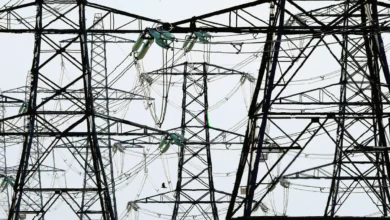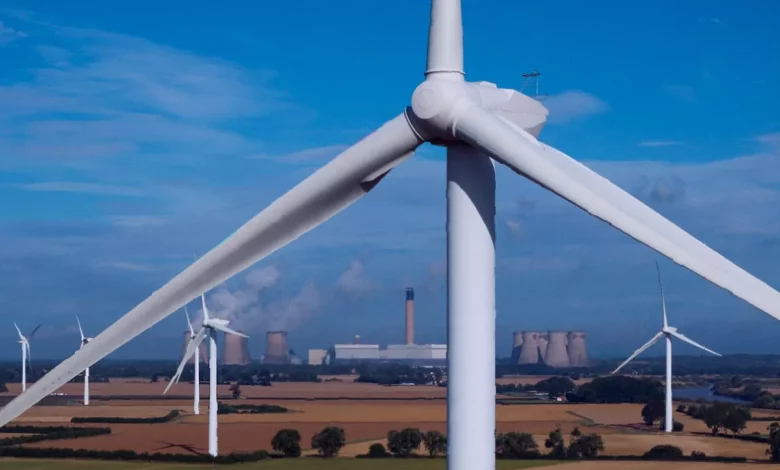
Wales, once a significant power exporter to the rest of the UK, is now a net importer of electricity, a stark reversal that underscores a critical juncture in the nation’s energy security.
According to a new analysis from the not-for-profit Energy and Climate Intelligence Unit (ECIU), Wales’s electricity exports peaked at over 21 terawatt-hours (TWh) in 2016 but dwindled to near zero by 2024. Last year, for the first time, the nation imported more power from England than it sent the other way.
A stalling renewable engine
This loss of energy independence is directly tied to a stalled transition. While renewable generation in Wales has grown nearly eightfold since 2024 and now meets a significant portion of demand—accounting for 54% of electricity consumption in 2024, according to one report—its overall growth has flatlined since 2019. The ECIU warns that Wales’s pipeline for new renewable projects is now smaller and less developed than those in England and Scotland.
This slowdown is happening against a backdrop of rising ambition. The Welsh Government has set a target of meeting 100% of its electricity demand from renewable sources by 2035, a goal that requires generation to nearly quadruple within a decade. It has also signed a Renewable Energy Sector Deal with industry and aims for 1.5 GW of locally owned renewable capacity by 2035, having reached 0.99 GW, or 66% of that target, by the end of 2024.
However, progress is not keeping pace with the closure of older power sources. The ECIU report shows that total electricity generation in Wales has fallen by almost 50% from its 2016 peak, as growth in renewables has failed to offset the drop in generation from coal and nuclear. With electricity demand forecast to double by 2050, the ECIU projects that renewables’ share of generation is currently set to fall, not rise.
The growing risk of gas dependence
The gap left by stalled renewables and retired power stations is being filled by gas. Gas now accounts for 58% of Welsh electricity generation—a greater share than any other UK nation—leaving generators and consumers heavily exposed to volatile international markets.
This dependence has immediate financial consequences. In the UK, the cost of gas dictates electricity prices around 85% of the time. The conflict in the Middle East has sent global gas prices soaring to a three-year high, a vulnerability the International Monetary Fund (IMF) says leaves the UK “especially exposed” to fallout from the war in Iran. Independent analysts Cornwall Insight estimate the average UK household energy bill could rise by nearly £300 when the price cap is revised in July, with a forecast cap of around £1,837 representing a 12% increase.
Analysis by the ECIU suggests the previous energy crisis, following the Russian invasion of Ukraine, cost the Welsh economy £5.65 billion. The Energy Crisis Commission has described the current Middle East conflict as a “sobering reminder of the UK’s continued vulnerability to external energy shocks,” noting that new UK gas extraction would do little to lower prices as resources are sold into international markets.
This vulnerability is compounded by shifting import reliance. The United States has become the UK’s largest supplier of liquefied natural gas (LNG), supplying 68% of imports in 2024, leading experts to warn of the potential for energy supplies to be leveraged for policy concessions.
Public concern is high. Polling conducted by More in Common for the ECIU found 70% of Welsh voters are concerned about dependence on energy imported from the United States, and 67% about reliance on the rest of the world. While there is strong public support for expanding renewables—with 71% believing development should increase—the disconnect between perception and reality is significant; many believe Wales generates more of its power from renewables than the UK average, when in fact it lags behind.
Laura Dunn, a senior associate at the ECIU, linked the issue directly to the cost of living, stating it is “voters’ number one priority heading into the Senedd elections, with growing fears of a repeat of the energy crisis.” She argued that “the best way to offer Welsh households and industry the long-term certainty they need is by untethering the cost of electricity from unstable international gas markets.”