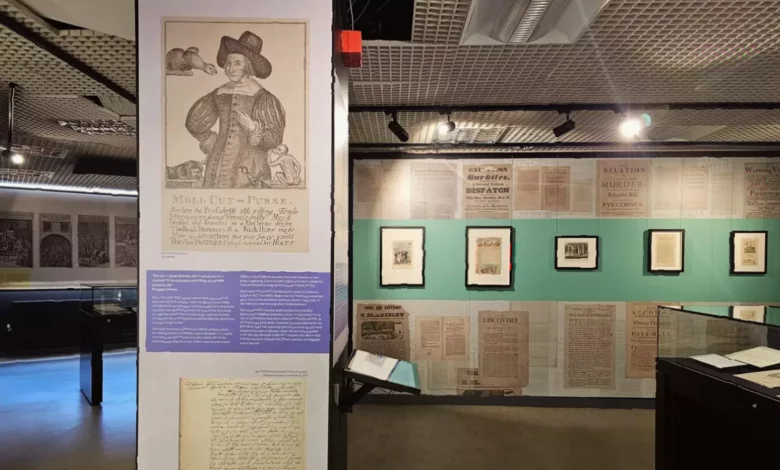
Step into the archives of justice, and you step into the lives of Londoners. A new exhibition opening its doors in Clerkenwell delves into seven centuries of the capital’s tumultuous relationship with crime, punishment, and public spectacle, drawing on the vast and meticulous legal records held by the London Archives. From the pillory to the prison cell, “Londoners on Trial: Crime, Courts and the Public 1244-1924” is less a chronology of laws than a vivid parade of humanity caught in the legal machine.
The exhibition, which runs from 9 March 2026 until 25 February 2027, is free to visit at the London Archives. It will be open from 10am to 4:30pm on Mondays and Thursdays, until 6pm on Tuesdays, and until 7pm on Wednesdays, with one Saturday opening each month.
The Famous and the Infamous
Inevitably, some faces loom larger than others. The tragic figure of Oscar Wilde dominates, his 1895 trial for “gross indecency” laid bare as a landmark event that exposed the brutal hypocrisy of Victorian society. The exhibition details how his downfall began with a failed libel case against the Marquess of Queensberry and ended in conviction under the Criminal Law Amendment Act of 1885, known as the Labouchere Amendment. The Archives confirm Wilde was sentenced to two years of hard labour, initially at Pentonville and later Reading Gaol, after a brief, grim stint in the notorious Newgate Prison.
Alongside him is the defiant campaigner Sylvia Pankhurst, whose battles for women’s suffrage repeatedly landed her in court. Yet the display is perhaps most compelling when it moves beyond these famous names, exploring how the legal system documented the city’s entire social fabric, from flamboyant criminals to everyday citizens.
Everyday Lives in the Legal Record
Here, we meet Moll Cutpurse, the 17th-century pickpocket and underworld fixer whom Daniel Defoe dubbed the ‘Queen of the Underworld’. We encounter Jack Sheppard, the serial prison escapee whose notoriety was such that an estimated third of London’s population tried to witness his execution at Tyburn in 1724. His story, like many others, speaks to a public fascination with crime that borders on glorification.
More quietly profound is the story of John Anthony, a Londoner of Chinese heritage born around 1766. Records show he was the first person of Chinese descent to gain British citizenship via an Act of Parliament in 1805. Working for the East India Company and as an interpreter at the Old Bailey, he interpreted for a Chinese prosecutor named Erpoon in a theft trial in 1804—a striking testament to London’s deep-rooted multicultural character. His funeral in August 1805 drew over two thousand mourners.
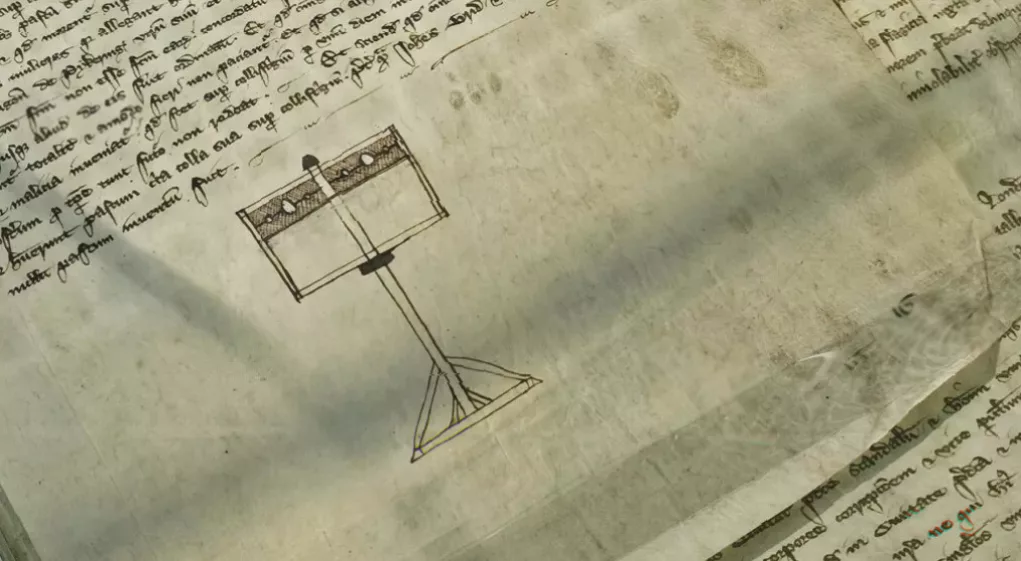
The exhibition reaches back to one of its oldest documents: a case from 1321 where bakers were sentenced to the pillory with their stolen bread hung around their necks, the record even including a drawing of the device. It also highlights the minor transgressions preserved with bureaucratic thoroughness, such as John Coleman, sentenced to hard labour in 1837 for stealing fruit from a garden.
The Public Spectacle of Justice
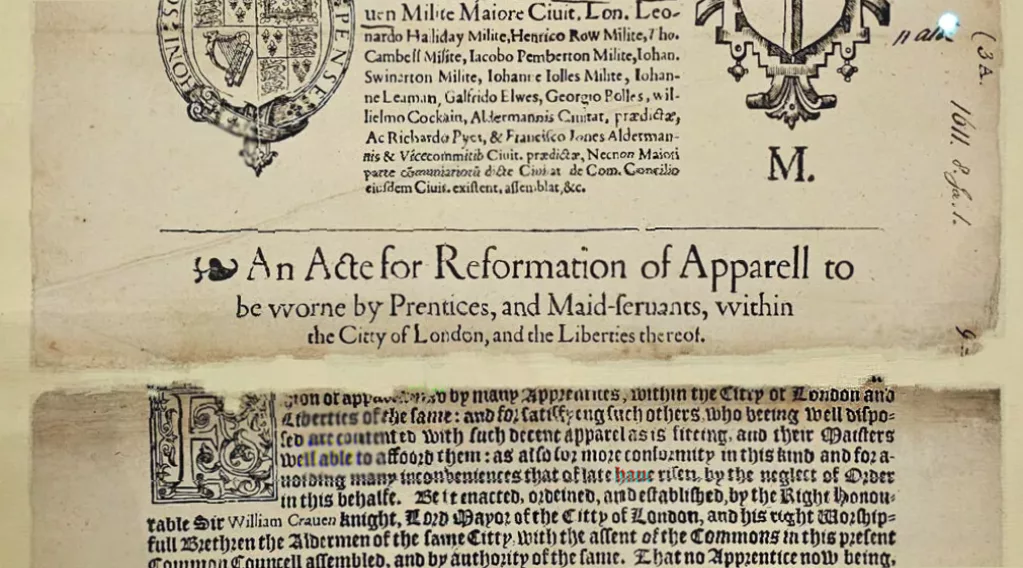
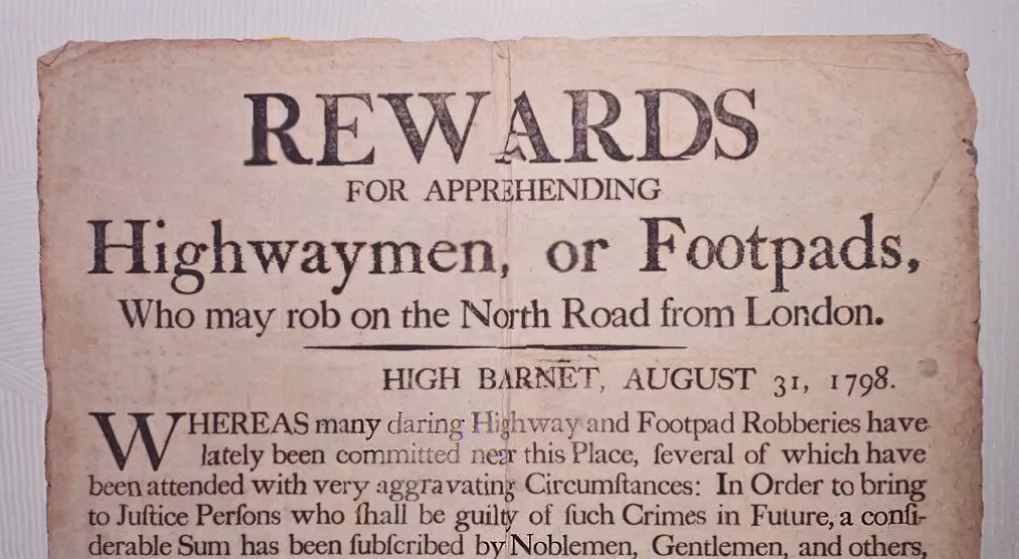
A core theme is London’s enduring appetite for courtroom drama and its grisly conclusions. This public fascination is traced through historical publications and artworks by the likes of William Hogarth and James McNeill Whistler. It manifested most viscerally at the gallows. For centuries, the primary site was Tyburn, where the “Tyburn Tree” gallows could hang multiple people at once. Condemned prisoners were transported from Newgate Prison in carts, drawing crowds of up to 50,000 spectators until executions were moved to Newgate itself in 1783.
The exhibition provides stark context on these institutions. Newgate Prison stood for over 700 years, a byword for appalling conditions, overcrowding, and disease. It was destroyed in the Great Fire of London, rebuilt, attacked during the Gordon Riots, and was finally demolished, with the Central Criminal Court (the Old Bailey) now standing on its site. Bridewell Hospital, established in 1553 as England’s first house of correction, dealt with the “disorderly poor” and unruly apprentices. It was there, in 1715, that apprentices locked up to stop them partying used gunpowder to blast their way out and rejoin the revels.
Through these interconnected stories—of celebrity, obscurity, injustice, and spectacle—the London Archives reveals the city’s legal history not as a dry procession of statutes, but as a relentless, messy, and deeply human narrative. The records of its intricate web of criminal, civic, and church courts have, for seven centuries, documented a capital perpetually negotiating the boundaries of law, order, and morality.