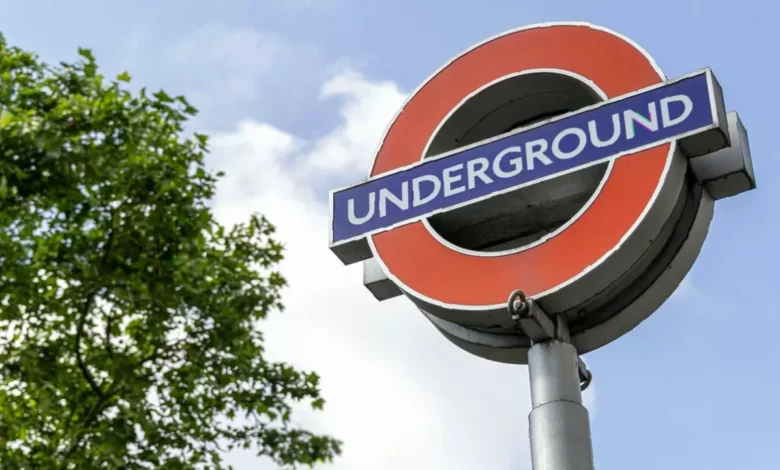
Two planned 24-hour strikes by London Underground drivers next week have been suspended, offering a temporary reprieve for commuters, but the union at the heart of the dispute has warned that the battle over a controversial new working pattern is “far from over.”
Members of the Rail, Maritime and Transport union (RMT) were due to walk out from noon on Tuesday 24 March and again from noon on Thursday 26 March. The union confirmed the action was called off following what it described as progress in talks with London Underground (LU) management over changes to the working week.
A Dispute Over Days and Fatigue
At the core of the ongoing confrontation is LU management’s proposal to introduce a compressed four-day week for Tube drivers. Transport for London (TfL) presents the scheme as a voluntary pilot, initially on the Bakerloo Line, which would see drivers work their 35-hour week over four longer shifts in return for an extra day off, with no loss of pay. TfL also argues that meal breaks would be paid for the first time under the new arrangement.
The RMT, however, views the plan as a “fake four day week” and is vehemently opposed. The union cites serious concerns that compressing hours into fewer, longer shifts will lead to increased driver fatigue, posing potential safety risks. It also fears the changes will damage work-life balance and could become enforced, despite management’s assurances of a voluntary pilot. Additional grievances include proposals to extend maximum driving times and alter shifts with minimal notice.
RMT general secretary Eddie Dempsey said the suspension of next week’s action was a direct result of union pressure. “Through our show of industrial strength and unity, we have forced management into a position where they are now willing to seriously engage with the issues our members want addressing,” he stated. Dempsey, a former LU worker who succeeded Mick Lynch as the union’s leader in March 2025, confirmed that further talks are planned but stressed “the dispute remains live.”
Union Divide and Future Strike Dates
The RMT’s stance exposes a sharp division with the other main train drivers’ union, ASLEF (Associated Society of Locomotive Engineers and Firemen), whose members are not striking. ASLEF is reported to support the four-day week proposal, with its LU official Finn Brennan having previously criticised the RMT’s strikes as “bizarre.” This inter-union dynamic adds a layer of complexity to the negotiations.
For London’s travellers, the threat of disruption is merely postponed. The RMT has confirmed that all other planned strike dates in April and May remain firmly in place. Furthermore, the union has announced two additional days of industrial action on 16 and 18 June.
The RMT represents an estimated 1,800 LU drivers, roughly 40-50% of the total. Their strikes primarily affect drivers on lines including the Northern, Jubilee, Victoria, Hammersmith & City, District, Metropolitan, Piccadilly, and Bakerloo lines. Services such as the Elizabeth line, Docklands Light Railway, and most London Overground trains would continue to run but would face significantly increased passenger demand.
Nick Dent, London Underground’s director of customer operations, welcomed the suspension. “We are pleased that RMT has suspended its planned industrial action… This is good news for London and we will continue to work constructively with the trade unions to avoid disruption and address concerns,” he said. TfL Commissioner Andy Lord had previously described the threatened strikes as “completely unnecessary,” characterising the four-day week proposal as fair and voluntary.
The Cost of Conflict
The spectre of a paralysed Tube network carries heavy economic consequences. A week-long strike by RMT members in September 2025, which demanded a shorter working week and a pay rise, shut down much of the Underground and was estimated to have cost London’s economy £14 million per day, overwhelming alternative transport networks.
This dispute is the latest in a long history of industrial action on the London Underground, where clashes over pay, working conditions, safety, and job security have been frequent. The RMT maintains a strong tradition of militancy in defending its members’ terms. With both sides digging in for further talks and a slate of future strike dates still active, London faces the persistent prospect of transport chaos in the months ahead.