US justice department files lawsuit against UCLA over antisemitism claims during pro-Palestinian protests

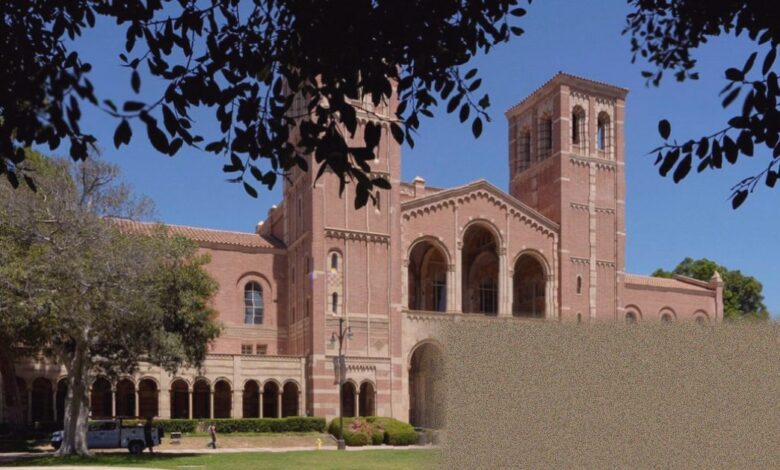
The US Department of Justice has launched a major lawsuit against the University of California, Los Angeles, alleging the institution permitted a hostile work environment for Jewish and Israeli staff to take root and persist on campus in the wake of the 7 October Hamas attacks and the war in Gaza.
The federal suit, filed on Tuesday, claims UCLA violated Title VII of the Civil Rights Act by failing to prevent and correct discriminatory and harassing conduct. It stems from complaints filed by UCLA professors with the US Equal Employment Opportunity Commission. The Justice Department alleges a litany of incidents, including Jewish individuals being denied access to parts of campus, assaults on Jewish professors, and swastikas being graffitied on university buildings. It further claims numerous Jewish and Israeli employees felt forced to take leave, work remotely, or even leave their jobs entirely to avoid the hostile climate.
A Broader Political Battle
This legal action represents the latest escalation in a sustained campaign by the Trump administration against American universities, and underscores the president’s ongoing feud with Democratic-led states, particularly California. Since taking office, the administration has launched investigations, filed lawsuits, and frozen federal grant funding to institutions across the country, citing issues from diversity initiatives to transgender policies.
“Based on our investigation, UCLA administrators allegedly allowed virulent anti-Semitism to flourish on campus, harming students and staff alike,” Attorney General Pam Bondi said in a statement accompanying the lawsuit.
However, the path to this lawsuit has been contentious. In December, nine Justice Department attorneys told the Los Angeles Times they felt pressured by Trump administration political appointees to accuse the University of California of discrimination against Jewish students and faculty prematurely. “The political appointees essentially determined the outcome almost before the investigation had even started,” said Jen Swedish, a former DoJ lawyer who worked on a case against UCLA. Some of these attorneys reportedly resigned over the matter.
A Pattern of Legal Action at UCLA
The campus has become a focal point for litigation concerning the conflict in Gaza and allegations of discrimination from multiple sides. This new federal case follows several other high-profile lawsuits.
Just last July, UCLA agreed to pay $6.5 million to settle a lawsuit brought by Jewish students and a professor who said the university allowed antisemitic discrimination. In that settlement, the university admitted it had “fallen short”.
Conversely, the university is also facing legal action from pro-Palestinian protesters. In April 2024, demonstrators filed a suit alleging civil rights violations, wrongful arrests, and excessive force by police and counter-protesters. In October 2024, four individuals arrested during those protests separately sued UCLA, alleging violations of their First Amendment rights.
The Trump administration had previously attempted to leverage federal funding against the university. Last summer, it demanded UCLA pay a $1 billion fine related to a pro-Palestine encampment in order to have over $500 million in suspended grants restored. A judge blocked the move, stating the administration had a “playbook of initiating civil rights investigations” to force universities “to change their ideological tune”. The administration later dropped its appeal of that court order.
Leading the latest Justice Department action is Harmeet K. Dhillon, assistant attorney general of the civil rights division. “The litany of vile acts of antisemitism that allegedly took place, and continue to take place, at UCLA are, if found to be true, a mark of shame against the University of California,” Dhillon said. Dhillon, formerly the vice-chair of the California Republican party, founded a law group that sued the state over its newly redrawn congressional map in November.
UCLA did not immediately respond to a request for comment on the new federal lawsuit.