A rare opportunity to explore one of the City of London’s most singular and historically resonant buildings has been announced, with new dates released for tours and afternoon tea at the elegant Watermen’s Hall.
The hall, located on the cobbled street of St Mary at Hill just minutes from Monument tube station, will open its doors to the public on Monday 20th April, Thursday 21st May, and Thursday 18th June 2026. The event begins with an optional tour at 1pm, followed by reception drinks from 2pm and a traditional afternoon tea, with guests welcome to stay until 4pm. Tickets are priced at £48.
A Hall Like No Other
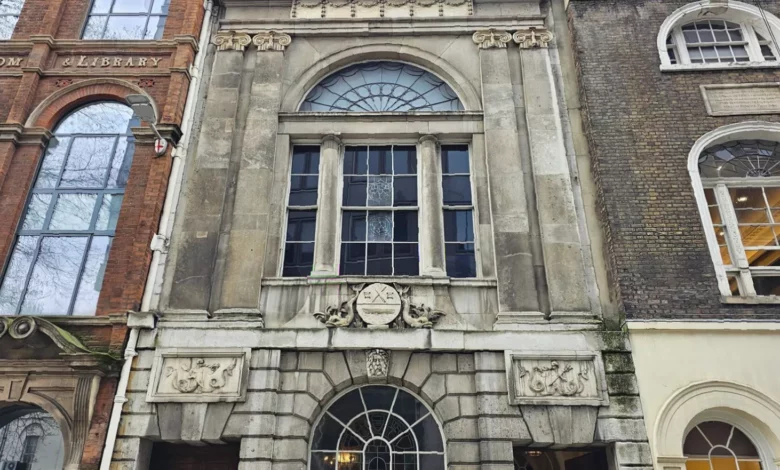
What makes this occasion particularly special is the venue itself. Completed in 1780 to a design by architect William Blackburn, Watermen’s Hall holds a unique distinction: it is the only original Georgian hall remaining in the City of London. Unlike the grander livery halls, it is noted for its almost domestic 18th-century scale and elegant neo-classical frontage, giving it an intimate and comfortable atmosphere.
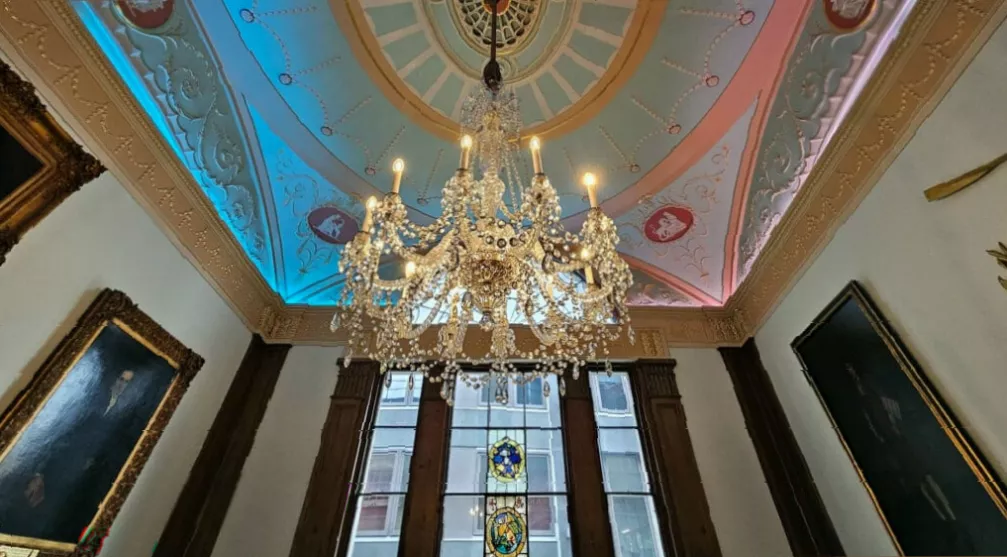
The hall was purpose-built for its long-term occupant, the Company of Watermen and Lightermen of the River Thames, after their previous rented mansion was destroyed in the Great Fire of London. The current structure was extended in 1983 to add the Freemen’s Room for dining and events, blending seamlessly with the original Court Room, Silver Room, and Parlour. Today, the hall is also a venue for hire for conferences and private dining.
Steering London’s History
The true richness of a visit lies in the deep history of the Company that calls it home. Established by an Act of Parliament in 1514, the Company of Watermen and Lightermen was created to regulate the vital river traffic of the Thames. Its members performed two key roles: Watermen, who carried passengers in small boats known as wherries, essentially serving as the river’s original taxi drivers; and Lightermen, who transferred cargo from large ships to shore, making them “lighter.” The Company acted as a guild, combining the functions of a trade union and a business association.
Formally established with appointed rulers in 1555, the Company saw lightermen join its ranks in 1700. It gained independence from royal appointment through a further Act of Parliament in 1827. While it no longer holds direct regulatory power, the modern Company remains active, organising apprenticeships, lobbying on river issues, and participating in historic City ceremonies. It is officially a “company without livery,” a significant historical status meaning it does not participate in the election of the Lord Mayor or Sheriffs, though it maintains strong ties to the City’s civic life.
A lecture scheduled at the hall for 18 May 2026 hints at the more colourful past of its members, promising to explore the 18th-century reputation of Thames watermen for “impure morals and loose conduct,” including bad language and scandalous behaviour.
The hall’s architect, William Blackburn, was a leading prison designer of the Georgian era and also served as surveyor to St Thomas’ and Guy’s Hospitals. He died in 1790 while travelling to consult on prison plans. Inside, visitors can find displays depicting London’s famous Frost Fairs, the carnivals held on the frozen Thames in centuries past.
The surrounding area layers history upon history. St Mary at Hill, a winding street rising steeply from what was Billingsgate Quay, is home to the church of St Mary-at-Hill, restored by Sir Christopher Wren after the Great Fire. The modern 20 Fenchurch Street skyscraper, known as the Walkie-Talkie, now towers above. The nearest Underground station, Monument, opened in 1884 and its recently restored 1930s Art Deco pedestrian subways offer their own historical journey.
The afternoon tea itself is a nod to a British tradition popularised in the 1840s, now enjoyed as a leisurely treat. At Watermen’s Hall, it serves as both a pleasant indulgence and a gateway to centuries of London’s social and commercial history, all flowing from the river at its doorstep.