The Bank of England has confirmed a fundamental redesign of Britain’s banknotes, ending a half-century tradition of honouring historical luminaries in favour of celebrating the nation’s wildlife. The move, announced on 11 March 2026, follows a public consultation and marks the most significant shift in the visual identity of sterling since historic figures first appeared alongside the monarch.
Public Backing for a Natural Theme
The decision is rooted in public opinion. A consultation held in July 2025, which garnered over 44,000 responses, found 60% backed ‘nature’ as the theme for the next series. This narrowly outpaced ‘architecture and landmarks’ at 56%, while ‘historic figures’ trailed at 38%. The Bank of England has stated a further consultation this summer will invite nominations for specific animals, plants, and landscapes, with a panel of wildlife experts assisting in creating a shortlist. The final selection, however, will rest with the Bank’s Governor, a safeguard against potential humorous public submissions.
While the reverse of the notes will transform, the portrait of King Charles III will remain on the obverse. The Bank also confirmed the designs would aim to represent all four Home Nations. Notably, household pets have been explicitly excluded from consideration.
Security and a Sidestep from Controversy
Beyond aesthetics, a primary driver for the new series is enhanced security. The Bank of England has indicated that intricate wildlife imagery is particularly well-suited to integrating advanced counterfeit-resilient features, a practical consideration often overlooked in the ensuing debate.
Yet, the shift is widely perceived as a strategic retreat from the culture wars that now surround historical commemoration. The Bank’s own guidelines mandate avoiding “divisive” imagery that could exclude any group. After a decade marked by campaigns like Rhodes Must Fall and the toppling of statues such as Edward Colston’s, officials appear to have opted for the safer neutrality of nature. As the BBC noted, Bank bosses may feel they are “less likely to face a backlash” with wildlife.
This is not a uniquely British dilemma. In the United States, plans to replace President Andrew Jackson – a slave owner who pursued policies of ethnic cleansing – with abolitionist Harriet Tubman on the $20 bill have been repeatedly delayed by political contention, highlighting the fraught nature of such symbolic changes.
Backlash from the Right and Disappointment from Campaigners
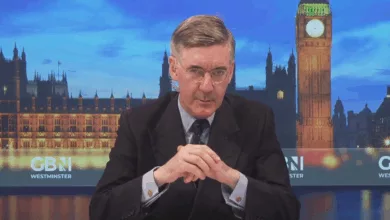
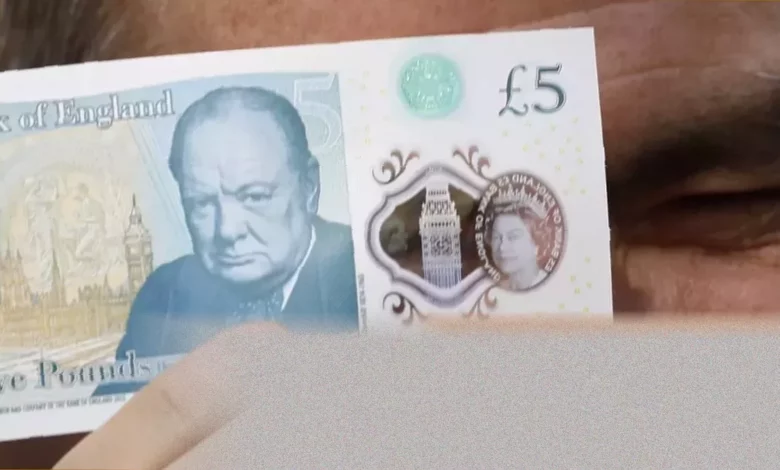
The announcement has provoked immediate criticism from some quarters. Reform UK’s Nigel Farage labelled the move “the definition of woke,” posting a video expressing fury at the prospect of Winston Churchill being “replaced with a picture of a beaver.” Similar concerns were voiced by Conservative MP Tom Tugendhat and financial commentator Matthew Lynn, who lamented the end of a “proud tradition of honouring our greatest Brits.”
However, criticism also comes from those who argue the Bank is ducking a necessary conversation about diversity. Professor Patrick Vernon OBE, a social justice campaigner, said the decision would be “deeply disappointing” to thousands who have campaigned for greater representation. He noted that no Black or ethnic minority historical figure has ever featured on a Bank of England note, despite campaigns like ‘Banknotes of Colour’ advocating for figures such as Mary Seacole, the British-Jamaican nurse.
“It sends a troubling message,” Professor Vernon stated, “that the institution would rather feature a fox or a flower than confront Britain’s diverse human story.” Liberal Democrat leader Ed Davey also expressed reservations, suggesting Churchill “deserves better than being replaced by a badger.”
A Break with a Relatively Short Tradition
Despite the fervour of the debate, the tradition being overturned is younger than many assume. While cash usage has declined, it remains a significant payment method. Historical figures only began appearing on Bank of England notes in 1970. Prior to that, notes primarily featured the monarch and the allegorical figure Britannia; Queen Elizabeth II first appeared on a note as recently as 1960.
Furthermore, wildlife on British currency is not unprecedented. The Royal Bank of Scotland’s current ‘Fabric of Nature’ series features Atlantic mackerel, otters, red squirrels, and ospreys. Internationally, the trend is also recognised: the Bermuda $5 note, featuring King Charles alongside blue marlin and dolphins, won the International Bank Note Society’s Bank Note of the Year award for 2024.
The new Bank of England notes are not expected to enter circulation for several years. When they do, they will present a very different vision of British identity—one that chooses the allegedly uncontested beauty of nature over the complex, and often contentious, tapestry of human history. Whether this is seen as a pragmatic embrace of the natural world or a failure to engage with the nation’s full story will likely depend on who holds the note.