Andy Burnham is considering a £3.5bn tax break for young people, with allies of the prime-minister-in-waiting revealing a potential plan to exempt under-25s from paying income tax for the first three years of full-time employment.
The proposal, which has been discussed with close advisers, is designed to help young people build up savings for a house deposit, addressing what one Labour MP close to Mr Burnham described as a “major offer” covering education, employment, tax, public transport and rent to buy.
Under the mooted scheme, a young person entering the workforce would pay no income tax on their earnings for 36 months, effectively giving them a significant boost to disposable income during the crucial early years of their career. The move is intended to help them qualify for a mortgage by accumulating a deposit more quickly, a hurdle that has pushed the average age of a first-time buyer in the UK to 34, according to the Skipton Group’s annual home affordability index published in March. In London the average age climbs to 35.
“Obviously one of the issues about accessing mortgages is that many young people just cannot save for a deposit to get one. This could help break the logjam,” a close ally who has helped shape the policy told The Independent.
But the plan has drawn warnings from tax experts. Dan Neidle, a prominent tax specialist, cautioned that the £3.5bn cost would need to be explained and that the policy risked creating loopholes. “Parents would attempt to divert their earnings through their children so they wouldn’t have to pay income tax either,” he said. Mr Burnham would also need to set out how the government would raise the money, Mr Neidle added.
The income tax exemption is part of a wider package that includes help with rent to buy. Under such schemes, tenants can rent a property at a reduced rate with the option to purchase it later, mirroring existing initiatives such as the London Living Rent. The policy aims to give young people a route onto the property ladder amid a stark generational wealth gap: while around 74 per cent of baby boomers own their own home, less than 5 per cent of Generation Z do.
Transport and education: a twin-track offer
Alongside the tax relief, Mr Burnham is considering rolling out the Greater Manchester public transport scheme – known as Our Pass – across England. Since 2019, 16- to 18-year-olds in Manchester have been able to travel free on buses and trams after buying a travel card for a £10 administrative fee. Last year the scheme was extended to offer half-price travel for 18- to 25-year-olds, making it easier for them to attend interviews and travel to work.
Mr Burnham has previously highlighted the prohibitive cost of rail travel for young people, noting that a peak anytime return fare from Manchester to London costs £369.40 – more than return flights from Manchester to India (£343), Jamaica (£345), Brazil (£325) or the Ivory Coast (£319). In his acceptance speech after winning the Makerfield by-election, he said: “We do need to bring down water bills, energy bills, rail fares, just as we’ve brought down bus fares in Greater Manchester, to make life more affordable for people.”

On education, Mr Burnham has set out plans to reform a system he says is “overly focused on the university route”. He told Andrew Marr on LBC: “Too many young people get to year 10 at school and they can’t see where school is taking them because the system isn’t focusing on those young people.” He is proposing a guarantee of a work placement for 16- to 18-year-olds and an apprenticeship for every young person who wants one, arguing this would also bring down the welfare bill more effectively than cutting benefits. “I’m not going to go with the crude cuts to benefit levels that then just put people who are struggling in even worse poverty,” he said.
The number of young people not in education, employment or training (NEET) has risen above one million in early 2026, and Mr Burnham has committed to tackling the problem, departing from previous Labour orthodoxy. He has already set a “Makerfield test” for changing the state to help those who have previously been ignored.
Financial constraints and the search for a chancellor
While Mr Burnham’s proposals are ambitious, the fiscal landscape he would inherit is tight. Sir Keir Starmer, who announced his resignation last week, has left a £4.7bn gap in defence spending plans where the money must be found. Barclays has also noted this defence funding shortfall.
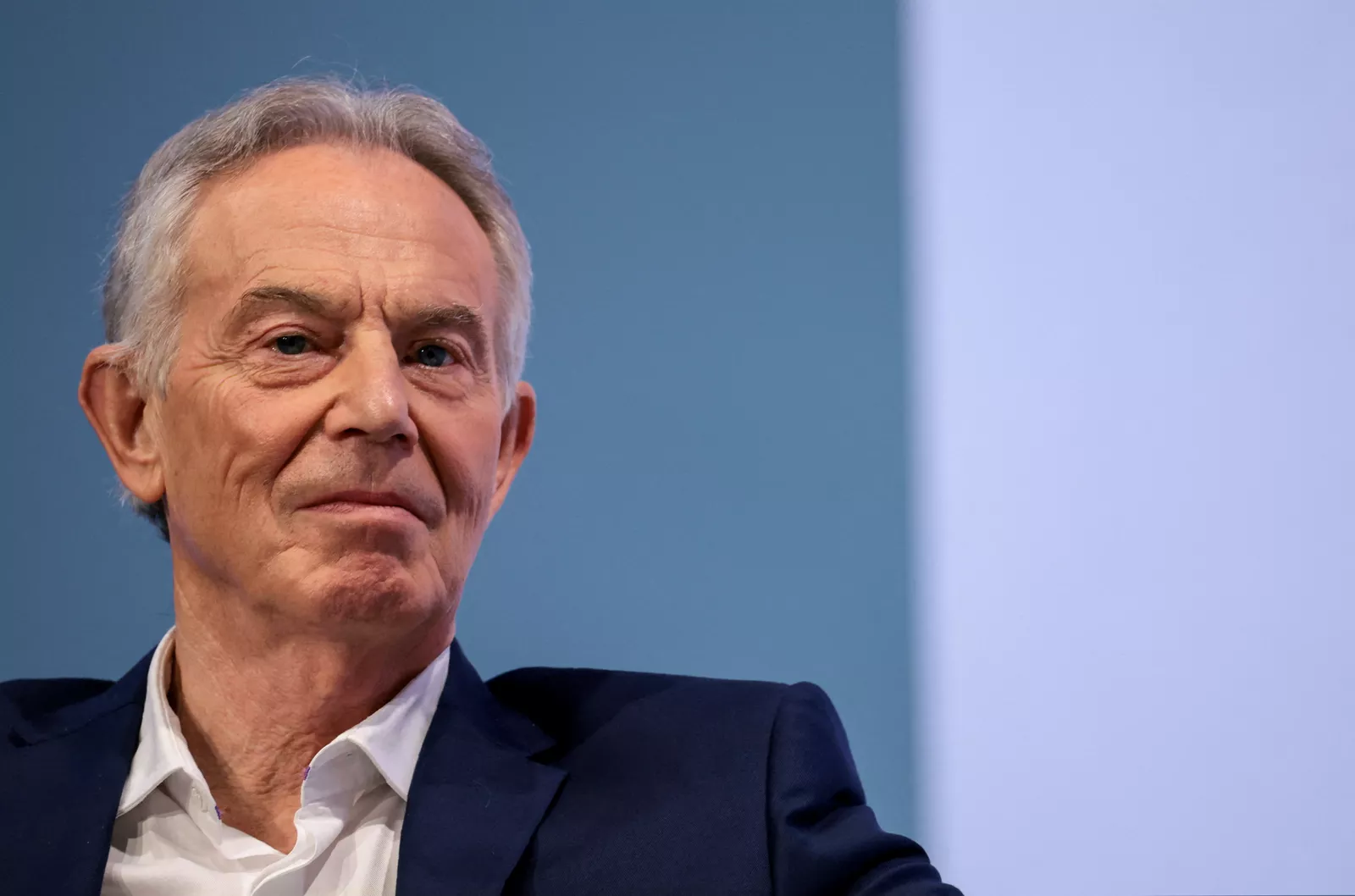
Mr Burnham has committed to not changing Rachel Reeves’ borrowing rules and to sticking to Labour’s 2024 election manifesto pledge of not raising VAT, income tax or personal national insurance contributions. He is instead looking at a tax raid on companies such as Amazon which rely on massive warehouses. The Tony Blair Institute has meanwhile called for an end to the triple lock protection on the state pension – which increases by the highest of inflation, earnings growth or 2.5 per cent – to divert support to younger generations. “Britain’s state pension system was built for a different era. We can’t keep pouring money into a system that is increasingly unaffordable,” the TBI argued. Mr Burnham has yet to say whether he would stick with the triple lock.
The choice of chancellor will be crucial in shaping his economic agenda. Mr Burnham admitted on LBC on Thursday night that he has yet to choose a candidate, with energy secretary Ed Miliband, former health secretary Wes Streeting and chancellor of the Duchy of Lancaster Darren Jones emerging as frontrunners. City figures have voiced unease about the uncertainty. Mike O’Shea, chief executive of investment firm Premier Miton, which manages £9bn of client money, told The Telegraph: “I think the sooner we get clarity on plans, I think the better for the business community.”
Mr Burnham has promised to end 40 years of economic policy orthodoxy on “trickle down” liberal economics, vowing: “I am going to do things differently.” The Independent has contacted his office for further comment.