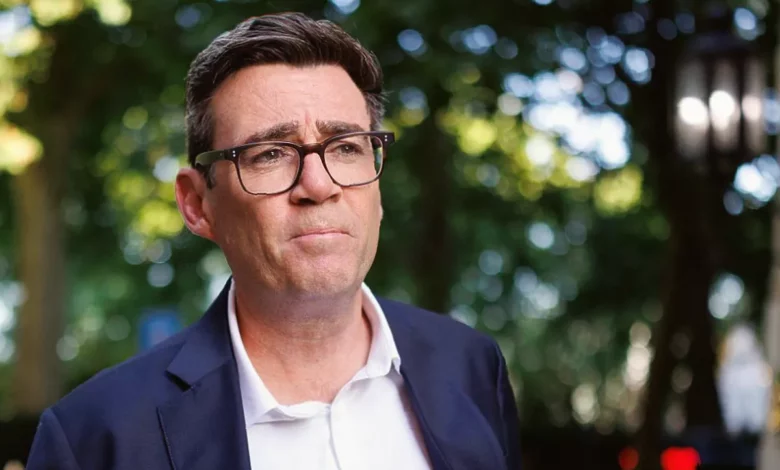
Andy Burnham’s policy agenda, combined with the financial shortfalls he inherits from Sir Keir Starmer’s government, is projected to land British taxpayers with a bill exceeding £250 billion — enough, according to analysis by Guido Fawkes, to fund 500 Greater Manchester mayoral elections.
The single largest expense stems from Mr Burnham’s ambition to bring water companies into public ownership. Whitehall estimates put the cost of nationalising the water sector at £100 billion. The figure, which dwarfs every other commitment on the likely next prime minister’s list, reflects the compensation required to acquire the assets and debt of England’s regional water monopolies. Mr Burnham has argued that public ownership is necessary to tackle sewage discharges and improve infrastructure, but the price tag has drawn sharp criticism from Conservative opponents who warn of a “tax bombshell” for ordinary households.
Housing represents the second major line item. Mr Burnham has pledged to build 40,000 new council homes each year — the most ambitious such programme since the postwar era. The annual cost is estimated at between £8 billion and £13 billion. This would fund construction, land acquisition, and associated infrastructure, though the total over a full parliament would run into tens of billions.
Further pressure on the public purse comes from a potential reversal of Rachel Reeves’s National Insurance Contributions tax changes. Mr Burnham is reportedly considering undoing the former Chancellor’s raid, a move that would cost taxpayers between £16 billion and £25 billion every year. On top of that, restoring bus fare caps — a policy Mr Burnham has championed in Greater Manchester, where the £2 cap has been maintained for several years — is estimated at between £150 million and £250 million annually. There are also plans to freeze fares in 2026 and to remove the 9:30 am rule for older and disabled passengers’ free bus passes, adding an estimated £2 million to £5 million to the annual bill.
Beyond these headline commitments, Mr Burnham has reportedly backed a campaign by his transition policy chief to increase benefits spending by £90 billion — potentially by replacing Universal Credit with a “National Living Income” that would abolish benefit caps and sanctions. The scale of that proposal alone would significantly add to the long-term fiscal burden.
Mr Burnham’s financial planning also faces an unexpected hole. The Defence Investment Plan (DIP) announced by Sir Keir Starmer on June 30 totals £298 billion over four years, with an additional £15 billion committed. The plan aims to lift defence spending to 2.7% of GDP by 2027/28 and to maintain it there until 2029, with a further commitment to reach 3% in the next Parliament and 3.5% by 2035 — the highest proportion spent on defence since the 1990s. Investments include £11.1 billion for munitions, £3.2 billion for space capabilities, and £64 billion for the nuclear deterrent. However, the plan contains a funding gap of approximately £4.7 billion. Sources suggest Mr Burnham was not informed of this shortfall during initial briefings, meaning he will likely have to address it in his first Budget as prime minister.
Leadership and media avoidance
Despite the enormous costs attached to his agenda, Mr Burnham has indicated he will not seek a fresh mandate from voters. During a Reddit Ask Me Anything session on Friday evening, he confirmed he would not call an early general election if he enters Downing Street. “No. As I said in my speech on Monday, I’m going to work to the 2024 manifesto,” he stated. He has also reaffirmed Labour’s 2024 election promises not to raise income tax, VAT or personal national insurance contributions, and has committed to maintaining the state pension triple lock, which economists and think tanks have labelled unsustainable.
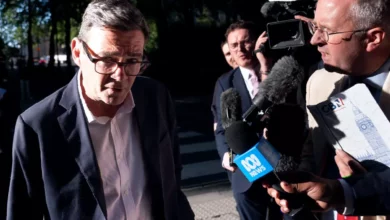
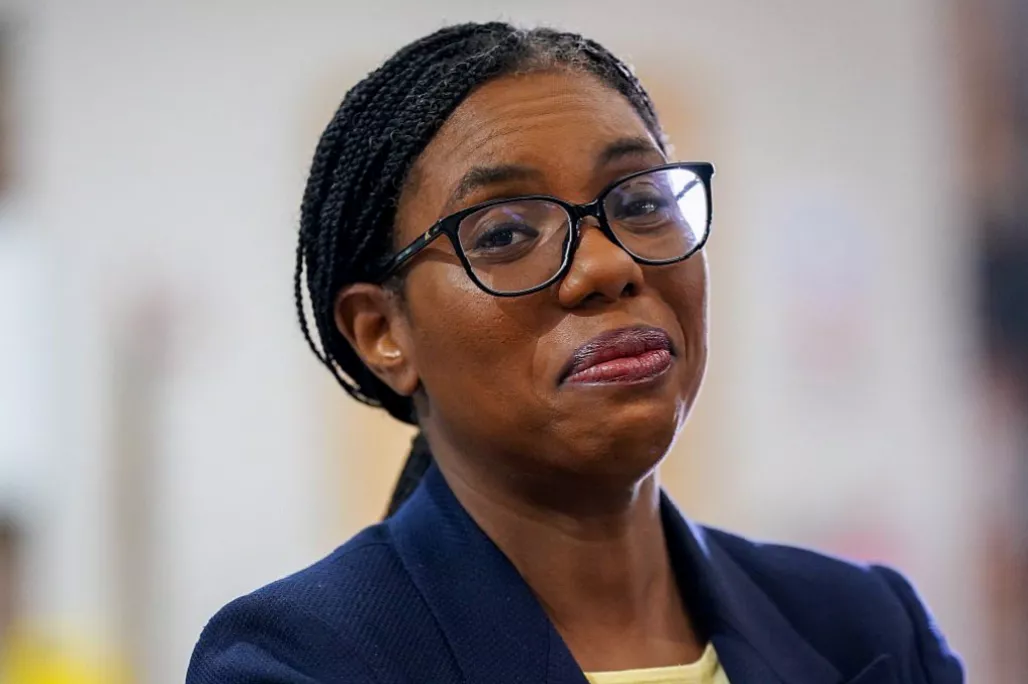
However, the likely next prime minister has faced criticism for avoiding traditional media scrutiny. Since Sir Keir announced his resignation on June 22, Mr Burnham has given just one interview — to LBC on Thursday. Conservative leader Kemi Badenoch took the unusual step of posting directly on Reddit to challenge him. “Whilst you’re answering softball questions on Reddit, I’ve been in Yorkshire answering questions from the press,” she wrote, accusing him of “running away from being asked questions” by journalists. She demanded he “come out from hiding, face a proper press conference and submit yourself to scrutiny and some tough questions.”
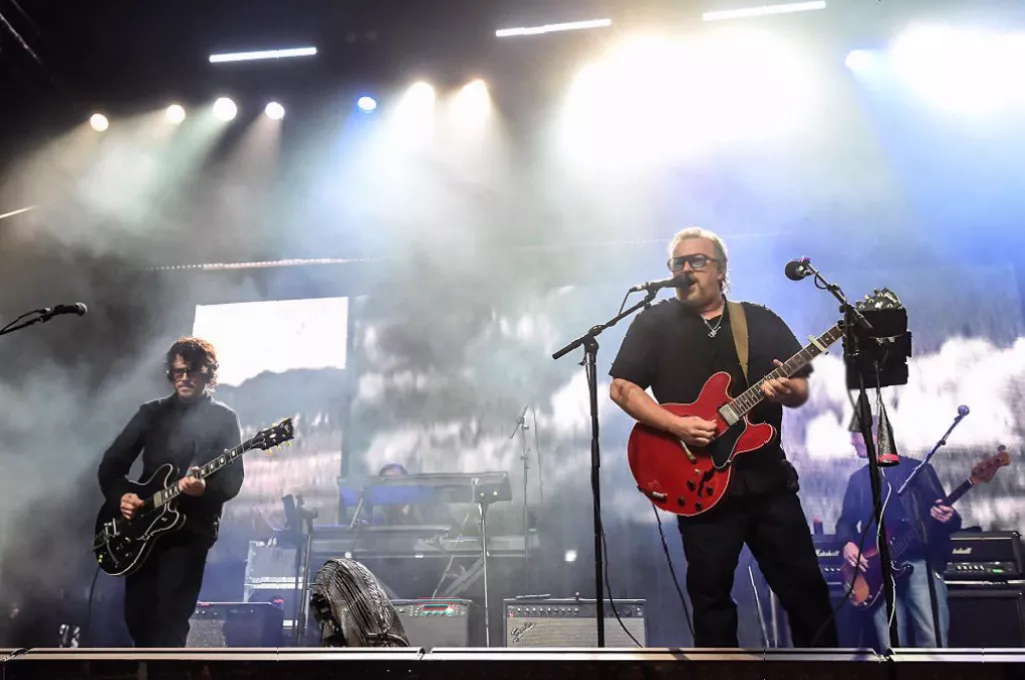
Mr Burnham responded on the platform: “Fair challenge, Kemi but don’t forget it’s only two weeks since I faced questions from 74,000 members of the public in Makerfield!” He later revealed that his favourite films are Goodfellas, The Big Short, Brassed Off and Pride, and that he is currently listening to Wilmslow-based indie rock band Doves.