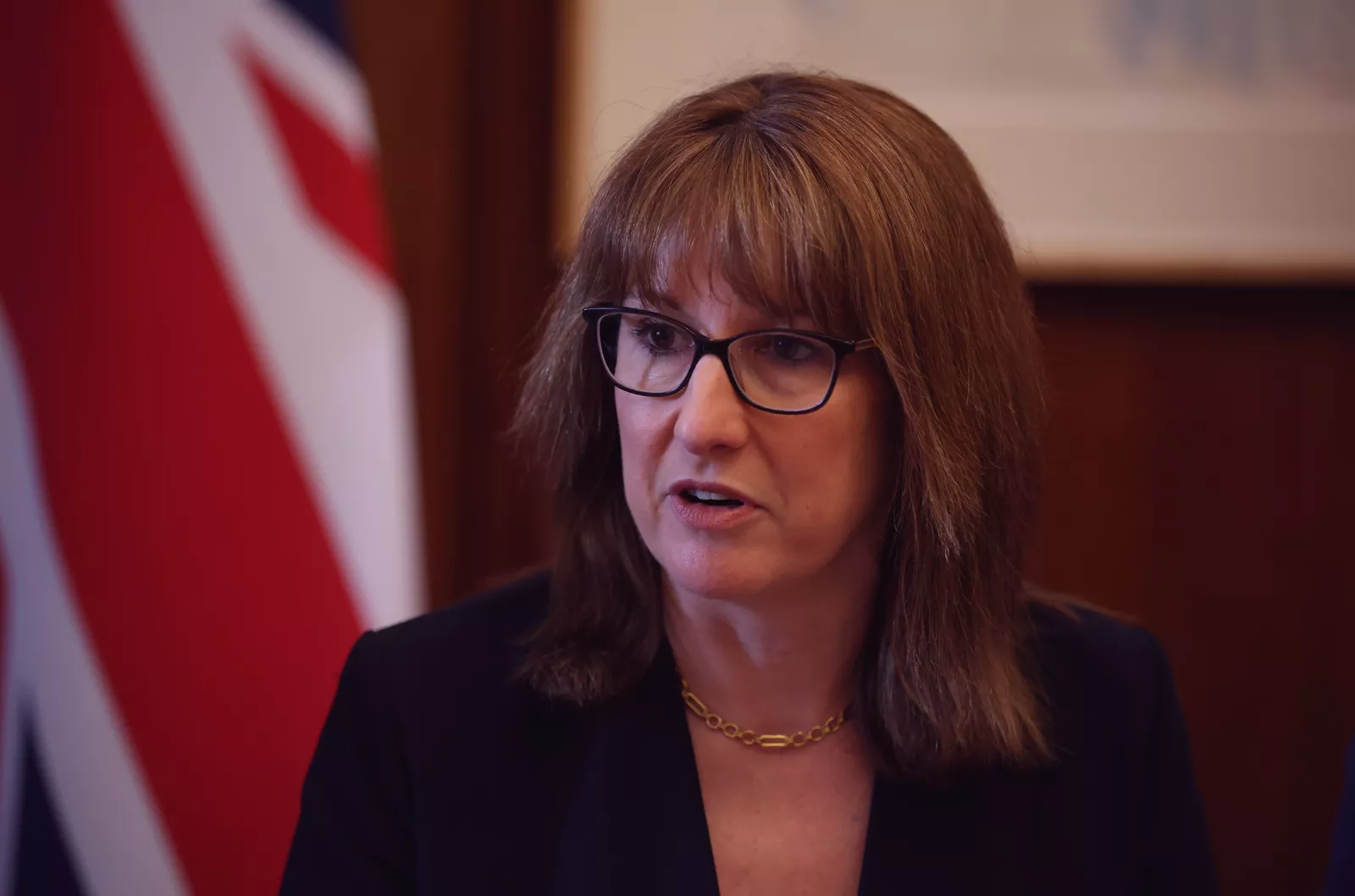
Chancellor Rachel Reeves has made clear she is strongly disinclined to raise taxes again to fund a sustained increase in defence spending, arguing that the government’s focus must be on ensuring existing money is spent effectively rather than simply on the total sum.
Speaking at an International Monetary Fund summit in Washington DC, the Chancellor said her two budgets had already increased taxes “substantially” and stated “I would prefer not to have to do that again”. She also ruled out additional government borrowing, noting that conflict in the Middle East had already driven up the cost of servicing the national debt, on which the UK already spends one in every ten pounds of public expenditure.
The Defence Spending Uplift
Ms Reeves defended her record, insisting she had “provided the biggest uplift of defence spending since the end of the Cold War” and that the NHS and defence budgets were the biggest beneficiaries of her last spending review. This increase was realised in part by reallocating money from the overseas development budget. The UK is committed to raising defence spending to 2.5% of GDP by 2027, with an ambition to reach 3% in the next Parliament and the NATO-agreed target of 3.5% by 2035. In 2024-25, spending stood at 2.3% of national income.
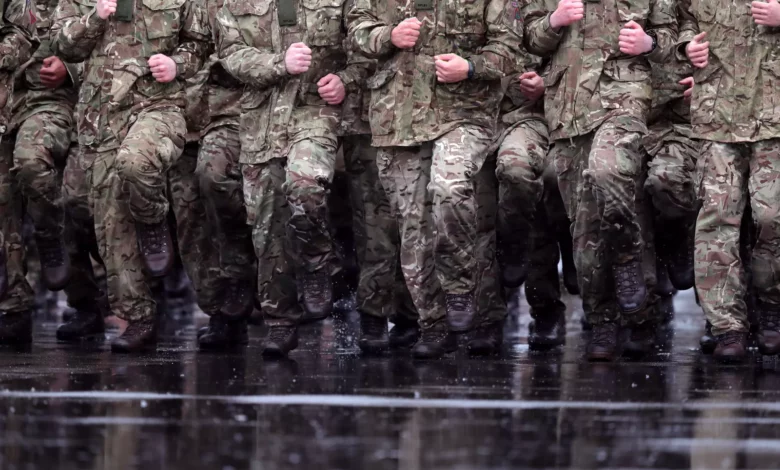
However, this follows a period of sustained decline. Defence spending as a share of GDP had been falling for decades before recent commitments, with real-terms spending dropping by 22% between 2009/10 and 2016/17 before rising again. Military leaders have warned of a £28 billion funding gap over the next four years, and years of underinvestment have led to concerns about the armed forces being “hollowed out”.
Spending Effectively, Not Just Spending More
The Chancellor’s central argument is that the “quantum” of cash is less critical than its application. “What is more important is how that money is spent and whether it is meeting the defence needs that we have as a country,” she said. The government is currently working through a ten-year defence investment plan to direct funding.
How the defence budget is allocated reveals significant strategic shifts. There is a clear trend of increasing spending on major equipment, including the nuclear deterrent, while the share spent on personnel has declined. In 2023-24, around half of the UK’s equipment spending was devoted to the nuclear programme. It is also important to note that the defence spending figures often cited use the NATO definition, which is broader than the Ministry of Defence’s own budget, including items like military pensions and UN peacekeeping contributions.
To fund the increases, the government has decided to reduce Official Development Assistance spending to 0.3% of Gross National Income by 2027, a move criticised by campaigners who argue it harms the world’s poorest and weakens UK influence.
Internal Pressure and Strategic Review
The Chancellor’s stance comes amid direct criticism from within her own party. Former defence secretary and NATO chief Lord Robertson of Port Ellen, who is leading the government’s Strategic Defence Review, has accused the Treasury of “vandalism” and the government of “corrosive complacency” on military funding. He has starkly warned that Britain is “under prepared, we are underinsured, we are under attack. We are not safe,” and controversially stated that “We cannot defend Britain with an ever-expanding welfare budget.”
Launched in July 2024, the Strategic Defence Review is examining the international security landscape and the capabilities needed by the armed forces. It is expected to report in the first half of 2025 and will inform Labour’s planned defence industrial strategy, which aims to align security and economic priorities.
The Economic Backdrop Constraining Choices
The Chancellor’s reluctance to borrow or tax more is framed by a deteriorating economic outlook, significantly influenced by global conflict. The International Monetary Fund has warned that a further escalation of the Iran war could trigger a global recession, with the UK being particularly vulnerable among G7 nations.
The conflict has disrupted oil and gas supplies, pushing up prices and is expected to increase inflation and household energy bills in the UK. Consequently, the IMF has cut its UK growth forecasts for 2026, delivering the sharpest downgrade among G7 countries. Previously anticipated interest rate cuts by the Bank of England are now unlikely, with hikes a possibility.
This shapes the Chancellor’s broader fiscal approach. The UK’s overall tax burden is projected by the IMF to rise to 42.1% of GDP by 2030, up from 37.6% in 2024, a rise attributed largely to Labour’s spending plans. While the party has pledged not to raise income tax, National Insurance, or VAT, the freezing of tax thresholds acts as a “stealth tax” pulling more people into higher bands. The debate over how to fund long-term defence needs, while navigating these economic pressures and internal party concerns about protecting welfare, remains unresolved.