A group of Chagossian people, defying a government order to leave their ancestral islands, have become the focal point of a legal and diplomatic storm engulfing the Prime Minister, with lawyers set to argue that the UK’s policy amounts to a crime against humanity.
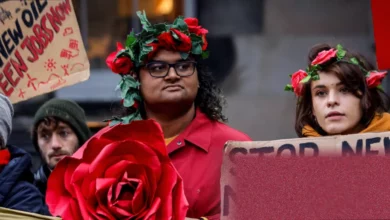
The case, scheduled for a hearing on 13 March, represents a direct challenge to Sir Keir Starmer’s controversial deal to cede sovereignty of the Chagos Archipelago to Mauritius. It centres on four individuals, including the First Minister of the self-declared Chagossian Government-in-Exile, Misley Mandarin, who landed on Île du Coin in February to establish a permanent settlement. An interim injunction currently prevents their removal.
Their lawyer, James Tumbridge, will argue that forcing the Chagossian people to leave their indigenous homeland for a second time constitutes “a crime against humanity”. In legal submissions, he states the Chagossians have been in exile since being forcibly removed by British authorities from the mid-1960s until 1973, an act he describes as unlawful and a crime against humanity. The argument hinges on a shift in the UK’s position: where previous exclusion was justified on national security grounds related to the Diego Garcia military base, the new agreement with Mauritius itself provides for resettlement on the outer islands.
The legal papers refer to a communication submitted to the International Criminal Court (ICC) prosecutor by Swiss-based lawyer Elodie Tranchez, setting out the background and alleging the “crime against humanity of deportation” is being committed by the continued exclusion of the Chagossian people. Ms Tranchez has also submitted claims to the UN Committee for the Elimination of Racial Discrimination, noting that it is an offence under English and Welsh law to commit genocide, a crime against humanity or a war crime. One definition of genocide includes denying indigenous people access to their homeland.
This High Court judicial review alleges serious procedural failings, arguing the Foreign Office acted unlawfully by excluding Chagossians from decisions about their right of abode, resettlement, and territorial interests. The claimants contend consultation was a legal requirement, especially as the national security barrier to resettlement on the outer islands has fallen away.
The backdrop is a political agreement, signed on 22 May 2025, between the UK and Mauritius on the future of the archipelago. The UK government states this resolves the long-standing sovereignty dispute and secures the military base. It provides for Mauritius to exercise full sovereignty, with the UK retaining rights on Diego Garcia via a 99-year lease, for which it will pay Mauritius an average of £101 million annually. A trust fund for the benefit of Chagossians is also included, though some reports indicate a separate one-off payment of £40 million.
The deal follows an advisory opinion from the International Court of Justice (ICJ) in 2019, which stated the UK’s administration of the islands was unlawful and sovereignty should be returned to Mauritius. The UK, which separated the archipelago from Mauritius in 1965 to form the British Indian Ocean Territory, initially ignored the non-binding opinion but later entered bilateral negotiations.
Sir Keir has previously insisted he had “no choice” but to proceed due to the ICJ ruling, though critics note the UK has an opt-out on ICJ rulings regarding the Commonwealth. The plan, however, is currently on hold. US President Donald Trump is believed to have effectively vetoed the treaty, reportedly due to security concerns and intelligence suggesting Mauritius might be negotiating with China for a presence on the islands, which could compromise the Diego Garcia base.
Complicating the picture further, the Maldives has entered the fray. President Mohamed Muizzu asserts a stronger historical and legal claim to the Chagos Islands than Mauritius and has said he intends to legally challenge the treaty. A spokesperson for the Maldivian foreign ministry stated the government is “exploring our options” and conducting a comprehensive legal review. The dispute has heightened regional tensions, leading Mauritius to suspend diplomatic relations with the Maldives, which has also challenged a 2023 International Tribunal for the Law of the Sea ruling on the maritime boundary between the two states.
For the Chagossian people, the core issue remains the right to return. Human Rights Watch has described the original eviction to make way for the UK-US base as “crimes against humanity”. The 2025 treaty allows for resettlement on all islands except Diego Garcia itself, a provision that has drawn concern from the UN Committee on the Elimination of Racial Discrimination regarding its impact on cultural rights. The group currently on Île du Coin, accompanied by former MP and critic of the deal Adam Holloway, is testing that framework directly.
A Foreign Office spokesperson said: “We do not comment on ongoing legal proceedings. As we have stated previously, there is no right for anyone, regardless of their citizenship or heritage, to enter the islands without a valid permit or exemption… The UK government recognises the importance of the islands to Chagossians, and we have made clear our regret for the manner in which they were removed from the islands in the past. However, this stunt puts lives at risk and does not help anyone.” The government position is that the outer islands are not currently safe for habitation and that the agreement with Mauritius is the only viable route to resettlement.
With the High Court challenge, the Maldivian threat of action, and American intervention, Sir Keir Starmer’s attempt to settle a decades-old dispute has ignited multiple new fronts of conflict, placing the fate of the exiled Chagossians at the heart of an international impasse.