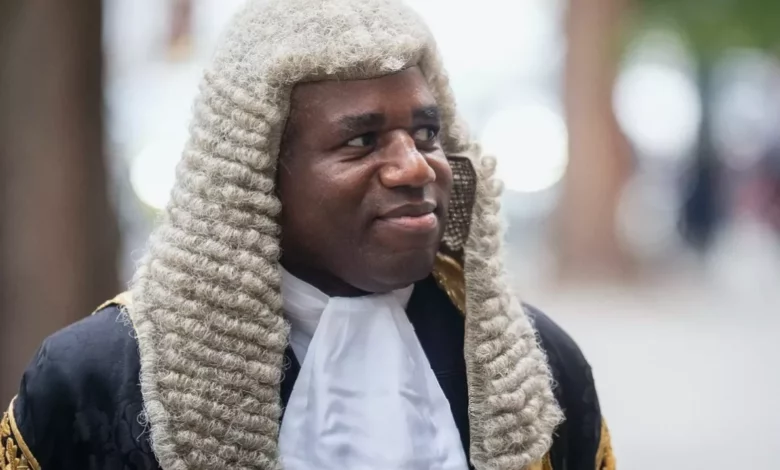
Justice Secretary David Lammy is facing a major rebellion from within his own party as he prepares to push through radical reforms to jury trials, warning Labour MPs that opposing the plans risks letting criminals walk free due to catastrophic court backlogs.
The core of the proposed reform, part of the Courts and Tribunals Bill returning to the Commons for its second reading, is stark: the right to a jury trial in England and Wales would be removed for cases where the convicted defendant faces a custodial sentence of three years or less. These cases would instead be heard by a single judge.
Mr Lammy’s argument, set out in an article for The Telegraph, is one of pragmatic modernisation in the face of a system he says is broken. He insists limiting jury service to the most heinous offences is essential to tackling a Crown Court backlog that has nearly doubled since 2019, now standing at close to 80,000 cases, with victims facing waits of up to five years. “To do anything else means tens of thousands more lives left hanging in the balance and criminals walking free as the system struggles to keep up,” he wrote, rejecting the notion that the plan is an “affront to the Magna Carta”.
A Mounting Rebellion
However, his position has sparked significant internal dissent. Around 80 Labour MPs have threatened to vote down the bill unless concessions are secured, with leading rebel and former Shadow Attorney General Karl Turner having gone so far as to threaten to trigger a by-election if the reforms pass. He has claimed Labour lawyers were “blocked” from briefing MPs on their concerns.
The scale of opposition extends far beyond the parliamentary party. More than 3,200 lawyers, including 300 senior barristers, wrote to Prime Minister Sir Keir Starmer this week to condemn the “unpopular, untested and poorly evidenced” plans. The Bar Council, along with hundreds of judges and lawyers, has also criticised the proposals as being based on “little evidence”, warning they risk “rough justice” and serious mistakes by prioritising speed over fairness.
Shadow Justice Secretary Nick Timothy has accused the government of an “unacceptable attack on an ancient right.”
Lammy’s Own Past Contradicts Current Stance
Adding potency to the criticism are Mr Lammy’s own past statements. In 2020, the Tottenham MP warned that “Criminal trials without juries are a bad idea. You don’t fix the backlog with trials that are widely perceived as unfair.” Furthermore, a 2017 report he authored stated that jury trials “act as a filter to prejudice.”
His current proposals bear similarity to, but differ from, recommendations in Phase One of the Independent Review of Criminal Courts led by Sir Brian Leveson, which was commissioned by his predecessor, Shabana Mahmood.

The Ministry of Justice defends the move by pointing out that over 90% of criminal cases are already heard without a jury in magistrates’ courts, which deal with summary offences. The reform would affect “either-way” offences. The MoJ estimates the changes could reduce demand on the Crown Court by nearly 20% by 2028/29.
Questions of Principle and Practicality
Critics argue the reform erodes a fundamental safeguard between the citizen and the state. While the Magna Carta’s Chapter 39 guarantee of “judgment of his peers” is often cited as the bedrock of jury trials, legal scholars note the link was forged centuries later and the charter did not institute the modern jury system. Nonetheless, it remains a powerful symbol of protection against arbitrary state power.
Practical analyses also question the efficacy of the plan. The Institute for Government has suggested the reforms will unlock only “relatively modest reductions in demand” and that projected savings are “highly uncertain”, with some analyses indicating judge-only trials might save less than 2% of Crown Court time. Furthermore, the IfG warns that shifting cases could create a 10-15% increase in demand on magistrates’ courts, which may struggle to cope, potentially simply moving the backlog.
There are also fears that broadening judge-only trials could disproportionately impact vulnerable people and those from minority backgrounds.

Political Maneuvering and a “Meaningful” Review
Amid the revolt, all eyes are on senior figures like former Deputy Prime Minister Angela Rayner, tipped as a potential future leader. An ally told The Independent she is “seeking reassurances on the changes” and is not automatically supporting the government, indicating her vote is not guaranteed.
In a bid to placate critics, Mr Lammy met with Mr Turner and other rebels last night. The Deputy Prime Minister promised a “meaningful” review period to scrutinise the reforms if they are approved. This concession is expected to lead Mr Turner to abstain in today’s second reading vote, which the government is still predicted to win. “You can lose the battle but win the war,” Mr Turner cautioned. “Let’s try and win the war.”
The wider government overhaul also includes plans to increase the use of artificial intelligence in courts to cut backlogs and a pledge to provide rape victims with free legal advice throughout the justice process.