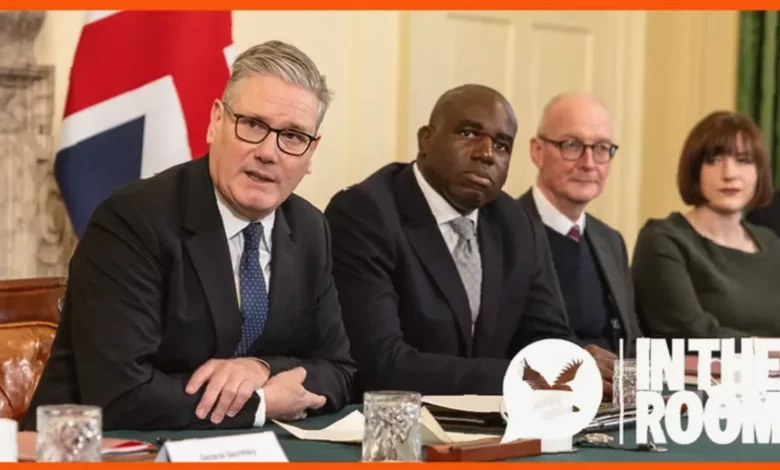
As tensions flare in the Middle East, with US and Israeli strikes on Iran prompting retaliatory action, the machinery of the British state grinds into its highest gear. Prime Minister Keir Starmer, like his predecessors in moments of international crisis, has been convening emergency COBRA meetings to coordinate the UK’s response, assess risks to nationals abroad, and navigate the precarious path of diplomacy.
For the public, COBRA is a familiar acronym evoking images of a shadowy war room. For those who have sat inside one, it is a unique and intense experience where national strategy is forged under extreme pressure. Few are better placed to explain its workings than Helen MacNamara, the former Deputy Cabinet Secretary whose career included being at the heart of government during the 7/7 London bombings.
The Engine Room of a Crisis
COBRA officially stands for Cabinet Office Briefing Rooms, a suite of secure facilities at 70 Whitehall. The ‘A’ has always been a source of mystery, even to insiders. It functions as the UK’s emergency response committee, formally known as the Civil Contingencies Committee, convened when a major crisis demands a coordinated, cross-government reaction.
Its origins lie in the 1970s, following a review of the government’s handling of the miners’ strike. The first meeting was held during the 1972 Munich Olympics hostage crisis. Since then, it has been activated for events ranging from the Iranian Embassy siege and the Salisbury poisonings to the COVID-19 pandemic and the recent 2026 UK riots. During Tony Blair’s premiership, its use became more frequent than ever before.
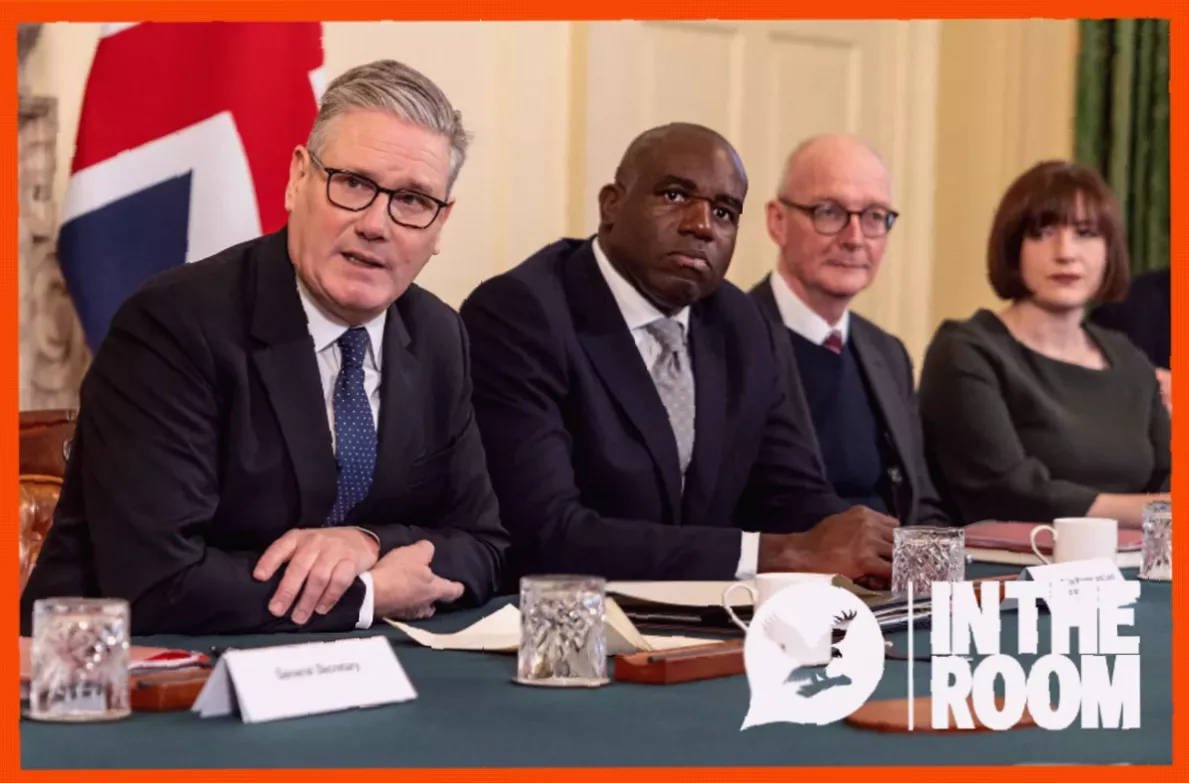
MacNamara, reflecting on her experience during the 7/7 attacks in 2005, has shed light on the intense, collaborative atmosphere that can develop under such pressure. The meetings themselves have no fixed attendance list; their composition is dictated by the crisis. Senior ministers, department heads, intelligence and security chiefs, and military officials gather to share information, make critical decisions, and ensure every arm of the state is pulling in the same direction. A key output is the Commonly Recognised Information Pattern (CRIP), designed to ensure all counter-terrorist and emergency responders work from an identical intelligence picture.
‘A Boy’s Club’ Atmosphere and a Prime Minister Who ‘Never Warmed’ to It
Beyond the procedural mechanics, MacNamara has provided rare insight into the human and political dynamics within these high-stakes environments. In evidence to the Covid Inquiry, she revealed that former Prime Minister Boris Johnson “never warmed” to emergency COBRA meetings, finding them outside his preferred working style and “not his territory.” It was reported that he skipped five such meetings at the pandemic’s outset.
She also highlighted a persistent “boy’s club” atmosphere in high-level political meetings, including COBRA, where she and other women were often in a small minority. This environment, she suggested, could sometimes see personal interests influence planning briefs. Her observations chime with a broader critique she and former Downing Street aide Cleo Watson have made about the physical infrastructure of power; they have argued that Number 10 and the Cabinet Office are “almost entirely unsuited” for crisis response, lacking proper facilities for a dedicated crisis centre.
The recent activation of COBRA in February 2026 underscores its continued role at the centre of gravity during international emergencies. Following US and Israeli air strikes on Iran, and subsequent Iranian retaliation, Prime Minister Starmer called a meeting to assess the security and diplomatic fallout. The UK government confirmed it was not involved in the initial strikes but was focused on the safety of UK nationals and preventing a wider regional conflict. The Ministry of Defence later confirmed British planes were involved in “coordinated regional defensive operations” in the Middle East in the wake of the escalation.
From the Munich siege to the pandemic and now to a volatile Middle East, COBRA remains the UK’s default setting for a crisis. It is a process designed to impose order on chaos, though as insiders like Helen MacNamara attest, it remains a human system, subject to the personalities, politics, and pressures of the moment.