The government is actively considering abandoning a planned increase in fuel duty this autumn, as the spiralling cost of the Middle East conflict threatens to reignite a severe cost of living crisis in the UK.
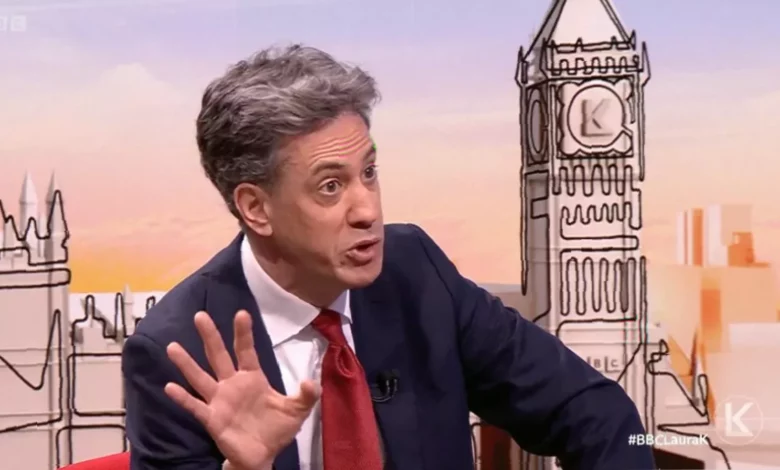
Energy Secretary Ed Miliband has signalled the potential policy reversal, stating the government will “stand by the British people in this crisis” and “do what it takes” to support them. The planned move would see the end of a 16-year freeze on the levy, including a temporary 5p per litre cut introduced in 2022, which is scheduled to expire in September.
A decision hanging on the duration of the war
When pressed on whether the freeze would be maintained, Mr Miliband indicated the final decision rests on the volatile geopolitical situation. “We don’t know how long this conflict is going to go on and therefore, with five months to go until September, we will have to see where we are, obviously,” he said.
Prime Minister Sir Keir Starmer has also confirmed the planned increase is “under review”. Chancellor Rachel Reeves, who had previously insisted the rise would proceed, has softened her stance, with sources indicating “nothing is off the table”.
The urgency of the decision is driven by stark figures on the forecourts and in wholesale markets. According to RAC Fuel Watch, diesel prices have risen by nearly 9% and petrol by 6% since late February. Underpinning this surge, wholesale gas prices leapt 67% and oil 35% in the two weeks to 12 March, with Brent crude breaking through $100 a barrel.
Global choke point sends shockwaves
This price spike originates from a critical maritime flashpoint. The Strait of Hormuz, through which around 20% of the world’s seaborne oil passes, has seen traffic effectively halted. Iran has threatened to “set fire” to any ships attempting passage, and commercial vessels have reportedly been targeted. Analysts project that prolonged disruption could send oil prices to between $130 and $150 a barrel.
For UK households, the consequences are twofold. While the Ofgem energy price cap for gas and electricity is fixed until June, analysts at Cornwall Insight forecast a potential 10% rise in bills from July if the conflict continues.
More immediately vulnerable are the approximately 1.5 million households, often in rural areas, which rely on heating oil. This fuel is not covered by the price cap, and its cost per litre has doubled since the crisis began, with some households seeing quotes to refill tanks almost triple. Chancellor Rachel Reeves has indicated targeted support for these households is expected to be announced next week, delivered via devolved governments and a crisis fund for England.
Government puts fuel industry “on notice”
Ministers have also moved to address accusations of profiteering. Chancellor Reeves and Energy Secretary Miliband have met with petrol industry representatives, warning against “unfair practices”. Ahead of the talks, Ms Reeves wrote to the Competition and Markets Authority (CMA), asking it to stay on “high alert” for “unjustifiable” price hikes for petrol, diesel, and heating oil.
The CMA has subsequently put fuel retailers “on notice”, stating it will examine industry margins and require firms to provide detailed revenue, cost, and sales data.
The Petrol Retailers Association, which represents independent retailers, initially hit back at ministers’ use of what it called “incorrect and inflammatory language” regarding “rip-off” pricing, arguing it led to abuse of forecourt staff. The group, however, later agreed to attend the government meeting.
The Treasury faces a difficult balancing act. Fuel duty, currently set at 52.95 pence per litre, raises over £26 billion annually. Scrapping the planned hike represents a significant fiscal decision, but one the government appears increasingly willing to make to shield the public from a crisis echoing the severe energy-led inflation of 2022.