The escalating conflict in the Middle East, involving Iran and disrupting the vital Strait of Hormuz, has sent shockwaves through global energy markets that are now hitting UK households and the public finances with full force.
Amid warnings that average annual energy bills could surge by £332 from July, the Labour government has been forced onto the defensive, with Environment Secretary Emma Reynolds insisting ministers will provide the “necessary support” to help people through the crisis.
Price surges at the pump and in the home
The immediate impact is being felt in steeply rising costs. Petrol prices have jumped almost 9% in three weeks to an average of 144.51p per litre, their highest in 18 months, while diesel has reached 166.24p. For households, the conflict has triggered a sharp rise in wholesale gas prices, with forecasts suggesting the typical annual dual-fuel bill could near £2,000 from summer—an increase of more than 20% in a single quarter.
Those in rural areas off the gas grid are particularly exposed. Families relying on heating oil, which is not covered by the energy price cap, have seen a 500-litre refill cost soar to over £600. In response, the government has announced a £53 million support package, with funding distributed across the UK: £27 million for England, £17 million for Northern Ireland, £4.6 million for Scotland, and £3.8 million for Wales.
However, this intervention has been criticised as insufficient. The First Minister of Northern Ireland described their allocation as a “slap in the face,” while fuel poverty campaigners have warned the package is “relatively limited” and may arrive too late.
Minister insists on support amid intense scrutiny
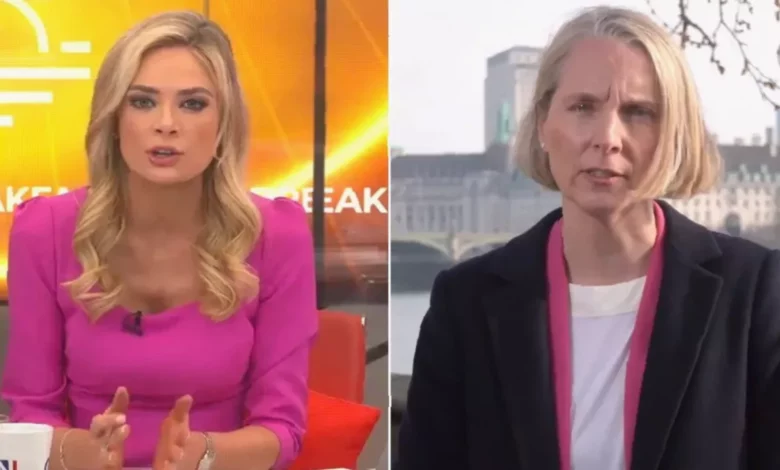
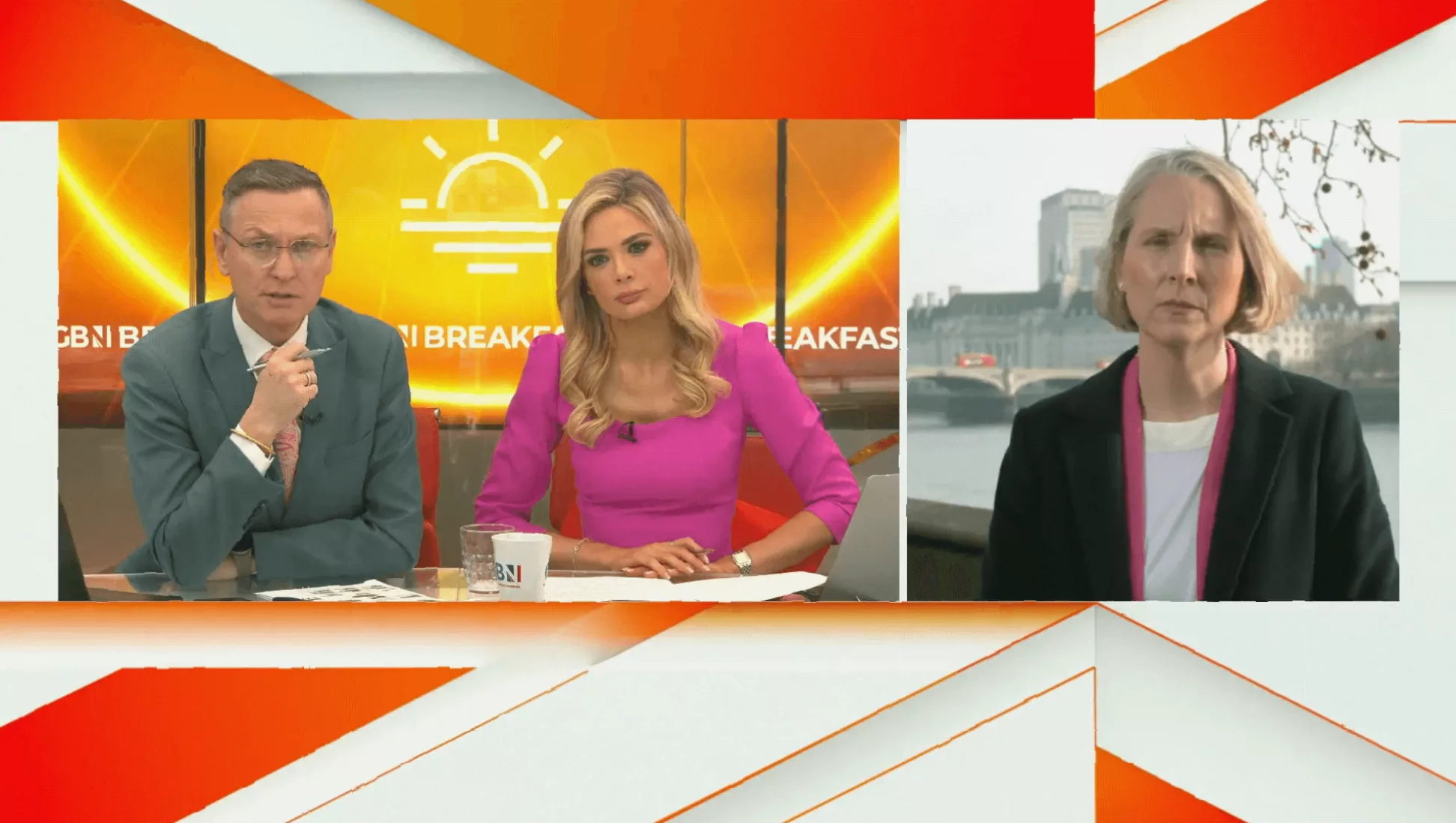
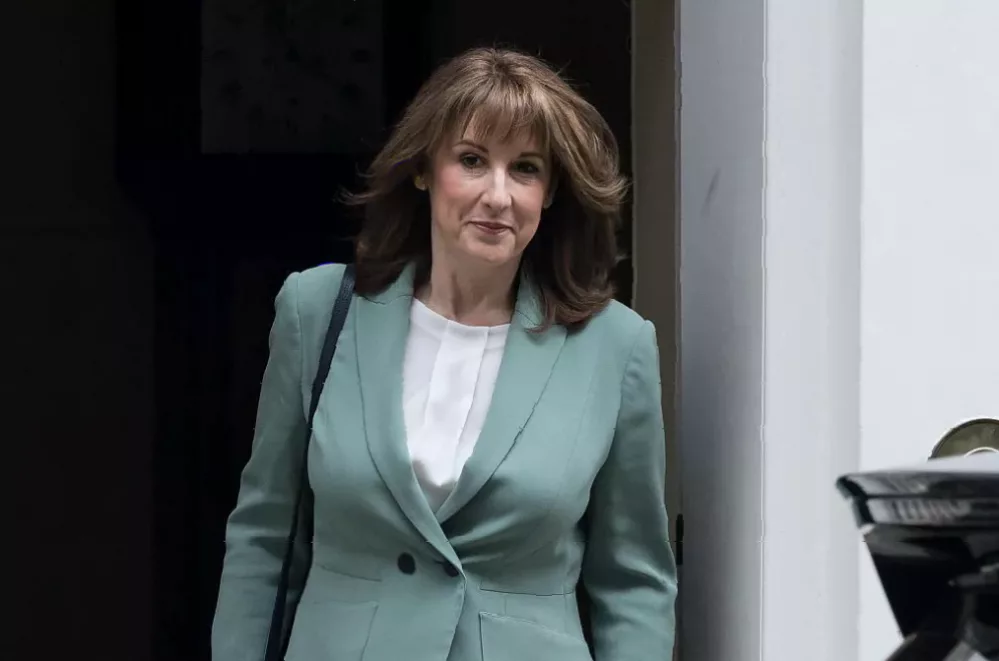
Pressed by GB News presenter Ellie Costello on how the government would support families facing these spiralling costs alongside predicted increases in food prices and interest rates, Ms Reynolds outlined the state’s response. She pointed to the heating oil fund and confirmed that all households would see a £117 reduction in bills from April, a measure resulting from the removal of green subsidies.
“We know that this is a worrying time, but what you’ve just suggested obviously are predictions,” the Environment Secretary stated, seeking to reassure viewers. She emphasised that the government’s priority was diplomatic work to “de-escalate this crisis because we know of the impact that it’s having on the cost of living back home.”
Ms Reynolds also detailed market interventions, noting that ministers had engaged the Competition and Markets Authority to prevent exploitation. “The Chancellor and the Energy Secretary hauled in the petrol suppliers last week and warned against any what’s called price gouging,” she said.
Economic stability and the “double squeeze” on finances
The Bank of England has provided a momentary anchor, its Monetary Policy Committee voting unanimously to hold interest rates at 3.75%. Ms Reynolds highlighted that borrowing costs had fallen on six occasions since the election, which she attributed to “the Government putting the public finances on a more sustainable footing.”
Nevertheless, the Bank has signalled it may be forced to raise rates soon to combat inflation risks stoked by the energy price surge. Furthermore, the crisis creates a “double squeeze” on the Exchequer. Official data shows government borrowing hit £14.3 billion in February—the second-highest February figure since 1993—as debt interest costs rose. Chancellor Rachel Reeves has confirmed she is seeking to provide “targeted” support for low-income households but has ruled out blanket assistance on affordability grounds.
The fierce political fight over North Sea energy
The geopolitical shock has reignited the fierce political debate over the UK’s domestic energy strategy. The Labour government has committed to phasing out new oil and gas exploration licences in the North Sea, a policy supported by a majority of UK business leaders but criticised fiercely by opponents.
Conservative Shadow Immigration Minister Matt Vickers accused the government of making the UK “more susceptible to these sort of shocks.” He told GB News: “This is basically Keir Starmer adopting the Dale Vince Just Stop Oil approach to energy.”
While Labour will not issue new licences, existing fields can continue operating for their lifespan, subject to the Energy Profits Levy. The Tony Blair Institute has urged a reversal of the ban, arguing it drives investment away. Conversely, unions like Unite have called for continued domestic production to bolster security, advocating for projects like Rosebank to proceed.
The conflict’s repercussions are even influencing technical infrastructure planning, from electricity substation design to network protection systems, as global fuel market volatility threatens supply chains.
Concluding her reassurances during the tense interview, Ms Reynolds stated: “I want to reassure people that we will do all that’s necessary to help people through this.” With Brent crude oil topping $100 a barrel for the first time in over three years, the pressure to make good on that promise is intensifying by the day.