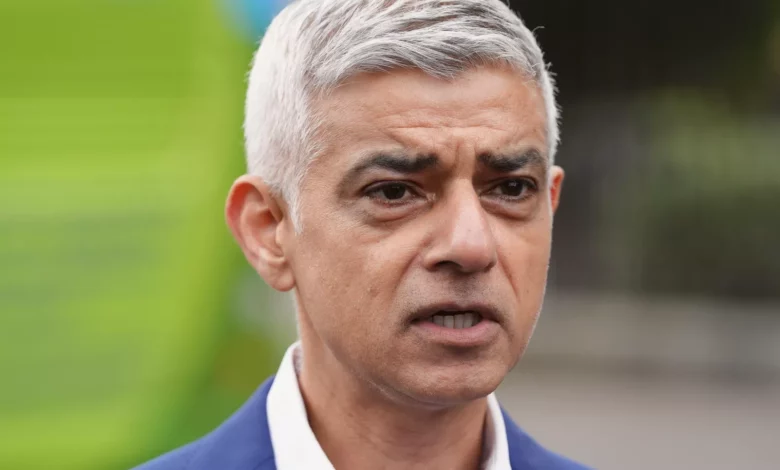
London Mayor Sir Sadiq Khan has hit out at government plans to explore a bid for the Olympic and Paralympic Games in the north of England, insisting that excluding the capital would be a “missed opportunity” that would prevent the country from reaping the full benefits of a UK-wide event.
A spokesperson for the mayor said London remained the “sporting capital of the world”, and that Mr Khan had “openly expressed his ambition for the capital to be part of a future Olympic and Paralympic Games”. The spokesperson argued that a “country-wide bid, using all the assets we have in the UK, including the publicly-owned London Stadium would deliver the very best possible Olympics”.
Mr Khan’s intervention follows the government’s announcement on Sunday that it had asked UK Sport to carry out a strategic assessment into the feasibility of a northern-based bid for the 2040s. The assessment will examine potential costs, the socio-economic benefits to the North, and the bid’s chance of success. Ministers frame the plan as a long-overdue vote of confidence in a region that has been told for too long that the Olympics is “simply too big and too important to be hosted in the North”.
But Mr Khan’s team warned that omitting London would undermine the very sustainability and economic growth that the government says it wants to achieve. “Using London’s existing world-class infrastructure would help deliver the greenest and most sustainable Games, as well as unlocking huge economic growth both here in London and around the country,” the mayor’s spokesperson said. “Not including the capital in an Olympics bid would be a missed opportunity, and mean our country fails to unleash the full benefits of a UK-wide games.”
London last hosted the Games in 2012, when events such as sailing, rowing and cycling were held outside Greater London. The economic legacy of those Games is well documented: estimates suggest a boost of up to £41 billion to the UK economy by 2020, with trade and investment rising by £9.9 billion within a year. Construction projects for the Games provided a £7.3 billion boost, and over 46,000 people worked on the Olympic Park and Village, many of whom had previously been unemployed. The Queen Elizabeth Olympic Park has since become a hub for homes, jobs, universities and businesses.
Mr Khan has long pushed for a return. In February 2019 he announced plans to bid for the 2032 or 2036 Olympics, a move backed by UK Sport. Last July, during the Paris Games, he indicated he would lobby for the 2040 edition, suggesting London could host the “greenest games ever” by reusing 2012 venues.
Government’s vision for a northern games
The government’s proposal envisions a multi-city approach across the North of England, reflecting a growing international trend towards regional or multi-venue projects – a shift that the International Olympic Committee has itself embraced in recent years, as seen with the Winter Olympics in Milan and Cortina. Ministers argue that major sporting events can drive regeneration, create jobs, boost communities and enhance the UK’s global appeal.
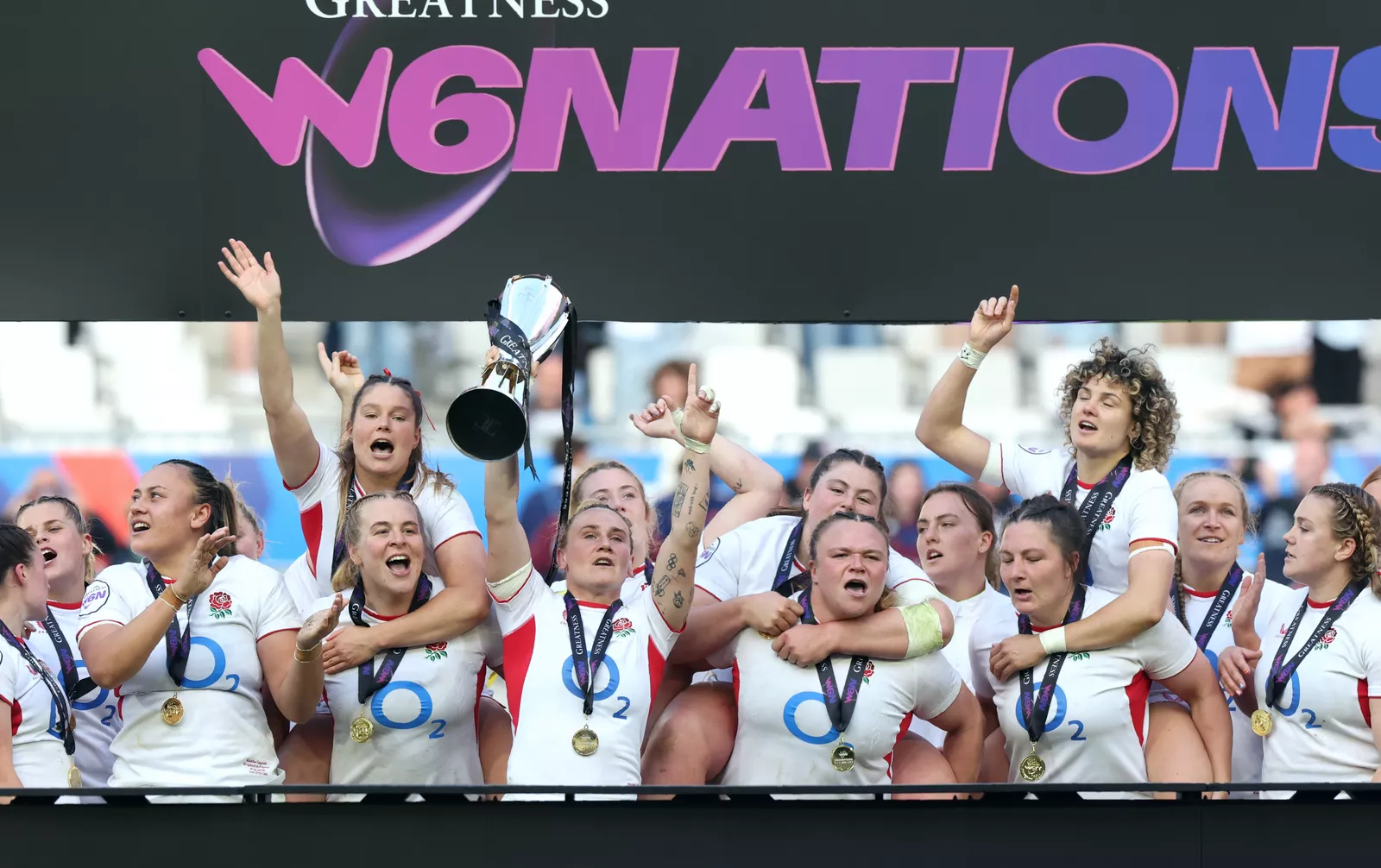
To support this wider ambition, the government has introduced a Sporting Events Bill to Parliament, designed to streamline the bidding and delivery of major events, combat ticket touting and unauthorised marketing. It has also appointed Labour peer Lord McConnell as ministerial adviser on soft power and major events, drawing on his experience campaigning for the successful Glasgow 2014 Commonwealth Games. More than £500 million has been allocated for upcoming events including UEFA EURO 2028, the Tour de France 2027 and the European Athletics Championships 2026, while £400 million is earmarked for grassroots sport facilities between 2025 and 2030. A cross-government “stadium regeneration accelerator” programme has also been launched to unlock private investment for stadium regeneration, housing and employment.
The North already has substantial assets. Manchester possesses a national velodrome and an aquatics centre, while Everton’s new Hill Dickinson Stadium has been described as a world-class facility. Leeds’ Elland Road is part of stadium regeneration plans. Northern mayors, including Kim McGuinness of the North East, have expressed support, writing to the government in February to advocate for a northern bid. They see the Games as an opportunity for prosperity, unity and renewal.
Not everyone is convinced. Some Conservatives have labelled Labour’s plan a “cynical attempt” to distract from political issues and win favour. And there is historical precedent for northern bids falling short: Manchester applied for the 1996 and 2000 Summer Olympics but lost to Atlanta and Sydney respectively – with the latter loss prompting the infamous comment from Damian Green that “no one in their right mind would spend three weeks in Manchester rather than Sydney”. Manchester did, however, go on to host the successful 2002 Commonwealth Games, which left a lasting infrastructure legacy. Birmingham also bid for the 1992 Games but was not selected by the British Olympic Association.
Northern ministers rally behind the plan
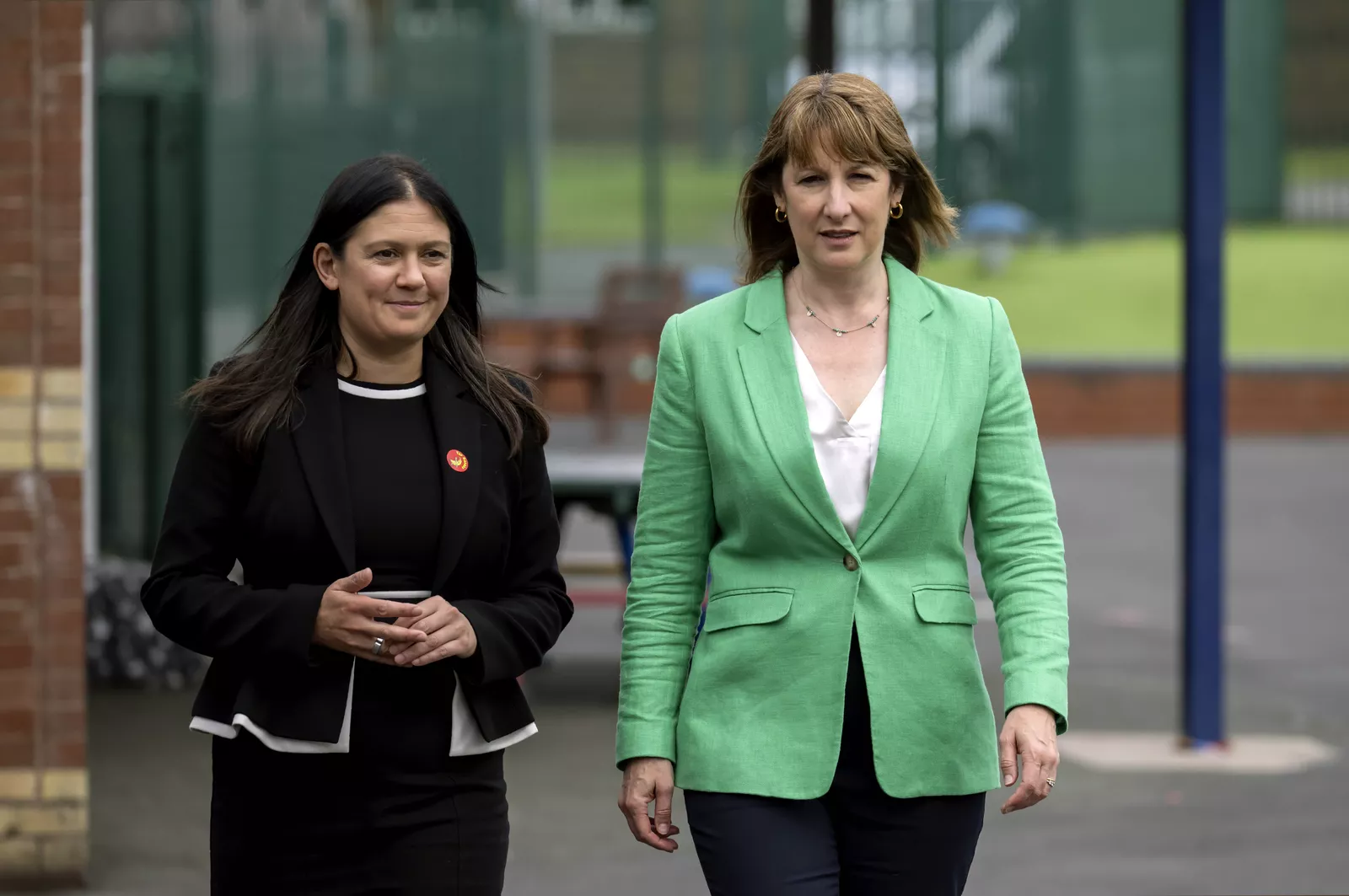
Two Cabinet ministers whose constituencies lie in the North have given the proposal their full backing. Culture Secretary Lisa Nandy, the MP for Wigan, said that for “too long” the North had been “told the Olympics is simply too big and too important to be hosted in the North”. She added: “Not anymore. It’s time the Olympics came north and we showed what we can offer to the world. I couldn’t be more pleased to announce that we’re starting the firing gun on a long overdue vote of confidence in the North.”
Chancellor Rachel Reeves, MP for Leeds West and Pudsey, said the government wanted to use sport to “breathe life into our communities and build a stronger and more secure economy”. She emphasised the potential of the “Northern Growth Corridor” and the role major events could play in driving prosperity.
The UK Sport assessment will now determine whether a northern bid can deliver on those promises. It will weigh costs, socio-economic benefits and the likelihood of securing the IOC’s approval – all against a backdrop of competing visions for how the UK should present itself to the world. Mr Khan’s team has made clear that, in their view, any credible plan must include the capital. “A potential country-wide bid, using all the assets we have in the UK, including the publicly-owned London Stadium,” the mayor’s spokesperson said, “would deliver the very best possible Olympics.”