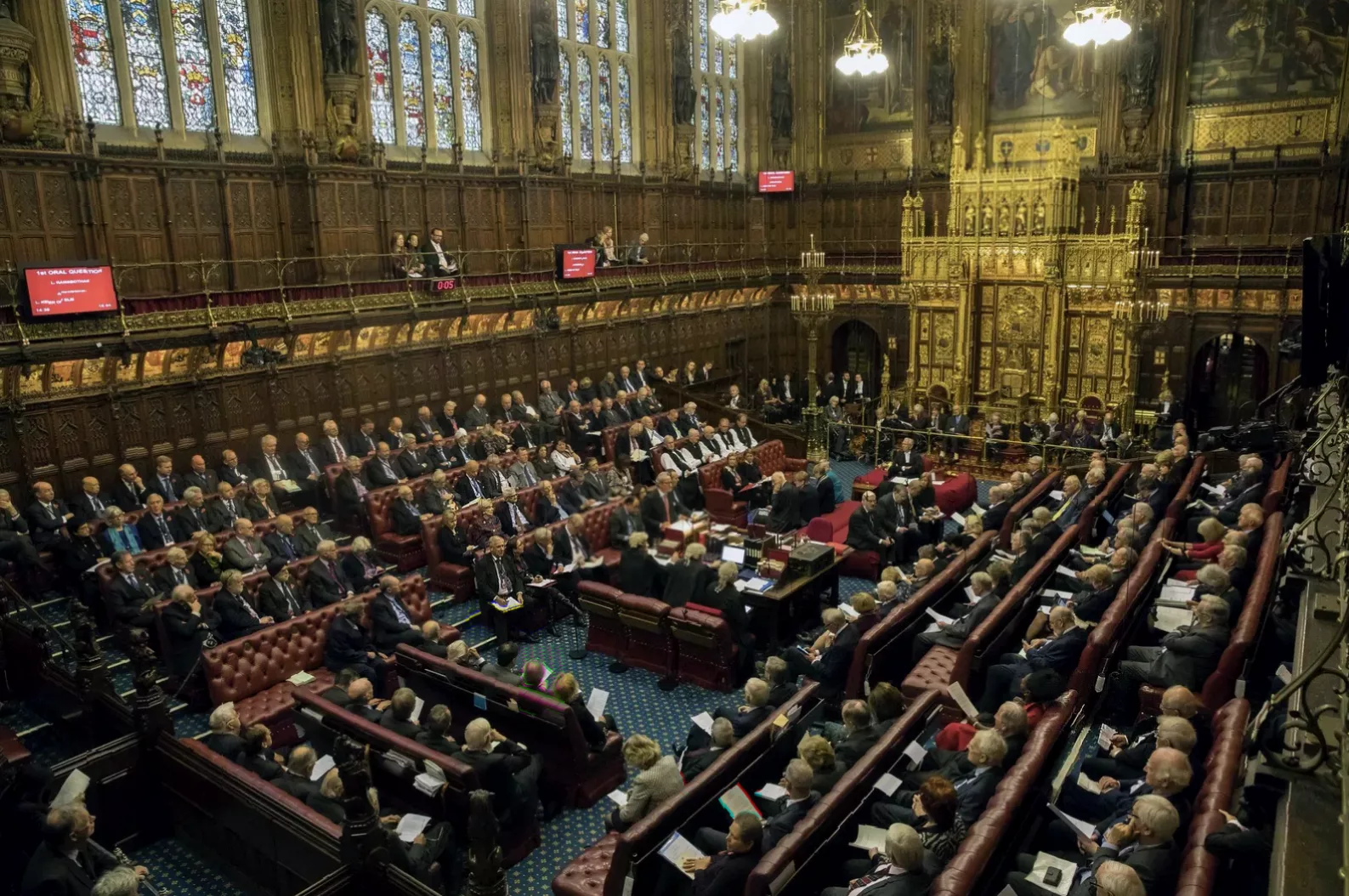
Peers are preparing for a decisive vote this Wednesday that could either enable or halt the most significant proposed change to Britain’s abortion laws in over half a century. Two critical amendments to the government’s Crime and Policing Bill, set for debate at report stage in the House of Lords on March 18, 2026, have ignited a fierce debate involving senior medics, parliamentarians, and religious leaders.
The Legislative Battle
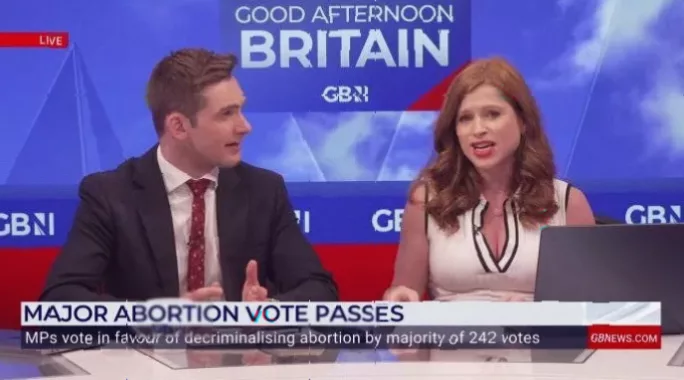
At the heart of the controversy is Clause 208 of the bill. Originally introduced as a surprise amendment by Labour MP Tonia Antoniazzi, it would decriminalise abortion throughout pregnancy, effectively allowing termination for any reason up to the point of birth, including on grounds of the baby’s sex. The clause passed the House of Commons on June 17, 2025, by 379 votes to 137 after a debate lasting just 46 minutes, with no prior committee stage scrutiny.
Amendment 424, tabled by Baroness Monckton, seeks to strip this entire clause from the legislation. “Whatever one’s views on abortion, this is not how responsible laws are made,” Baroness Monckton stated, criticising the lack of detailed parliamentary examination. Amendment 425, tabled by Baroness Stroud, addresses a separate but linked issue: it would reinstate a legal requirement for face-to-face consultations with a medical professional before abortion pills can be prescribed, ending the permanent “pills by post” scheme introduced during the pandemic.
This medical scheme is a focal point of concern. Over 1,000 senior obstetricians, gynaecologists, midwives, and medical professors have signed a letter to the Lords expressing “grave concerns” about the combined effect of the proposals. They warn of “serious risks to women’s health, particularly given the medical dangers associated with late, self-administered abortions.” The letter argues that in-person appointments are “an important part of safeguarding (to protect against coerced abortion)” and ensure pills are prescribed only when medically safe and legally compliant.
Baroness Stroud, supporting the reinstatement of consultations, said, “I, and many others, warned of the dangers of the ‘pills by post’ scheme when it was introduced. Sadly, those warnings have come true.” Campaigners point to cases like that of Stuart Worby, who was jailed for secretly administering abortion pills, and that of Carla Foster, who was sent pills after allegedly misleading providers about how far her pregnancy had progressed, as evidence of the scheme’s vulnerabilities.
Context and Current Law
The proposed changes come against the backdrop of an abortion law framework that has remained largely consistent for decades. In Great Britain, the Abortion Act 1967, as amended by the Human Fertilisation and Embryology Act 1990, generally permits abortions up to 24 weeks of pregnancy, provided two doctors agree that continuing the pregnancy would pose a risk to the woman’s physical or mental health. Stricter conditions apply for later-term procedures.
This existing framework was subtly altered in June 2025 when MPs voted to decriminalise abortion in England and Wales, meaning women themselves would no longer face prosecution for ending a pregnancy outside the legal limits. However, that change did not alter the statutory rules for accessing abortions through medical services. The Catholic Bishops’ Conference of England and Wales, with Archbishop John Sherrington urging peers to support this week’s amendments, has expressed alarm at this direction, citing concerns about reduced protection for unborn lives and increased vulnerability for women.

The debate also touches on divergent laws within the UK. In Northern Ireland, abortion was decriminalised in 2019, with regulations coming into force in 2020 allowing access up to 12 weeks without conditionality, certified by one medical professional.
Public opinion appears to weigh heavily on the side of those proposing the amendments. According to polling, 89% of the general population and 91% of women agree that gender-selective abortion should be explicitly banned—a practice Clause 208 would permit. Furthermore, two-thirds of women support the reinstatement of in-person appointments before abortion pills are issued.
The amendments have attracted cross-party and cross-ideological support in the Lords. Backers include former Olympian and pro-choice peer Baroness Davies, former Ofsted chief Baroness Spielman, and Baroness Hollins, a past president of the British Medical Association. Baroness Davies has previously expressed concern that abortion pills could “too easily fall into the hands of abusers,” framing her support for safeguards as a move to “protect women.”
Unease extends to the Commons. Former justice minister Laura Farris, who describes herself as pro-choice, has raised concerns about the “unintended consequences” of Clause 208, stating the ramifications had “not been fully thought through.” In a letter, she argued that “a few hours of debate… is not the right approach for this,” and called for proper policy scrutiny. It has also been reported that ahead of the Commons vote, Home Secretary Shabana Mahmood voiced opposition to the proposals, while Health Secretary Wes Streeting expressed unease.
The outcome of Wednesday’s votes will have immediate legislative consequences. If peers approve the amendments, the bill will return to the House of Commons, where MPs will be forced to reconsider the changes. The votes take place amid record abortion figures, with almost 300,000 procedures carried out across the UK in 2023, and under the watch of medical bodies like the Royal College of Obstetricians and Gynaecologists, which supports decriminalisation but alongside over 40 other bodies calls for the protection of reproductive rights.