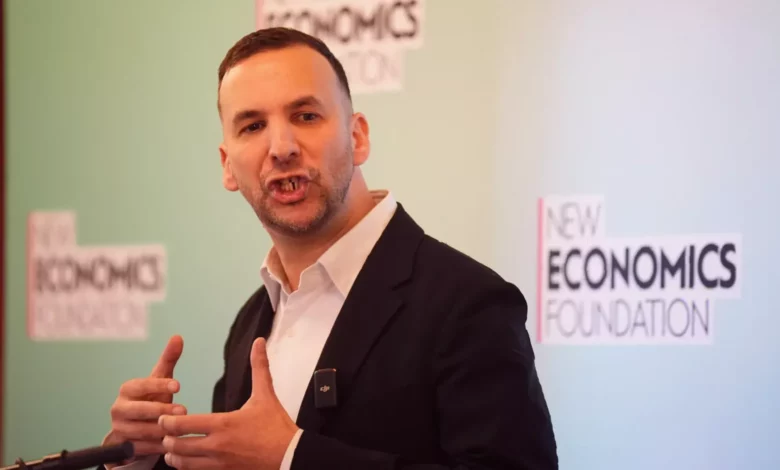
The Green Party has laid down a direct economic challenge to Sir Keir Starmer’s government, with leader Zack Polanski using his first major policy speech to call for a wholesale replacement of Britain’s “failing” fiscal rules and a new tax on the wealthiest to fund public services.
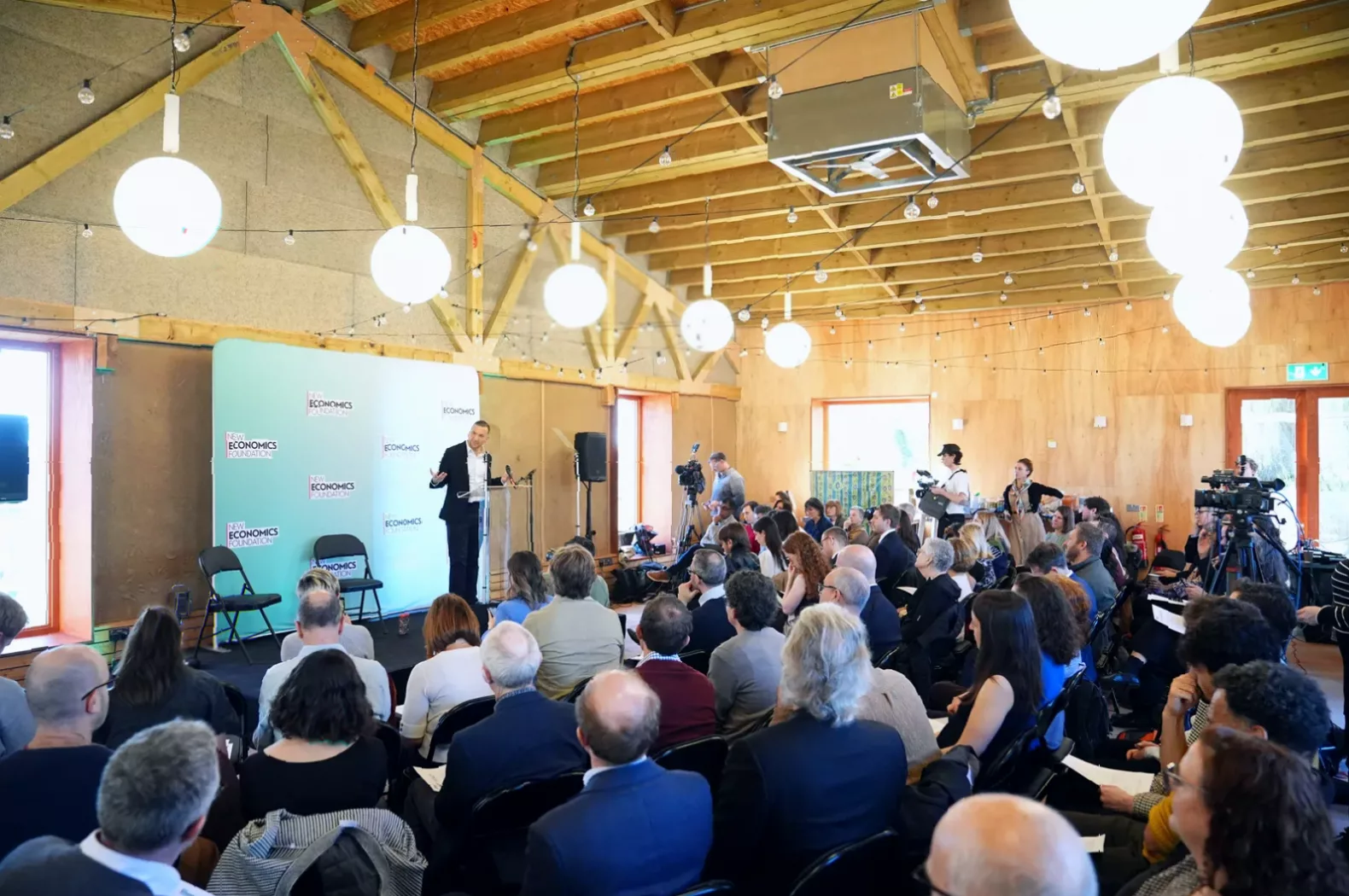
Addressing the left-leaning New Economics Foundation think tank, Polanski argued that decades of rigid budget constraints had led to “stretched services, and people suffering,” and that a new framework was needed to “end rip-off Britain.” His intervention comes as the Greens, under his leadership since September 2025, have seen a dramatic surge in support, with membership reportedly tripling to over 200,000.
A New Economic Rulebook
At the heart of Polanski’s critique is the current fiscal framework, which he claims is trapped in a “bond market doom loop.” He argued that policy becomes overly sensitive to financial market movements, generating uncertainty that in turn exacerbates economic instability. To break this cycle, he proposed ditching existing budget rules in favour of a panel of independent “fiscal referees.”
This expert panel, he said, would be tasked with judging long-term debt sustainability with a broader mandate: to ensure the government is not spending too much, but also that it isn’t spending too little. He claimed the current system, with its “rigid” assumptions about fiscal multipliers, prioritises short-term targets over the longer-term social and economic gains of major public investment.
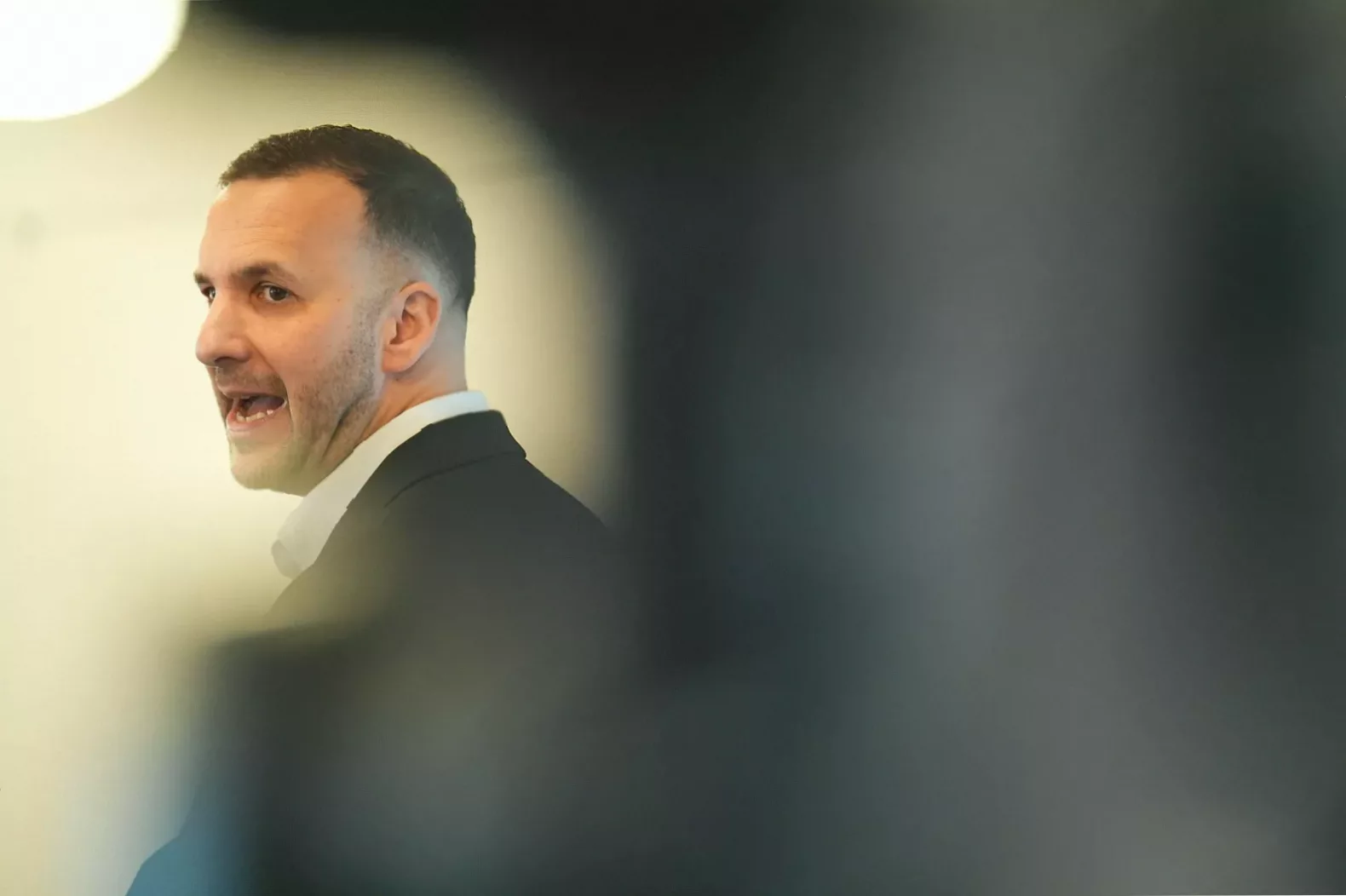
The Green leader also took aim at the government’s official economic forecaster, the Office for Budget Responsibility (OBR). The OBR was established in 2010 by the coalition government with the aim of providing independent scrutiny of public finances. Polanski, however, stated it was “born of promises to ‘eliminate’ the deficit and take ‘urgent action to reduce debt’ – and it’s clearly failed,” signalling that a Green government would review its role.
Taxing Wealth and “Rentier Capitalism”
Polanski detailed a suite of policies aimed at redistribution, headlined by a new wealth tax. The proposal would levy a 1% annual charge on assets over £10 million and 2% on assets exceeding £1 billion, which the party estimates would raise approximately £15 billion a year. “For a truly progressive government a wealth tax should be a day one priority,” he stated.
This forms part of a broader critique of what he termed “rip-off Britain.” Polanski argued that decades of privatisation and deregulation had transformed the UK economy “from a place which made things people need to a place which made money for people who owned things.” He cited data showing the number of UK billionaires rising from 15 in 1990 to 154 last year, suggesting their wealth often came not from productive activity but from “sitting on assets or charging somebody else for the use of them”—a dynamic aligned with concepts of “rentier capitalism.”
Other specific measures to ease the cost of living included implementing rent controls, citing European models, and bringing water companies back into public ownership. The party has previously estimated that a rent freeze could have saved households over £3,300 a year. On energy, Polanski argued it was “utterly unacceptable” that ordinary people paid for oil price spikes driven by foreign conflicts and proposed an £8.4 billion scheme to cap bills, funded by an extended windfall tax. He also called for capital gains tax to be equalised with income tax rates.
Wellbeing Over GDP and Defending the Safety Net
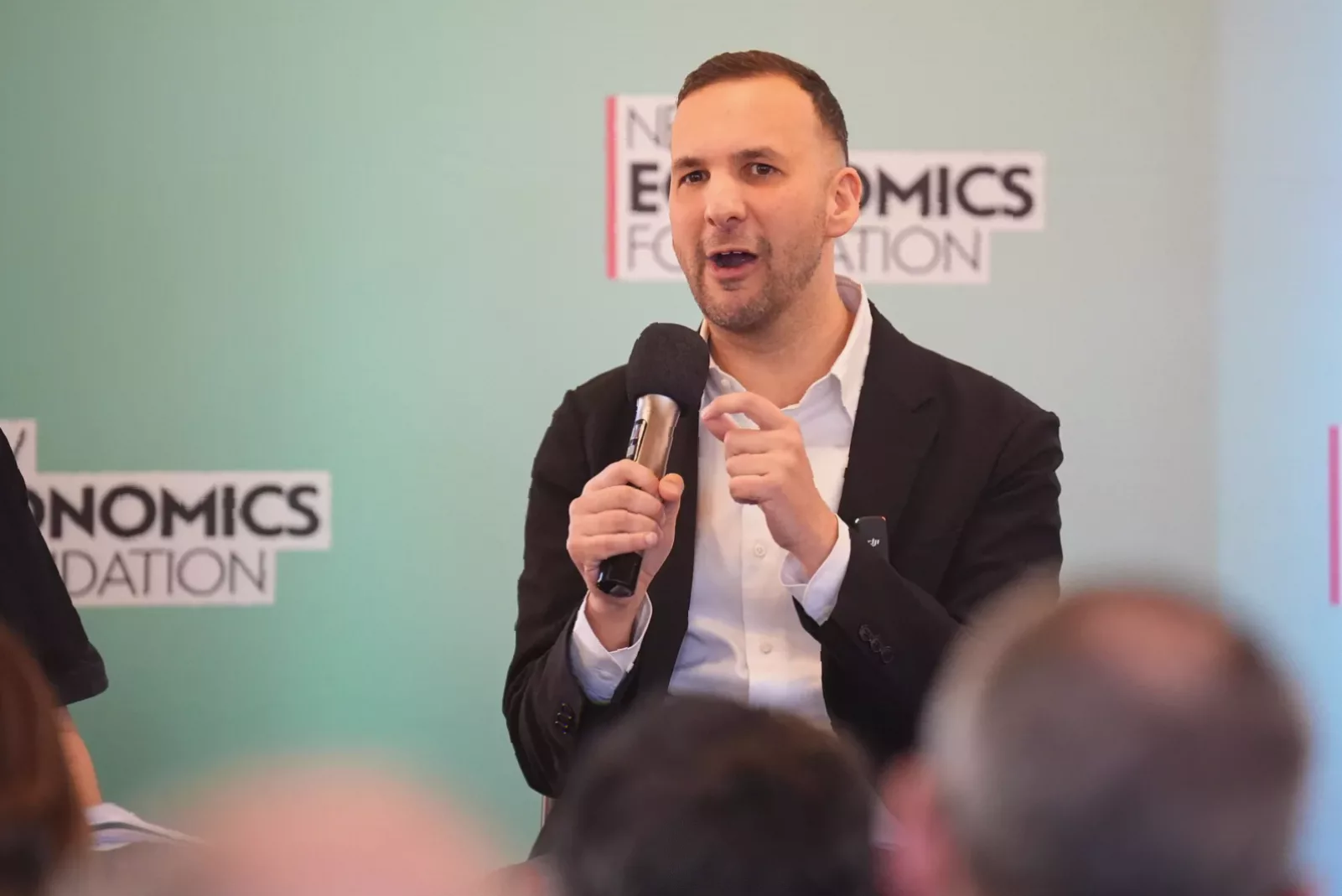
In a subsequent question-and-answer session, Polanski explicitly rejected traditional economic metrics, stating he was “much more interested in growing people’s mental health, growing our public services, growing cohesion in our communities” than in GDP targets. He illustrated the point by criticising a scenario where a water company pollutes a river and then cleans it up—a process that boosts GDP but harms wellbeing.
He also defended the welfare system against claims it was “spiralling out of control,” arguing that for many people with disabilities, benefits were an “essential lifeline” even while they were in work. While stating the bill needed to be “manageable,” he advocated for widening the safety net, praising universal free school meals in London as a “game-changer” and supporting the party’s long-term vision for a universal basic income.
Political Attacks and Controversy
The Green leader used the speech to attack both the Labour government, accusing it of overseeing “managed decline,” and Nigel Farage’s Reform UK, which he claimed “would have dragged us into this illegal and deeply unpopular war” in Iran. However, the Labour Party hit back swiftly.
Labour Party chair Anna Turley dismissed Polanski’s economic plans as “catastrophic,” warning that the Greens’ proposals would “hammer working people.” She also attacked his credibility, noting: “Polanski attacks Tory austerity now but as a Lib Dem during the coalition years he was a cheerleader for it at the time.” Turley pointed to Labour’s own cost-of-living measures, including energy bill support and freezes on rail fares.
Polanski also faced renewed questions over past controversial comments made to The Sun newspaper in 2013 regarding hypnosis. He repeated a previous apology, seeking to move on by stating: “I’ve apologised several times, and I think most people are interested in how I’m going to lower bills.”
The speech and its reception underscore the Greens’ attempt to position themselves as a distinct, “eco-populist” alternative. With a policy platform that also includes nationalising the major energy retailers, a £15 minimum wage, and an estimated £40 billion-a-year investment in a green economic transformation, the party is aiming to convert its recent surge in polls into a fundamental shift in the political debate.