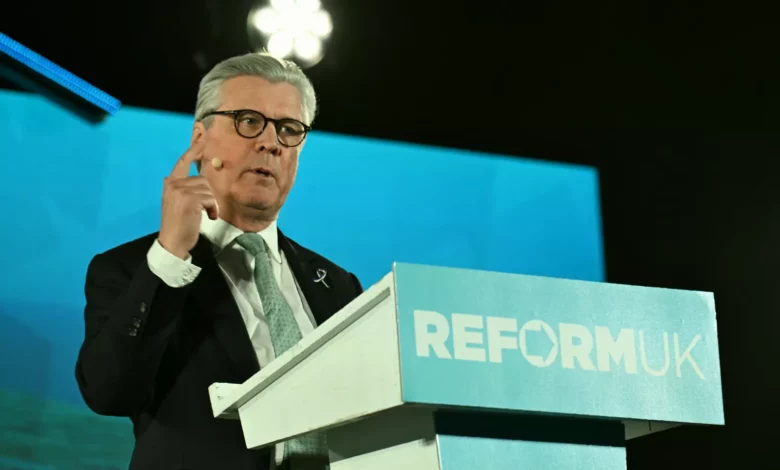
Reform UK has issued a direct challenge to Scottish Labour leader Anas Sarwar, urging him to abandon his own ambitions and instead back their candidate, Malcolm Offord, to become Scotland’s next first minister. The audacious demand follows a major poll suggesting a potential unionist majority in the next Holyrood parliament, a scenario Reform believes it can leverage to its advantage.
The Demand and the Poll That Prompted It
The call from Reform’s Scottish leader, Malcolm Offord, was prompted by a poll from More in Common released on Monday. The multi-level regression with post-stratification (MRP) study, which spoke to more than 5,000 Scots between February 4 and April 10, projected that the combined unionist parties could hold a majority after the May 7 election. This raised the prospect of a cross-party coalition ousting John Swinney from Bute House, the First Minister’s official residence.
The poll put the SNP on 56 seats, Reform UK in second place on 22, Scottish Labour third on 17, the Scottish Liberal Democrats on 14, and the Conservatives on 12. Lord Offord seized on the figures, stating they reflected “exactly what Reform is picking up on the doors – momentum.” He declared his party “Scotland’s only challenger to this rotten SNP Government” and framed the election as a choice for other unionist parties: back a Reform-led government or accept “failure under the SNP.”
Reform’s Conditions for a “Unionist” Government
Central to Reform UK’s strategy is a set of specific conditions it has laid down for any post-election deal. In a statement, Lord Offord was unequivocal: Reform UK MSPs would not support a push from Anas Sarwar to become first minister. “It is abundantly clear now that Anas Sarwar will not be first minister,” Offord said. “The only way that would happen is if all unionist parties backed him in a coalition and we at Reform categorically rule out supporting a Labour Party that no longer supports workers.”
The party’s stance is rooted in its recently launched manifesto, which outlines a platform starkly different from Labour’s. Reform pledges to “turbo-charge” Scotland’s economy by cutting income tax, setting Scottish rates 1p below each UK band, and simplifying the system to three bands. It promises to scrap Net Zero targets, support new nuclear energy and North Sea oil and gas, and build 75,000 affordable homes. The manifesto also includes plans to repeal the Hate Crime and Public Order Act, introduce tougher sentencing, and abolish various public bodies.
Lord Offord, who defected from the Conservatives in December 2025 and resigned from the House of Lords to stand in Inverclyde, has positioned this agenda as the price of his party’s support. He challenged Mr Sarwar directly: “So, we ask Mr Sarwar, will you back a Reform government or will you let this country suffer another five years of the SNP?”
Other Parties Rule Out Cooperation
Reform’s attempt to shape a potential coalition has been met with immediate and firm rejection from other opposition parties. Scottish Liberal Democrat leader Alex Cole-Hamilton categorically ruled out his party working with Reform, stating their visions do not align and effectively scuppering Lord Offord’s path to Bute House based on the current poll numbers.
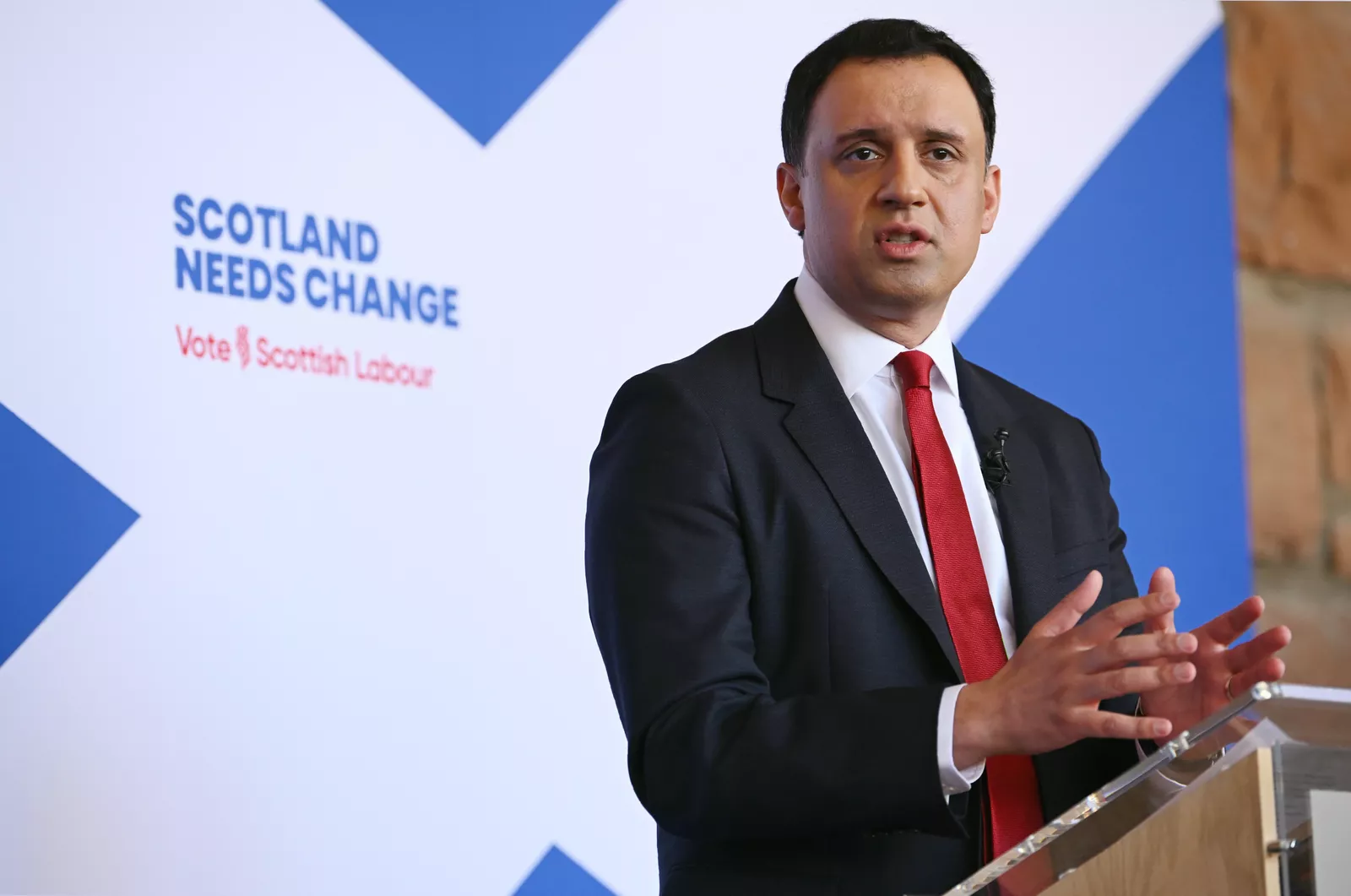
The SNP also launched a fierce attack. Campaign director Angus Robertson said: “It is absolutely clear that only the SNP are strong enough to beat Reform across the country – and that Labour are plotting a grubby deal with Nigel Farage’s party after the election.” He labelled Reform “too dangerous to be allowed any influence in Scotland’s Parliament.” First Minister John Swinney has previously described Nigel Farage as a “right-wing extremist” whose views have no place in Scotland.
The public acrimony between Reform and Labour is particularly deep, heightened by ads described as “racist” run by Reform during a Holyrood by-election which targeted Mr Sarwar. Lord Offord has defended such tactics, stating they reflect the views of people in working-class communities. He also claimed that Mr Sarwar approached him at a TV appearance last year and said they would have to “work together” to oust the SNP—an allegation Sarwar has vehemently denied, dismissing Offord as a “liar.” Reform UK councillor Thomas Kerr has supported Offord’s version, accusing Sarwar of being a “hypocritical liar.”
Labour’s Forceful Rebuttal
Scottish Labour’s response to Reform’s overture was one of contempt and dismissal. Deputy leader Dame Jackie Baillie accused Lord Offord of a “laughably desperate bid for attention from a party that has already admitted it can’t win this election.”
She sought to reclaim the narrative, insisting: “Scottish Labour is the only party that can beat the SNP and Anas Sarwar is the only person who can replace John Swinney.” Dame Jackie framed the choice in stark ideological terms, attacking Reform’s policy platform: “Reform wants to wage war on workers’ rights and cut the minimum wage, and Scotland will see right through their flimsy con act. Lord Offord and Reform have nothing to offer the people of Scotland and no chance of beating the SNP – all this Tory tribute act can do is help the SNP.”
The rebuttal underscores Labour’s determination to present itself as the sole credible alternative to the SNP, while characterising Reform as a disruptive force offering “poisonous” politics. With the election for First Minister expected on May 19 or 20, the post-poll manoeuvring has begun in earnest, but Reform’s proposed unionist alliance appears to have found no takers among the parties it sought to lead.