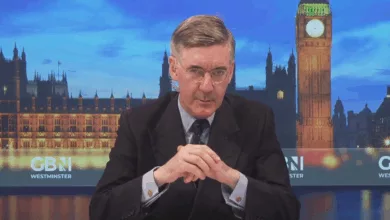
In his first major policy address as Reform UK’s Treasury spokesman, Robert Jenrick has pledged to reinstate the two-child benefit cap, arguing the country “cannot afford” to support families in having more children through the welfare system. The announcement, made in a speech in the City of London, marks a significant shift for the party, which had previously indicated a desire to lift the cap for working families.
The former Conservative minister, who defected to Reform UK in January 2026, stated that attempts to encourage larger families could not be achieved by “spending more and more on benefits,” adding that “someone has to instil some realism into this business.” His remarks come just a week before the Gorton and Denton by-election, which is being viewed as a key contest between Reform and the Green Party.
The two-child limit, first introduced by a Conservative government in 2017, prevents parents from claiming child tax credit or Universal Credit for a third or subsequent child born after April that year. It is set to be scrapped from this April under the current Labour government, a move which government estimates suggest would lift around 450,000 children out of poverty.
However, research from the universities of York, Oxford, and the London School of Economics suggests the policy has failed in its stated aims of incentivising employment or reducing fertility among poorer families. Academics have described the cap as “poverty-producing,” causing anxiety and hardship for thousands of low-income households. The Institute for Fiscal Studies estimates that removing the cap would cost approximately £3.4 billion annually and reduce relative child poverty by about 500,000 children.
According to the Department for Work and Pensions, over 1.6 million children live in families affected by the two-child limit. The policy’s impact is set against a severe cost-of-living crisis, with high inflation straining family budgets for essentials like food and utilities.
Broader Welfare Reform Proposals
Jenrick’s speech outlined a wider suite of proposed welfare reforms. He pledged to ensure only British nationals have access to benefits, a policy that could strip support from millions of long-term residents. The party also plans to stop benefits for those with “mild anxiety, depression, and similar conditions,” proposing stricter clinical diagnoses to, in their words, “weed out those who are choosing a life on benefits.”
Further proposals include reforming the Motability scheme to “end abuse,” citing examples where “expensive cars are handed out for conditions like tennis elbow,” and increasing face-to-face assessments within the welfare system.
For families currently receiving support, Child Benefit rates for the 2025-2026 financial year are set at £26.05 per week for an eldest or only child and £17.25 for each additional child. These are due to rise by 3.8% in April 2026 to £27.05 and £17.90 respectively, in line with inflation. The benefit is typically paid every four weeks, though weekly payments are an option for single parents or those on certain other benefits like Universal Credit.
Jenrick’s defection from the Conservatives followed his sacking from the front bench by Kemi Badenoch, who alleged he was plotting the move. He stated he left because the Conservative Party “hasn’t changed, and it won’t,” and that he could not “in good conscience stick with a party that has failed so badly.”