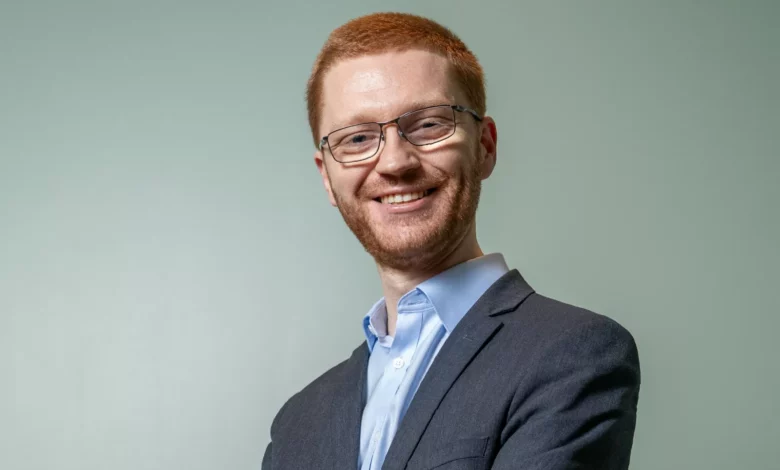
Ross Greer, the Scottish Green Party’s co-leader, has emphatically ruled himself out of the running for the top job in Scottish politics, stating he is “quite genuinely not interested in becoming the first minister of Scotland.” Instead, the West Scotland MSP said his ambition, should the Greens pull off a stunning election victory, would be to serve as deputy first minister to his party co-leader, Gillian Mackay.
The Preference for Policy Over Position
Explaining his disinterest in the leadership, Greer outlined a political style focused on delivery rather than the limelight. “I have a style of politics that I think leans towards just getting stuck into the details and back rooms and make sure that policies get delivered,” he told the Press Association. This approach is rooted in a political career that began in his teens; he joined the Scottish Greens at 15, served in the Scottish Youth Parliament, and left university in 2012 to work for the pro-independence Yes Scotland campaign. Elected in 2016 at 21, he became Holyrood’s youngest-ever MSP before rising to co-lead the party alongside Mackay in August 2025.
Greer’s unwavering support is for his colleague, whom he described as the “kind of politician that the people of Scotland want to see.” He pointed to Mackay’s “depth of knowledge about areas of public policy that people really care about, like our NHS, and the kind of compassion that we should want to see in our political leaders.” He even joked about breaking the news to her via the media, saying, “I’ve not told her yet that yet, though, breaking the news to Gillian that she will be the next first minister through PA Media.”
Backing Mackay’s Leadership
Gillian Mackay, the MSP for Central Scotland, brings a distinct profile to the campaign as the only female party leader currently campaigning. A mother who gave birth to her first child in June, she holds a degree in marine biodiversity and biotechnology and entered politics through a Holyrood internship designed to support disabled people. Her work in Parliament has focused on health and social care, an area Greer believes resonates deeply with the public.
“Gillian has the depth of knowledge about areas of public policy that people really care about, like our NHS, and the kind of compassion that we should want to see in our political leaders,” Greer said, adding he would be “unbelievably proud” to serve as her deputy. He framed a potential Green government as a partnership, stating, “as much as we co-lead the party on an equal basis, in the event that we are facing a Green majority government on the seventh of May, I will probably be calling her from my count to her count to congratulate Scotland’s first Green first minister.”
Green Pledges and the Path to Power
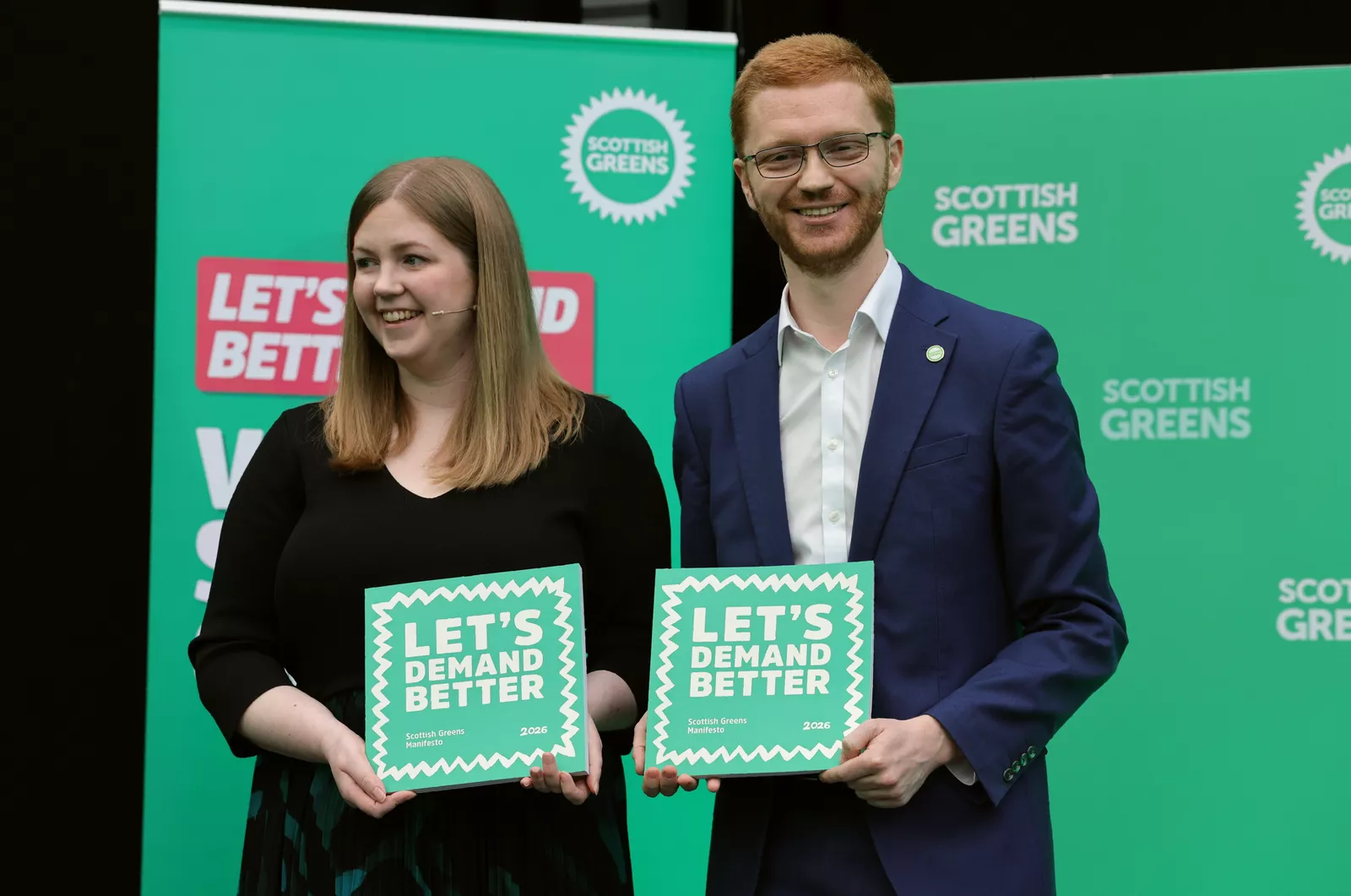
The party launched its manifesto this week, setting out a platform for what it calls a “greener, fairer, independent Scotland.” Its key pledges include introducing free bus travel for all—with an interim cap of £2 and free travel for under-30s—and taking bus services into public ownership. On childcare, it promises a major expansion, aiming for 1,140 hours of funded care for all two-year-olds and 570 hours for children aged six months to two years by 2031.
Housing is another focus, with a plan to build nearly 80,000 new social homes by 2031 and introduce permanent rent controls. To fund its proposals, the party suggests higher taxes on aviation, gambling, and landlords, alongside a wealth tax, a private schools levy, and a 15% “mansion tax” on properties valued over £1 million. Greer has, however, admitted the full cost of the manifesto is not known, describing the idea of a “fully costed” document as “misleading.”
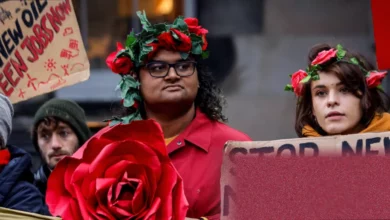
The most contentious area remains climate and energy. The Greens pledge a hard line against new North Sea oil and gas drilling, advocating for a “managed wind-down” of production and opposing developments like the Rosebank field. They propose a £600 million investment in renewables and green industries to replace jobs in the declining fossil fuel sector. “Whatever decisions governments of any stripe make in Edinburgh or in London, North Sea oil and gas is in decline,” Greer said. “People are losing their jobs already. We need to replace those jobs.”
Current polling by YouGov suggests the Greens are on course for a record result, potentially winning 11 seats—a gain of three. However, this remains far short of the SNP’s predicted 67 seats, which would grant them an outright majority. The previous Bute House Agreement, a power-sharing deal between the Greens and the SNP that lasted from 2021 to 2024, delivered policies like the abolition of peak rail fares. Greer indicated a renewed partnership is possible, but only under strict conditions. “We would only join a government that was serious about tackling the climate emergency,” he stated, framing climate action as the non-negotiable foundation for any future coalition.