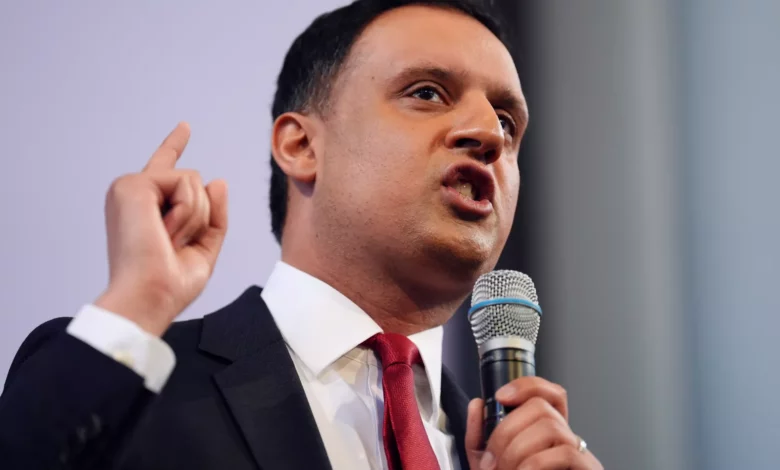
Scottish Labour leader Anas Sarwar has declared his party can “make history” and “pull off a surprise” on election eve, vowing to defeat the SNP after nearly two decades of power and deliver change for Scotland.
Speaking to party members at a rally in Glasgow, Mr Sarwar received a standing ovation as he urged voters to give him five years to fix Scotland’s hospitals, schools and streets, contrasting that with what he called the SNP’s “managed decline”. He predicted that when the result is revealed on Friday, Labour would outperform the polls, which currently suggest the party could end in third place behind Reform UK and the SNP.
“We have the chance to make history in Scotland,” Mr Sarwar said. “We have the chance to improve the life chances and outcomes of children right across this new country, and we’ve got the chance to bring our NHS back to those founding principles.”
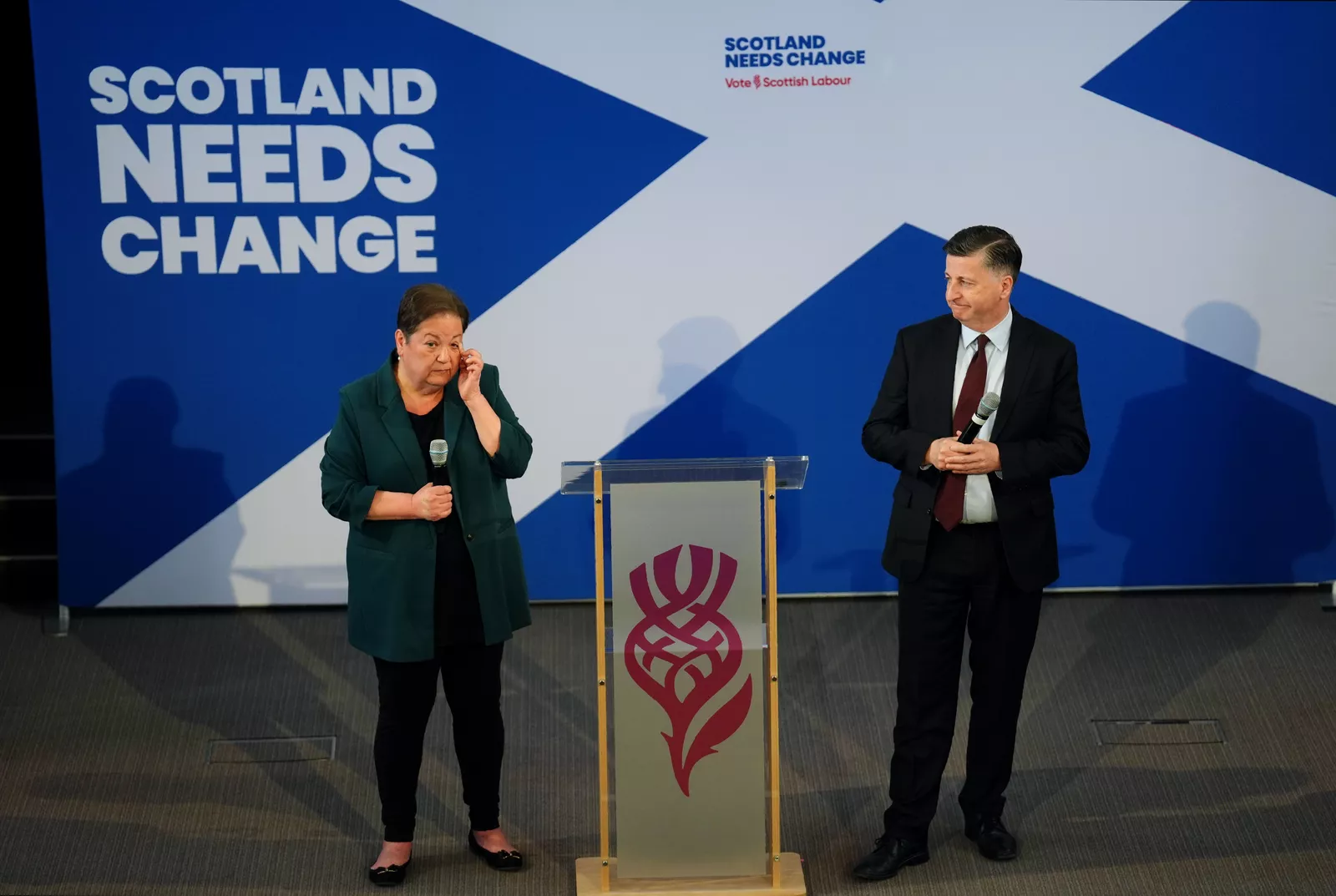
Introduced by a teary-eyed Jackie Baillie, his deputy, and Scottish Secretary Douglas Alexander, the rally saw Ms Baillie deliver the party’s core message: “Reject Reform, beat the SNP, change Scotland.”
Sarwar’s strategy: knife-edge seats and a warning on Reform
Mr Sarwar’s campaign is centred on winning 38 “knife-edge” constituencies, which he described as a “straight choice” between Scottish Labour and the SNP. He argued that these seats would decide the election outcome, and that Labour is the only party capable of unseating the SNP while simultaneously keeping Reform UK out of power.
He issued a stark warning to voters considering Reform UK, labelling the party the “midwives of an SNP government”. “Every single vote for Reform is a vote to help the SNP and to keep the SNP in power,” he said. “If you want to get rid of the SNP and you want to change this country and reject Reform in the process, you need to vote Scottish Labour.”
Reform UK is polling around 20 per cent on the regional list in Scotland, posing a threat to both Labour and the Conservatives. The party’s manifesto includes cutting Scottish income tax below English rates and reforming the NHS, while its campaign slogan is “Vote Reform, Get Starmer Out.” Despite this, Mr Sarwar insisted Labour can “pull off a surprise” and overcome the polls, echoing a strategy of differentiation from UK Labour leader Sir Keir Starmer, whom some critics say has damaged Scottish Labour’s campaign.
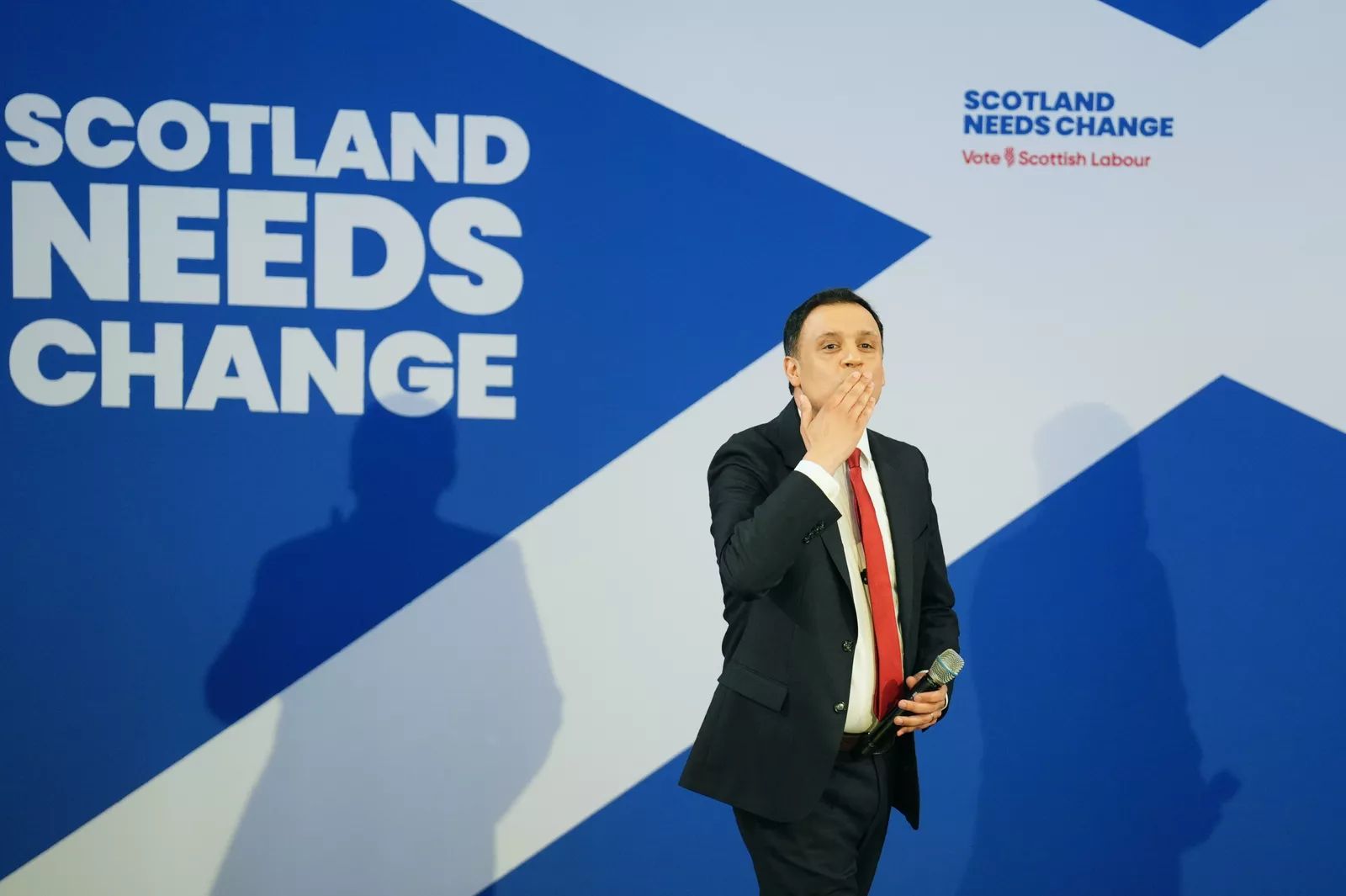
Mr Sarwar directly challenged John Swinney and the SNP, saying: “You have given John Swinney and the SNP 20 years – give me five. In that time, we will demonstrate that we can fix the NHS, we can make life more affordable and we can build a better future for Scotland. But that means rejecting Reform, beating the SNP, changing Scotland, and the only way to do that is by voting Scottish Labour.”
When asked by the Press Association whether he would remain leader for the full next parliament regardless of the election result, Mr Sarwar said: “I look forward to leading Scottish Labour and leading the next Scottish Government into supporting this great country for the next five years.”
Other parties make their case
Scottish Liberal Democrat leader Alex Cole-Hamilton acknowledged that voters felt “let down” by other parties and argued for change “with fairness at its heart”. “We think Scotland deserves better than this,” he said. “In many constituencies we are on the verge of winning against the SNP but, wherever you are, every vote for the Scottish Liberal Democrats on the second peach ballot will deliver change with fairness at its heart.” The Liberal Democrats are described as being in a “buoyant mood”, with polls predicting strong results and targeting several constituencies, and they are seen as a potential coalition partner to keep the SNP out of power.

Scottish Conservative deputy leader Rachael Hamilton blamed Labour’s struggles on Sir Keir Starmer, claiming Scottish Labour was “paying the price for a litany of broken promises and U-turns”. “Anas Sarwar campaigned relentlessly to inflict this dud Prime Minister on the country and is shamelessly trying to disown him now,” she said. “Scottish Labour can’t offer change from the SNP, when they support the same failed agenda of high taxes, out-of-control benefits spending and destroying the oil and gas sector. The Scottish Conservatives offer a credible low-tax, pro-growth alternative to the left-wing Holyrood consensus and we’re the only party that can be trusted to stand up for Scotland’s place in the Union. That’s why pro-UK voters must back us on their peach ballot to stop an SNP majority and John Swinney’s push for another divisive independence referendum.”
The SNP, led by John Swinney, has been in power since 2007 and is campaigning on a platform that includes capping supermarket prices on essentials, a £2 cap on bus fares, and a first-homes fund. Critics, including think-tank ThinkScotland, have described the SNP’s record as one of “failure in every policy area”, pointing to rising poverty, cuts to local government funding and Scotland’s per capita GDP falling behind the UK average. However, recent polling suggests the SNP is still on course for another victory, though potentially falling short of a majority. Mr Swinney has made clear that if he wins a majority, he intends to use it to push for a second independence referendum.
With less than 24 hours to go until polls open on Thursday 7 May, Mr Sarwar repeated his call for voters to seize the moment. “We have the chance to make history in Scotland,” he said. “We have the chance to give this country the government it deserves.”