The departure of Sir Olly Robbins as the top civil servant at the Foreign, Commonwealth and Development Office marks another senior exit under Sir Keir Starmer’s premiership, triggered by a deepening scandal over diplomatic appointments and security vetting. Robbins was informed he had to resign after the Prime Minister and Foreign Secretary Yvette Cooper lost confidence in him, a direct consequence of the handling of Peter Mandelson’s failed security clearance for the role of UK ambassador to Washington.
The Mandelson Vetting Scandal
Sir Olly Robbins, who had served as Permanent Under-Secretary at the FCDO since 8 January 2025, was forced out following revelations that his department overruled a UK Security Vetting (UKSV) recommendation against granting “developed vetting” clearance to Lord Mandelson. Mandelson, appointed ambassador in December 2024, reportedly failed the vetting process in January 2025, a decision officials chose to bypass. He was later sacked from the role in September 2025 when new details about his relationship with the convicted sex offender Jeffrey Epstein emerged.
Prime Minister Starmer stated he first learned that Mandelson had failed security vetting on 15 April 2026, a claim Downing Street insists is accurate. Foreign Secretary Yvette Cooper was reportedly made aware when The Guardian broke the story two days later. Starmer has called the failure to inform him “staggering” and “unforgivable”. In response, Chief Secretary to the Prime Minister, Darren Jones, stated he was unaware until this week that FCDO officials could ignore UKSV recommendations and has since suspended this exemption for the FCDO and other organisations.
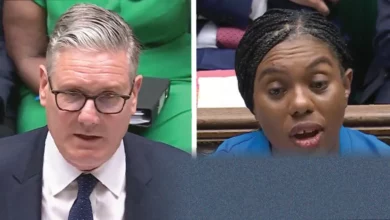
The political fallout has been swift. Conservative leader Kemi Badenoch has labelled Starmer’s claim of unawareness “not credible” and “preposterous”, while opposition parties have called for the Prime Minister’s resignation. The Foreign Affairs Select Committee, whose chair Dame Emily Thornberry said officials appeared to have misled her panel, has written to Sir Olly Robbins requesting he give evidence on the matter.
A Pattern of High-Profile Departures
Robbins’ exit is the latest in an unusually high number of resignations and departures during Starmer’s tenure, which began on 5 July 2024. His government has experienced 13 ministerial resignations in its first 19 months, the highest for any recent prime minister at this stage. The exits encompass both ministers and senior Downing Street officials.
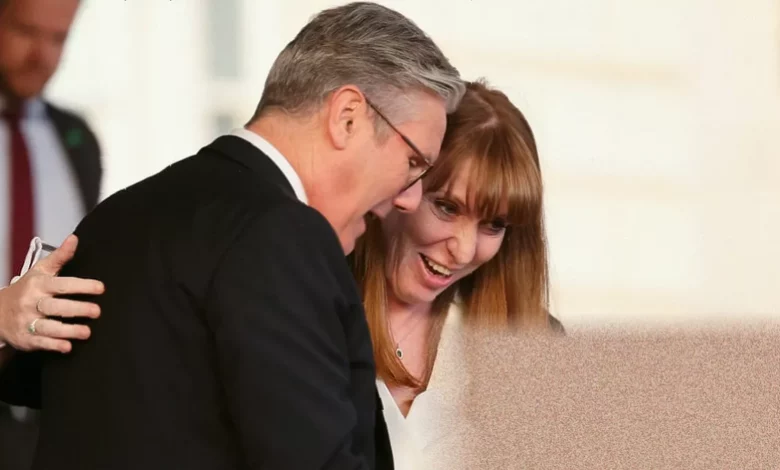
Notable ministerial resignations include Deputy Prime Minister and Housing Secretary Angela Rayner, who left in September 2025 after an ethics adviser found she breached the ministerial code over stamp duty. Transport Secretary Louise Haigh resigned in November 2024 after failing to correct police records, and Economic Secretary Tulip Siddiq departed in January 2025 following an investigation by the independent adviser on ministerial standards. International Development Minister Anneliese Dodds quit in February 2025 over aid budget cuts, while Labour Whip Vicky Foxcroft resigned in June 2025 over proposed cuts to disability benefits.
Senior official departures have also punctuated this period. Sue Gray, the former Partygate investigator who served as Chief of Staff from July to October 2024, resigned amid scrutiny over her salary and management style. Her successor, Morgan McSweeney, resigned in February 2026, claiming responsibility for advising Starmer on Mandelson’s appointment. Head of Communications Tim Allan also left that month, and Cabinet Secretary Sir Chris Wormald announced his departure, following speculation about a departure package.
Exploring the Reasons Behind the Exodus
The frequency of senior departures under Starmer points to a combination of ethical scandals, policy disputes, and internal pressures. Many exits, like those of Rayner, Haigh, and Siddiq, were directly linked to breaches or investigations under the ministerial code. Others, such as the resignations of Dodds and Foxcroft, stemmed from profound policy disagreements with the government’s direction on international aid and welfare.
The cluster of exits from Number 10, including Chiefs of Staff Gray and McSweeney and Communications Head Allan, suggests significant internal turbulence and fallout from specific crises. McSweeney’s departure was explicitly tied to the Mandelson scandal, which also claimed Robbins. This indicates how a single, protracted controversy can ripple through both the political and official tiers of government.
Sir Olly Robbins’ own background adds a further layer. A senior civil servant who joined the Treasury in 1996, he served as Principal Private Secretary to Tony Blair and Gordon Brown, was Theresa May’s chief Brexit negotiator, and was a controversial figure among Brexit supporters for his perceived pro-European stance. After working for Goldman Sachs and advisory firm Hakluyt & Company, his return to Whitehall was brief and ended in controversy. He had applied to be Cabinet Secretary in December 2024 but lost out to Sir Chris Wormald.
As the Foreign Affairs Select Committee seeks a new evidence session with Robbins and the government moves to close the vetting loophole, the episode underscores the ongoing challenges to stability at the top of Starmer’s administration.