Tory MP proposes ban on election campaign materials in foreign tongues to ensure transparency


A Conservative MP has tabled an amendment to ban the use of foreign languages in all election campaign literature, arguing that a move to English-only material is essential for transparency and a fair democratic process.
Paul Holmes, the Shadow Housing and Local Government Minister, has proposed the change as part of the ongoing debate on the wide-ranging Representation of the People Bill. The legislation, which includes provisions for automatic voter registration and extending the franchise to 16 and 17-year-olds, is now set to be a battleground over language and integration.
The Rationale: Transparency, Integration and a By-Election Flashpoint
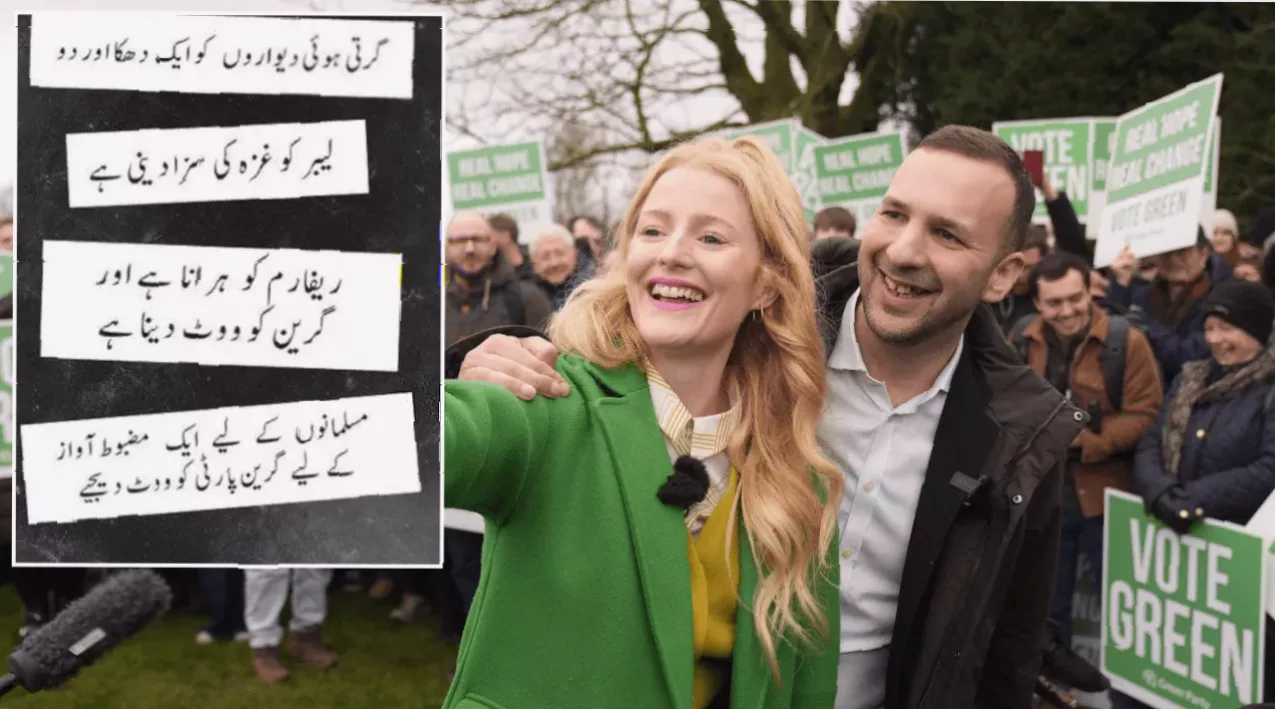
In detailed remarks, the MP for Hamble Valley framed his amendment as a direct response to what he termed a “worrying rise in sectarian and separatist sentiment” and a specific controversy from May’s Gorton and Denton by-election. In that contest, which saw the Green Party secure a historic victory, the party distributed campaign leaflets in Urdu.
Mr Holmes stated that these leaflets urged voters to “give the Labour Party a punishing” over its stance on Gaza, a message he said was inaccessible to English-speaking residents. “It’s not fair on people who speak English to have literature put through their doors in Urdu,” he argued. “Those people are not able to read those leaflets either.”
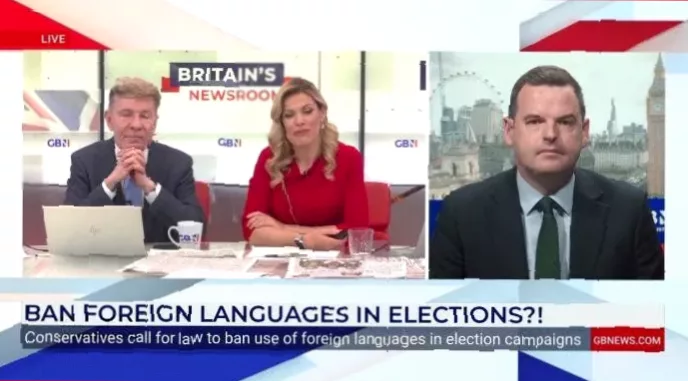
His proposed “English only digital and physical election literature law” would permit only English or an official language of the British Isles. He connected the policy directly to broader Conservative philosophy on integration, championed by party leader Kemi Badenoch, who has previously argued for policies that emphasise British values and stated that “not all cultures are equally valid”.
“The Government has too much of a focus on translation and not enough focus on actually teaching people to speak English,” Mr Holmes said. “If you want to have the ability to vote in our democratic process, then you should be able to speak English.”
He expressed doubt that the Green Party would support his amendment, stating: “I doubt the Greens will back this, they were the ones that were guilty of it.” He also suggested the Labour government had a “track record” on the issue and that he did “not expect miracles” in securing cross-party support.
Related Concerns Over “Family Voting”
The by-election that sparked this proposal has also raised separate, serious concerns about electoral integrity, which Mr Holmes highlighted. He criticised the government for not wanting to “take any further action” on alleged “family voting” in Gorton and Denton.
He cited reports from the observer group Democracy Volunteers, which had flagged a high number of instances where families reportedly entered polling stations together, with the head of the household instructing others how to vote in front of staff. “That’s illegal,” Mr Holmes said, arguing that returning officers need clearer guidance and empowerment to enforce rules against the practice.
For the Conservative MP, both issues—foreign language literature and the intimidation of “family voting”—strike at the same principle: ensuring every voter has an equal and independent engagement with the political process. “It’s about everybody having that equal right,” he concluded.