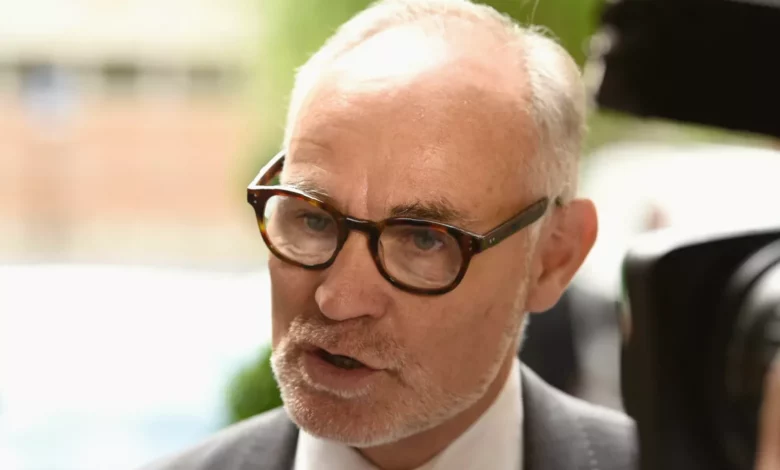
Crispin Blunt, the former Conservative justice minister, has been fined £1,200 after pleading guilty to possessing a stash of illegal drugs linked to chemsex, telling a court his personal involvement in the scene was used to inform his campaign for radical policy reform.
The 65-year-old, who represented himself, appeared at Westminster Magistrates’ Court to admit four charges of drug possession relating to a police search of his home in Horley, Surrey, on 25 October 2023. He pleaded guilty to one count of possessing the Class A drug methamphetamine, or crystal meth, and three counts of possessing Class B drugs: cannabis, amphetamine, and GBL.
Prosecutor Zarah Dickinson told the court that during the search, Blunt was “polite” and “calm” as he pointed officers towards the substances. These included crystal meth valued between £200 and £250 on a bedside table, plastic bottles of a crystal meth and amphetamine mix, another bottle containing £200 worth of GBL, and a small bag of cannabis. Police also found weighing scales with powder residue and other “drug use paraphernalia”.
‘First-hand experience’ to inform policy
In an extraordinary address to the court lasting over 30 minutes, the former MP launched a robust defence of his actions and a sweeping critique of UK drug laws. He stated that after being appointed Parliamentary Under-Secretary of State for Prisons and Youth Justice in David Cameron’s government in 2010, he developed a professional interest in drug policy.

Blunt claimed his “first-hand experience” – which included hosting drug-fuelled chemsex parties at his home – was used to inform his work. “It was the first time he had come out as a gay man, and during his ministerial role he saw first-hand the harm caused by the government’s drug policy,” said Ms Dickinson, summarising his police interview. He told the court his time in government led him to the “very firm conclusion we are blind to the global catastrophe of the prohibition of all narcotics”.
His advocacy for reform is long-standing. Blunt is the Chair of the All Party Parliamentary Group on Drug Policy Reform and the Conservative Drug Policy Reform Group, having publicly supported cannabis legalisation and the decriminalisation of psilocybin. He argued in court that politicians often hold a “moral simplicity that drugs are bad, they are banned, without regard to the appalling consequences”, a position he suggested kept them “safe on the moral high ground”.
Claims of blackmail and a wider agenda
Blunt claimed the charges against him arose from a blackmail and extortion plot. He told the court he met a builder at a party who later became his drug supplier, and that their friendship soured when the man demanded money, accusing Blunt and his partner of raping him at a chemsex event. “In messages, he said I was going to pay with my career,” Blunt stated. He said he paid £2,000 to “buy myself some time” before reporting the extortion to police, who he said decided not to pursue charges.
The former MP also suggested his prosecution was influenced by his political views on other contentious issues, including trans rights and his calls for a ceasefire in the Israel-Palestine conflict. He told the court he believed Prime Minister Sunak had become “complicit in war crimes” through support for Israel, and suggested this stance was part of the background to his case.
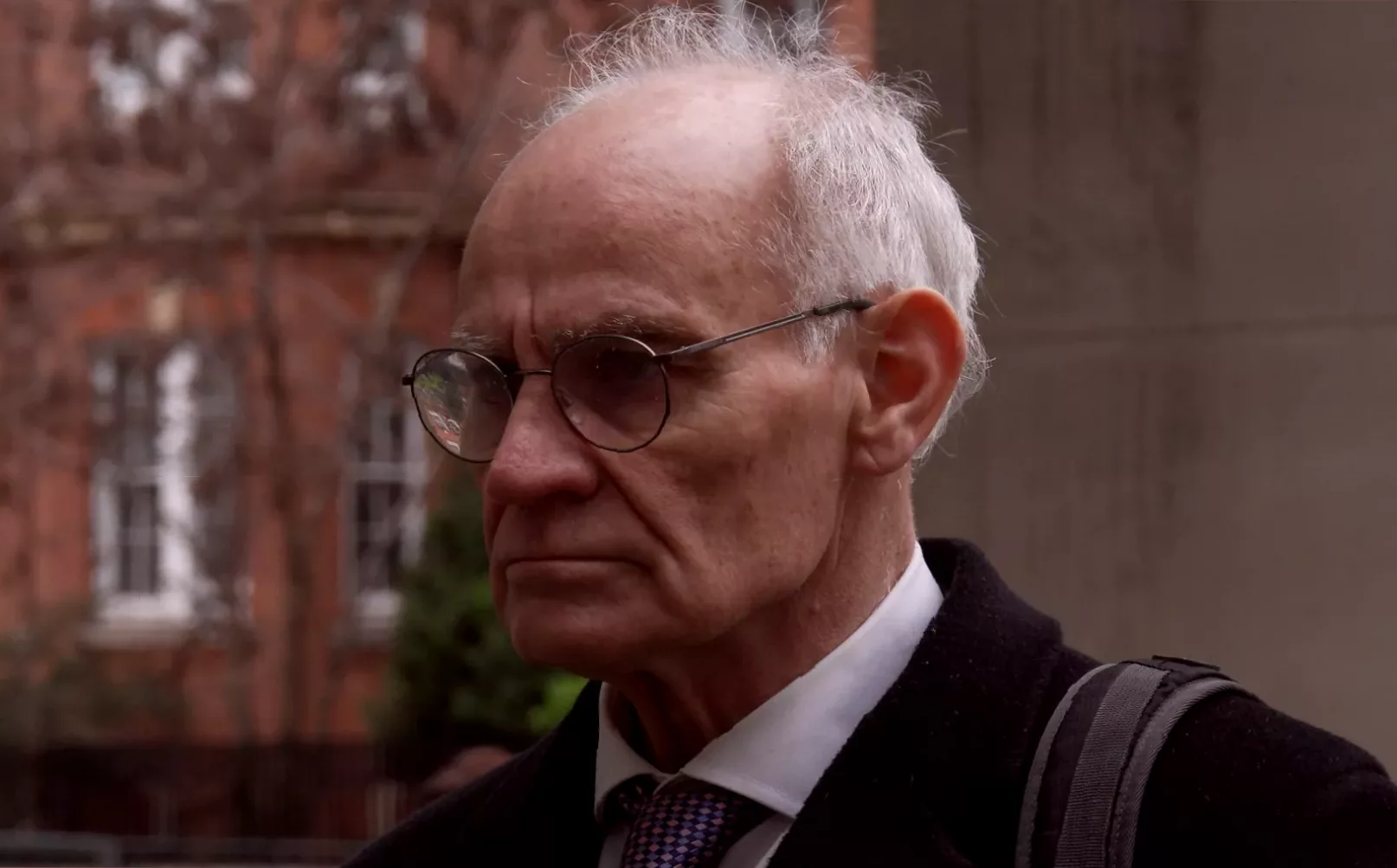
Blunt, a former British Army officer and graduate of the Royal Military Academy Sandhurst, served as the Conservative MP for Reigate for over 25 years, from 1997 until he stood down at the 2024 general election. He chaired the Foreign Affairs Select Committee between 2015 and 2017. He lost the Conservative whip following his arrest in October 2023 and sat as an independent until his departure from Parliament. The police search that uncovered the drugs was part of a separate, 18-month investigation into a rape allegation against him, which concluded with no charges being brought due to insufficient evidence.
The court heard Blunt had initially planned to plead not guilty, aiming to argue to a jury that drug possession “shouldn’t really be offences”. He said he changed his plea to guilty to spare his family further publicity.
Judge’s remarks on the ‘rule of law’
Sentencing him, Deputy Chief Magistrate Tan Ikram ordered Blunt to pay a £480 victim surcharge and £200 in costs on top of the £1,200 fine. The judge told the former minister: “As a former minister for prisons, probation, and justice, you – like all public servants – served as a role model to all.”
“I do note your views and your position on prohibition on possession and usage of drugs,” said Mr Ikram. “That said, I’m sure you as a former parliamentarian believe in the rule of law. The fact is your actions have risked undermining confidence in all parliamentarians by breaking the very laws you enacted.”
The magistrate said the offences were aggravated by Blunt’s admission to hosting drug parties and facilitating the use of illegal substances by others. During proceedings, Blunt had claimed he limited guests at his chemsex parties to one gram an hour of GBL, a drug which can be fatal in high doses.
Chemsex, a term describing sex between men under the influence of specific drugs to enhance the experience, commonly involves substances like crystal methamphetamine, GHB, GBL, and mephedrone in the UK. Research indicates that LGBT+ people, particularly gay and bisexual men, face disproportionate drug-related harms and health inequalities, often encountering stigma when seeking support.