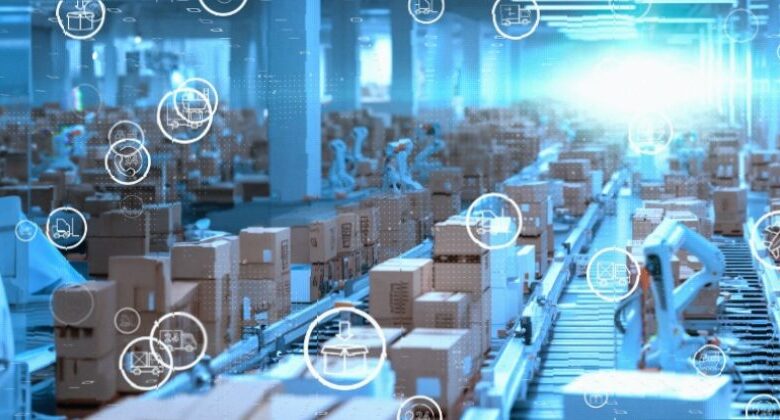
The modern warehouse is undergoing a silent revolution, where the clang of steel is being supplemented by the hum of robotics and the silent vigilance of artificial intelligence, all converging to create environments where safety and operational efficiency are fundamentally intertwined. This shift moves beyond traditional health and safety compliance, focusing on proactive protection of both people and the vital assets that keep industry moving.
The Persistent Risks and a Foundational Defence
At the heart of any busy distribution centre or manufacturing plant lies a high-risk scenario: the constant coexistence of heavy machinery, such as forklifts and reach trucks, with foot traffic. Training and personal protective equipment, while essential, are often insufficient without physical demarcation to mitigate the risk of collision. The stakes extend beyond personal injury to critical infrastructure; a low-speed impact from a pallet jack can damage support columns, electrical panels, or shelving units, triggering dangerous domino effects and costly operational downtime. Protecting these junctions safeguards the nervous system of a business’s operations, a priority for facility managers.
This is where indoor protection barrier systems form a critical, physical first line of defence. As emphasized by safety equipment supplier Seton, choosing the right barrier requires a careful assessment of specific hazards in defined zones, avoiding a one-size-fits-all approach that can lead to personnel disregarding needless obstructions. The core choice often lies between steel and polymer barriers. Steel offers the most rigid protection, ideal for guarding structural components, but transfers impact energy directly to the floor and vehicle, potentially causing more damage and requiring frequent repair. In contrast, polymer barriers—increasingly favoured in smart safety infrastructure—are designed to flex upon impact, absorbing and dissipating kinetic energy before returning to their original shape. This not only minimises damage to vehicles and infrastructure but also protects floor integrity, reduces the risk of injury, and offers benefits like rust resistance and maintained visibility over time, according to industry analysis.
The Rise of Intelligent Systems
The physical barrier is now just one component of an integrated smart safety ecosystem. Robotics and automation are reducing human exposure to hazardous tasks; Autonomous Mobile Robots (AMRs) and Automated Guided Vehicles (AGVs) handle repetitive work, while collaborative robots (cobots) are designed to work safely alongside humans. These systems are underpinned by artificial intelligence and machine learning, enabling real-time adaptation, predictive analytics for equipment maintenance, and continuous monitoring of warehouse workflows to identify risks and optimise safety Key Performance Indicators (KPIs).
This intelligence extends to traffic management and sensory awareness. Advanced systems employ radar speed zoning, building antennas for zone alerts, and proximity warning systems with visual and audio cues—some can even take automatic corrective action to avert collisions. Proximity detection using technologies like ultra-wideband (UWB) offers real-time monitoring of people and obstacles, eliminating blind spots. Furthermore, IoT and AI-powered pedestrian detection systems, alongside sensors including LiDAR, infrared, and vision systems, enable constant surveillance of warehouse conditions, issuing alerts for hazards or breached protocols.
Practical Applications and Adaptable Solutions
In practice, this technology manifests in varied applications. Industrial barriers create safe pedestrian walkways in environments like breweries, serving the dual purpose of protecting staff and managing visitor flow. Racking protection, through corner guards and end-of-aisle protectors, takes the brunt of impacts in tight forklift maneuvering spaces, preserving storage systems. The need for adaptability is also key; while some areas require fixed installations, others benefit from flexible solutions. Lightweight, portable barriers can be deployed in seconds to cordon off spills or temporary hazards, while modular post-and-barrier systems allow for the reconfiguration of queuing areas or walkways in dynamic spaces like transport hubs, enabling workflow changes without the sunk cost of permanent alterations.
The Tangible Returns and Inherent Challenges
Investing in this blend of physical and smart infrastructure is a proactive step with measurable returns. The benefits are multifaceted: a substantial reduction in workplace injuries—with some studies suggesting decreases of up to 70%—due to minimized human error, fewer accidents lead to lower insurance premiums and workers’ compensation claims. Asset protection prevents expensive downtime, while guided traffic flow and automated tasks enhance overall productivity. Polymer barriers, for instance, despite a potentially higher initial outlay, often yield a lower total cost of ownership through reduced maintenance. Moreover, automated systems can be programmed to ensure stricter compliance with safety regulations.
However, this evolution is not without its challenges. The adoption of automation necessitates significant workforce upskilling to manage and maintain new systems. Integrating diverse automated systems, from warehouse management software to IoT devices, can be complex. As facilities become more connected, cybersecurity becomes paramount to protect sensitive data. Perhaps the most immediate hurdle is the significant initial investment required for comprehensive automation and smart safety infrastructure.
The trajectory, however, is clear. The trend towards automated warehouses is accelerating, with the focus shifting from merely replacing human labour to enhancing human roles within safer, more efficient, and adaptable work environments. By weaving together robust physical barriers, intelligent robotics, and data-driven monitoring, the modern facility is redefining the very equation of industrial safety, where protecting people and safeguarding assets are two inseparable halves of a strategic whole.