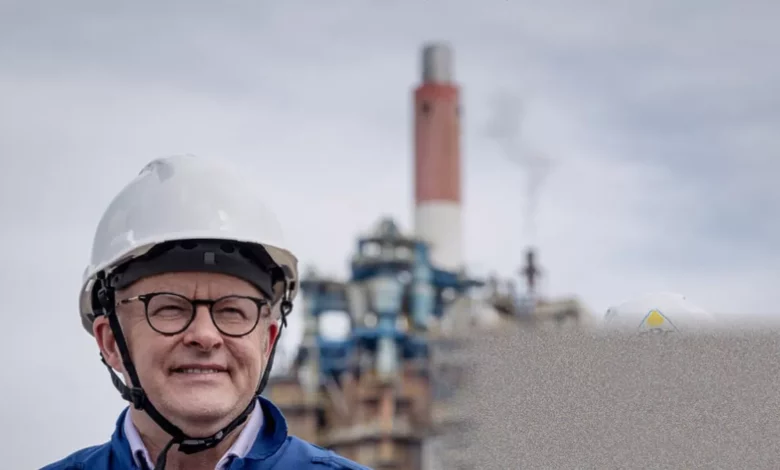
In a significant move to bolster the nation’s energy security, Australia has secured a near-guarantee from Singapore that its critical supply of refined fuels will continue uninterrupted, despite the deepening global energy crisis sparked by conflict in the Middle East. The assurance came during a whirlwind visit by Prime Minister Anthony Albanese, aimed at future-proofing supplies rather than seeking an immediate, additional shipment.
Singaporean Prime Minister Lawrence Wong offered a firm response to his Australian counterpart, stating, “We do not plan to restrict exports… we will not do so during this energy crisis.” Australian Energy Minister Chris Bowen described the diplomatic statement as “as strong as you could expect it to be,” with the government viewing it as a pivotal commitment from the source of 26% of Australia’s refined fuel imports, including 55% of its petrol.
The Core Objective: Securing Existing Supply Amid Global Turmoil
The core reason for the prime minister’s mission was not to bring home a new shipload of diesel, but to shore up existing supply lines against the profound uncertainty emanating from the Middle East. The visit was a strategic exercise in forward-planning, driven by a stark geopolitical reality. The ongoing US-Israel-Iran conflict has triggered the near-closure of the Strait of Hormuz, a chokepoint for 20-30% of global oil and LNG trade, causing what the International Energy Agency calls “the greatest threat to global energy security in history”.
This disruption has already led to the largest supply shock in the modern oil market, spiking global prices and exacerbating vulnerabilities for import-dependent nations like Australia, which sources 84% of its petroleum products from abroad. While the Australian government maintains that onshore fuel stocks are higher now than at the conflict’s outset, and that localized shortages are driven by soaring demand and panic buying, the trip to Singapore was an acknowledgment of a far riskier future.
As Mr Albanese warned, “there’s been substantial damage in the Gulf and that will have consequences for a period of at least months ahead.” The fragility of any ceasefire was underlined by Prime Minister Wong’s own caveat in his assurances: Singapore would continue supplying Australia “as long as upstream supplies continue”. Given Singapore itself imports crude oil to refine, its ability to export depends entirely on those upstream supplies not being choked off by a worsened conflict, such as a shattered ceasefire or an Israeli escalation in Lebanon prompting Iran to fully close the Strait.
A Mutual Partnership and Future Planning
The diplomatic engagement leveraged Australia’s own strategic exports to reinforce the partnership. During the visit, Mr Albanese toured refining facilities on Jurong Island and watched an Australian ship unload Liquefied Natural Gas—a reminder that Australia supplies about one-third of Singapore’s LNG imports. This mutual dependence was formalised in a new agreement where both nations committed to “make maximum efforts to meet each other’s energy security needs,” a pact set to become a legally binding addendum to their free trade agreement.
This strategy of projecting calm while planning for a potential rainy day is being replicated across government. It includes diplomatic outreach to other major fuel suppliers like China, Brunei, Japan, and South Korea; leveraging exports of LNG and coal to remind partners of reciprocal needs; and underwriting new shipments for domestic refineries like Viva and Ampol. Domestically, a national fuel supply taskforce has been established, and measures like temporarily relaxing sulphur standards have been implemented to enhance supply chain flexibility.
The opposition Coalition has criticised the reliance on foreign assurances and the lack of an immediate, tangible boost in fuel. However, for the government, the value of the Singapore trip is measured in long-term risk mitigation. As the Prime Minister noted, the day you secure an assurance is not the day the fuel arrives. With experts warning that the consequences of infrastructure damage and shipping disruptions will ripple for months, the near-ironclad guarantee from Singapore represents a critical step in a broader, uncertain campaign to secure Australia’s energy needs.