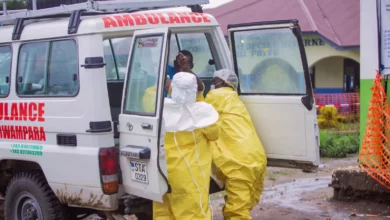
The steady decline in the number of women dying during pregnancy and childbirth has stalled and is now going into reverse, as major aid cuts by the United States and Britain strip funding from maternal health programmes across the developing world, new data confirms.
Global progress in tackling preventable maternal mortality had been dramatic – the rate fell by roughly 40 per cent between 2000 and 2023, from 328 deaths per 100,000 live births to 197 per 100,000 live births, according to the World Health Organisation (WHO). But that progress has slowed sharply since 2016. The average annual reduction between 2016 and 2023 was just 0.5 per cent, down from nearly 3 per cent a year between 2000 and 2015. The WHO now warns that the latest round of foreign aid cuts by the US, the UK and other donors will start to reverse those hard-won gains.
Progress unravels as funding dries up
Globally, more than 700 women die every day from preventable causes related to pregnancy and childbirth. Sub-Saharan Africa alone accounts for approximately 70 per cent of all maternal deaths. The UN’s Sustainable Development Goal target 3.1 – to reduce the global maternal mortality ratio to below 70 deaths per 100,000 live births by 2030 – is now almost certainly out of reach. To hit that target, the ratio would need to fall by about 15 per cent every year, a rate rarely achieved even in the best-funded health systems. Nearly 700,000 additional deaths would need to be prevented between 2024 and 2030 just to get on track.
The reversal is being driven by a dramatic reduction in international assistance. Under Donald Trump, US foreign assistance programmes were slashed by 57 per cent last year, and USAID officially ceased operations on July 1, 2025, with some functions transferred to the State Department. Global aid fell by 23 per cent in 2025 compared with 2024, and is projected to drop a further 5.8 per cent in 2026. The UK government is also cutting deeply: the foreign secretary, Yvette Cooper, has set out plans to reduce bilateral support for African countries from £1.3 billion a year to £677 million over three years – a drop of 56 per cent – with countries including Uganda, Kenya, Tanzania, Zambia, Malawi, Mozambique, Rwanda, Zimbabwe, Ghana, Mauritius, Senegal and Sierra Leone hit hardest. Total UK aid spending is expected to fall from £10 billion in 2026-27 to £8.9 billion the following year, before rising slightly to £9.4 billion in 2028-29. Spending on humanitarian crisis relief will be cut by 15 per cent, to just under £300 million a year.
The impact on maternal health is already being felt. Research published in BMJ Global Health earlier this year found that under Republican presidencies, global family planning aid typically drops and maternal mortality in aid-receiving countries rises by 11 per cent – equivalent to around 45 additional deaths per 100,000 live births. This pattern is linked to the reinstatement of the “global gag rule”, which bars US funding for overseas organisations that provide abortion-related services; under Trump the policy was expanded to cover all US global health aid.
A study in The Lancet this year projected that cuts to global aid funding could lead to 22.6 million additional deaths by 2030, including 5.4 million children under five. In a less severe scenario, the figure is 9.4 million extra deaths. A separate paper, published in The Lancet Global Health in March, focused on maternal mortality in six highly vulnerable West African countries – Burkina Faso, the Central African Republic, Chad, Mali, Niger and Nigeria. It projected that Trump’s termination of USAID programmes could cause maternal deaths to increase by an average of 45 per cent across these nations within a single year – approximately 1,000 additional deaths per 100,000 live births. Niger is expected to see the largest proportional increase, of more than 90 per cent, while Nigeria faces the largest absolute increase, of over 300 deaths.
The Guttmacher Institute, a reproductive rights research group, has estimated that the termination of USAID health programmes alone likely resulted in 34,000 women and girls dying from complications during pregnancy or birth last year. If 11.7 million women and girls are denied access to contraceptive care because of the funding freezes, around 8,340 additional maternal deaths could result. The institute notes that every $1 spent on contraceptive services in low- and middle-income countries saves $3 in pregnancy-related and newborn care costs.
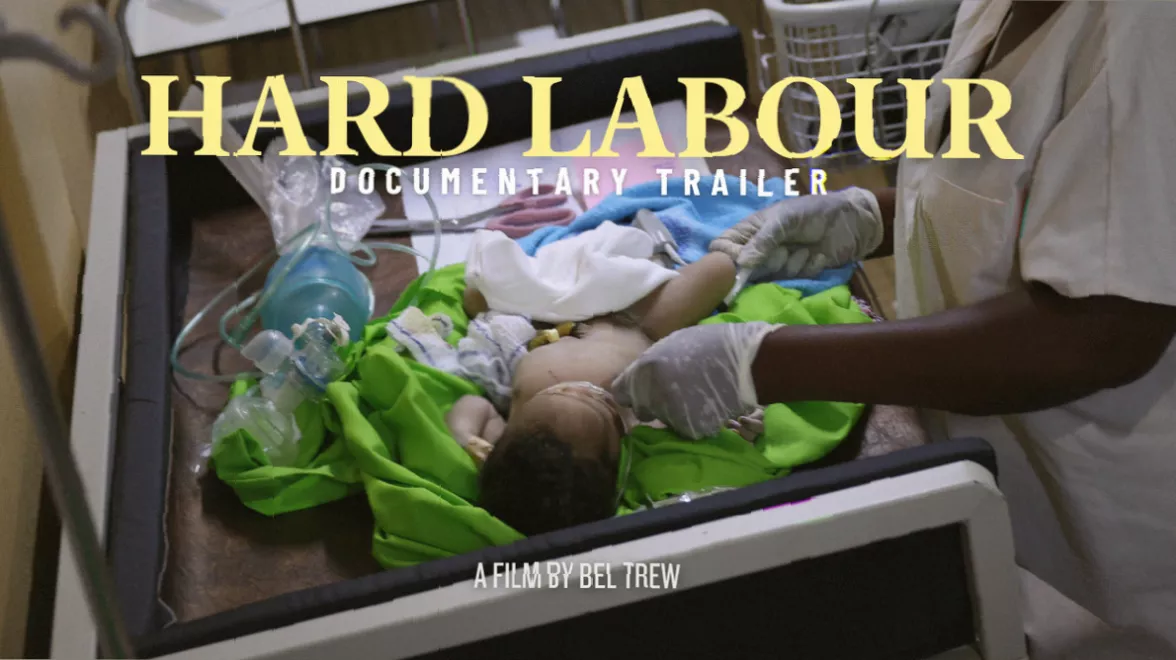
The research also shows that reductions in official development assistance (ODA) can negate huge amounts of progress. One study found that aid sanctions lasting five years or more can erase 64 per cent of the gains made against maternal mortality in low-resource countries.
On the front line: a hospital in crisis
The human cost of these cuts is playing out along the border between the Central African Republic and Sudan, where a civil war has entered its fourth year. The Central African Republic already has the second-highest rate of neonatal deaths globally, according to the UN, and a maternal mortality ratio of 692 deaths per 100,000 live births in 2023 – more than three times the global average. Decades of instability have devastated the country’s healthcare infrastructure: only 40 per cent of births are attended by skilled health personnel.
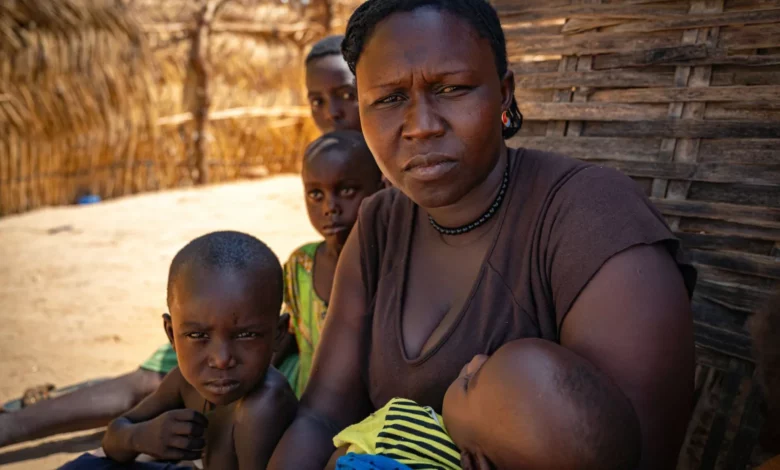
Busayna, 25, fled massacres in Darfur on foot after militants murdered her husband. She now lives in a mud hut around 40 miles from the Sudanese border, in the refugee camp at Birao. Mobile health clinics funded by USAID that serviced the camp were cancelled following Trump’s cuts. When she gave birth to her fifth child a few months ago, she had no money or food and had to walk to the nearest clinic while in labour.
“My 35-year-old cousin, who had only just escaped Sudan, recently died in hospital while giving birth,” she said. “After arriving here, she underwent an emergency operation, but the baby died. A few days later, she also passed away. We couldn’t afford the medicine or blood she needed from the hospital, so she bled out. When I gave birth, we had no money or food as well. I am alone and struggling to provide.”
The head of the hospital where Busayna gave birth, Dr Ngonzo Lezin, said the facility had lost 12 staff members because of funding cuts, including eight from the maternity wards – among them all the midwives. “It is truly a catastrophe for the community. We will return to rudimentary practices, traditional treatments and care at home, which will only increase mortality,” he said from outside the maternity ward. “Our prayer is that someone can step in to support our healthcare system. The number of maternal deaths will rise. The number of child deaths will rise. For me, it is a cry from the heart.”
Monica Ferro, head of the United Nations Population Fund’s London office, said the work of the last 20 years had given the world “hope that finally the world would be on track to reach zero preventable maternal deaths”. But, she added: “We know that when funding is cut, services are shut down and women die. It is that simple. It may sound cruel, but it is that simple, and we have the evidence to prove it. The women and girls who are losing access to services will not forgive us for promising them a world with more dignity and then failing them because funding is being withdrawn.”