A new YouGov poll has found that Labour and Reform UK are the parties most frequently identified by the public as having an antisemitism problem, with both cited by 33 per cent of respondents – rather than the Green Party, which has faced intense scrutiny over recent controversies. The survey of 2,377 Britons, conducted on 4 and 5 May, put the Green Party on 25 per cent, the Conservatives on 16 per cent and the Liberal Democrats on 13 per cent.
Poll data shows broad concern about antisemitism
The poll, carried out in the aftermath of the Golders Green stabbing attack, found that almost two-thirds of the public (63 per cent) believe prejudice against Jews is a major or significant problem in British society. Green Party supporters are as likely as Labour, Conservative and Liberal Democrat voters to view antisemitism as a substantial problem, with approximately 70 per cent of all these voters taking that view. Reform UK voters are the least likely to say so at 63 per cent, which is in line with the views of the wider public.
Older Britons are most likely to see antisemitism as a problem – 73 per cent of over-65s – while ethnic minority Britons are the least likely, at 48 per cent. Voters aged 18–24 are also less likely to regard antisemitism as a severe problem (58 per cent), as are 59 per cent of men overall. The youngest adults were the only age group more likely to say other groups face discrimination: seven in 10 of those aged 18–24 identified prejudice against Muslims as a major or significant problem, with about 60 per cent saying the same of black people, women and transgender people.
Golders Green attack and Zack Polanski’s social media row
The poll was conducted after the stabbing of two Jewish men, Shloime Rand, 34, and Norman Shine, 76, in Golders Green, north London, on 29 April. The attack has been declared a terrorist incident by the police. The alleged attacker, Essa Suleiman, 45, a British national born in Somalia, was charged with three counts of attempted murder and possession of a bladed article. He was previously referred to the government’s Prevent programme in 2020, but his case was closed later that year. He is also accused of attacking a friend, Ishmail Hussein, in Southwark earlier that day. Rand suffered a punctured lung and has since been discharged from hospital; Shine was stabbed in the neck and remains in stable condition. Following the attack, the UK government raised the national terror threat level from “substantial” to “severe”.
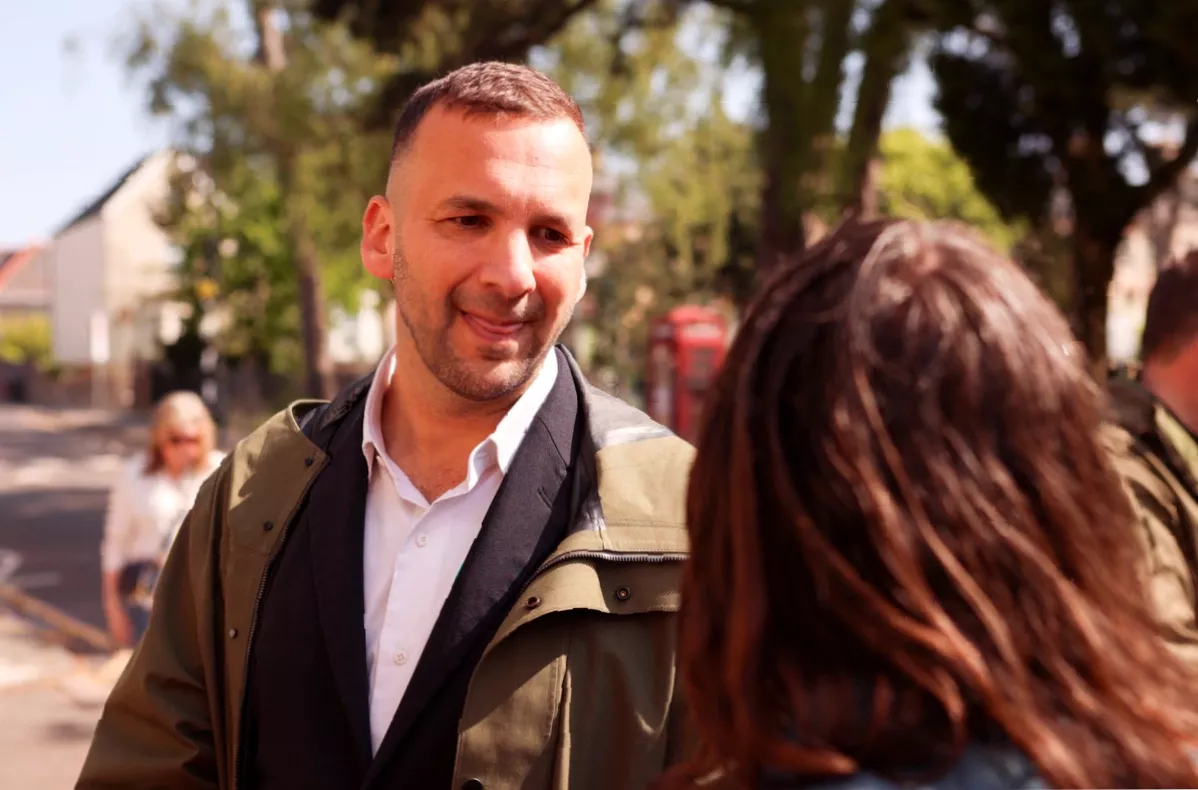
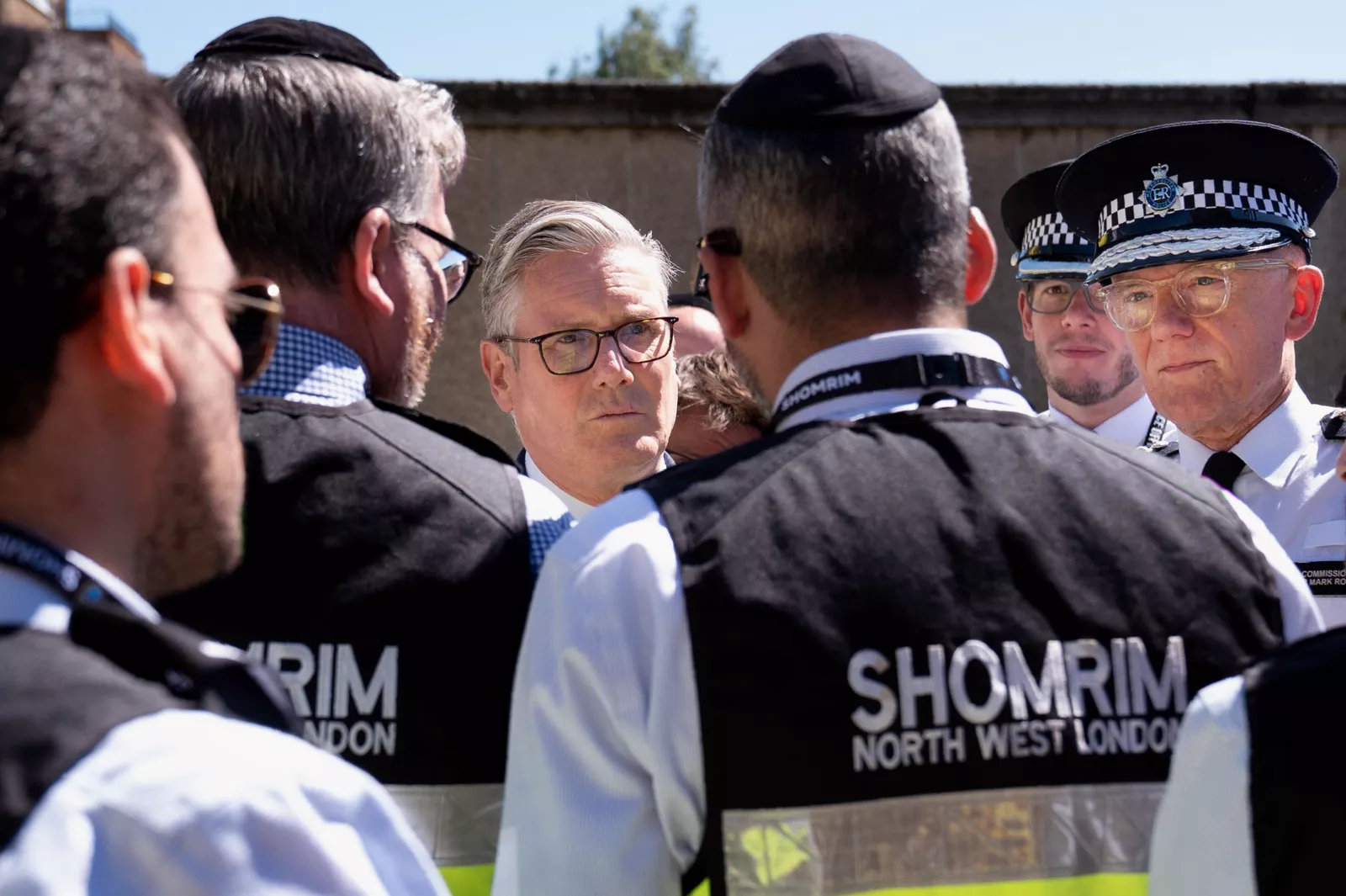
Zack Polanski, the Green Party’s deputy leader and the only current Jewish leader of a major political party in the UK, sparked outrage by sharing criticism of the police on social media after footage showed officers repeatedly kicking the suspect in the head after he had been tasered. Polanski apologised for sharing the post “in haste”, insisting that police should not be above scrutiny and that actions must be proportionate. Metropolitan Police Commissioner Sir Mark Rowley criticised the retweet, calling it “inaccurate and misinformed commentary” that risked undermining public confidence. Prime Minister Sir Keir Starmer described Polanski’s actions as “disgraceful”. Negative attitudes towards Polanski reportedly spiked following the incident.
Green Party candidates accused of antisemitic remarks
Alongside the Polanski controversy, the Green Party faces broader accusations of antisemitism after Labour said it would release a document exposing 25 Green Party local election candidates for having “disturbing views”. Labour’s video highlighted alleged comments including “Ramming a synagogue isn’t antisemitism, it’s revenge” and “It takes a serious effort not to be a tiny bit antisemitic”. The party accused the candidates of “a raft of harrowing antisemitism, dangerous conspiracy theories and appalling comments supporting Hamas and Russia”. Two of those identified, Saiqa Ali and Sabine Mairey, were arrested on suspicion of inciting racial hatred online – Ali allegedly shared posts blaming Israel for the 11 September attacks, and Mairey reportedly shared a post describing a ramming attack on a synagogue as “revenge”. Both have since been suspended by the party.
Labour has urged the Green Party to expel candidates accused of spreading “antisemitic hatred”. Former Green leader Caroline Lucas called for “immediate action” against those with unacceptable comments. The Green Party has stated that the comments were made by a “handful” of their approximately 4,500 candidates and that those individuals are no longer supported by the party, adding that antisemitism is a “society-wide problem”.
Broader context: rising antisemitism and new hate crime guidance
Sir Keir Starmer has called for a “whole of society” response to rising antisemitism in the wake of the Golders Green attack, and warned that attempts by Iran to destabilise British society “will not be tolerated” amid suspicion that Tehran could be stirring up hatred. The Director of Public Prosecutions, Stephen Parkinson, has issued new guidance to fast-track hate crime prosecutions following “a deeply troubling rise in antisemitic incidents across the country”. The Community Security Trust charity has reported a significant surge in antisemitic attacks since October 2023, coinciding with the Gaza conflict.
Public concern is reflected in other polls: nearly half of Britons (45 per cent) now believe the UK is an unsafe place for Jewish people, and a significant majority of British Jews (51 per cent) feel they do not have a long-term future in the country. Historical YouGov polling found that nearly half the British population agreed with at least one antisemitic statement in 2015, and a September 2025 poll indicated that 21 per cent of the public agreed with at least four antisemitic statements, with almost half (45 per cent) believing Israel treated Palestinians like the Nazis treated Jews – a figure that rose to 60 per cent among 18–24 year olds. A December 2025 poll found that 98 per cent of British Jews believe antisemitism has increased since October 2023, and 96 per cent feel less safe.
The same YouGov survey also examined Islamophobia: 57 per cent of the public said there is a problem with Islamophobia in British society. Reform UK was identified by 47 per cent of respondents as having a problem with Islamophobia, followed by the Conservatives at 27 per cent, Labour at 14 per cent, the Liberal Democrats at 8 per cent, and the Greens at 6 per cent. Young people and ethnic minorities were more likely to identify Islamophobia as a problem compared with other groups.