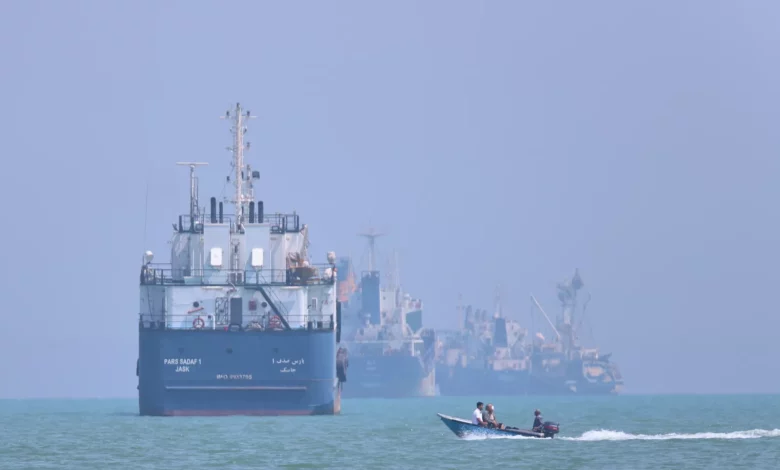
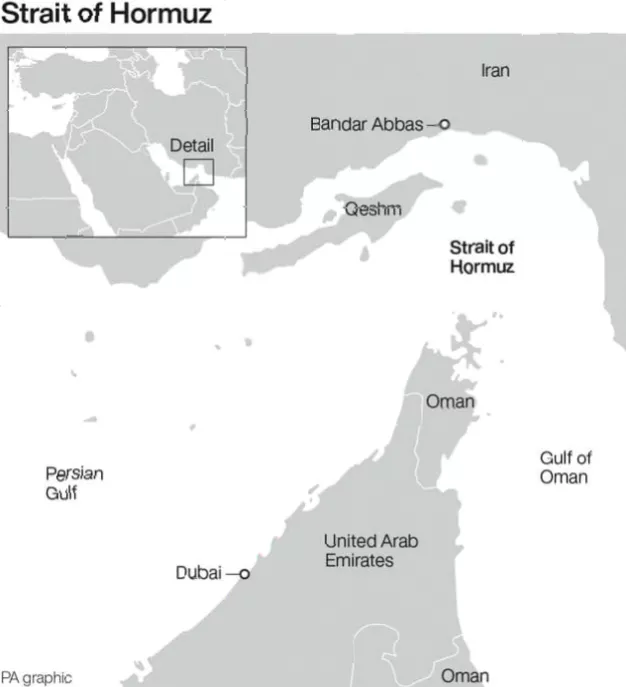
Iran has formally demanded that all vessels submit requests for passage through the Strait of Hormuz at least 48 hours in advance, a move that directly challenges the interim peace deal with the United States and the international principle of toll-free transit.
The new requirement was announced on Friday by the Persian Gulf Strait Authority (PGSA), a government agency created by Tehran on 5 May 2026 during the height of the Strait crisis. The PGSA, which describes its role as authorising and regulating maritime transit, now requires ship operators to apply for a permit exclusively through its website and email address, providing valid contact information. Passage without permission is considered illegal under the new system. The authority also introduced an insurance platform called “Hormuz Safe” to provide secure digital cover for Iranian vessels.
During the 60-day negotiation period provided for by the Memorandum of Understanding between Iran and the United States, the PGSA said it would waive “tariffs for security, safety, and environmental services, as well as related Iranian insurances”, with the costs to be borne by the Iranian government. However, the authority has reserved the right to introduce insurance fees once that period expires, leaving the door open for the imposition of transit charges that the US, UK and G7 allies have repeatedly said must never be revived.
The PGSA justified the new permit system on safety grounds, citing “the presence of mine-affected areas and the necessity of ensuring safe passage and preventing collisions”. Vessels are required to follow designated corridors through the waterway.
International backlash and the interim deal
The announcement came days after Prime Minister Sir Keir Starmer joined other G7 leaders at a summit in France to welcome the “breakthrough” agreement brokered by US President Donald Trump and to underline the “right of transit passage without restrictions or tolls” as a bedrock of international trade. The joint G7 statement backed the UK-French-led effort to enable safe passage once hostilities end, by reassuring commercial operators and verifying the removal of all mines. Sir Keir has previously highlighted the “untold economic damage” caused by the effective closure of the waterway, but his government has not yet confirmed when British support for the defensive mission will arrive. HMS Dragon has been forward-deployed to the region as part of those preparations, and over a dozen countries have offered to contribute assets to the multinational mission.
The US Treasury Department has already sanctioned the PGSA, accusing it of being an extortion arm of Iran’s Revolutionary Guard (IRGC) and of forcing vessels to pay “illegitimate tolls”. It warned that entities cooperating with the authority, including through toll payments, may face sanctions.
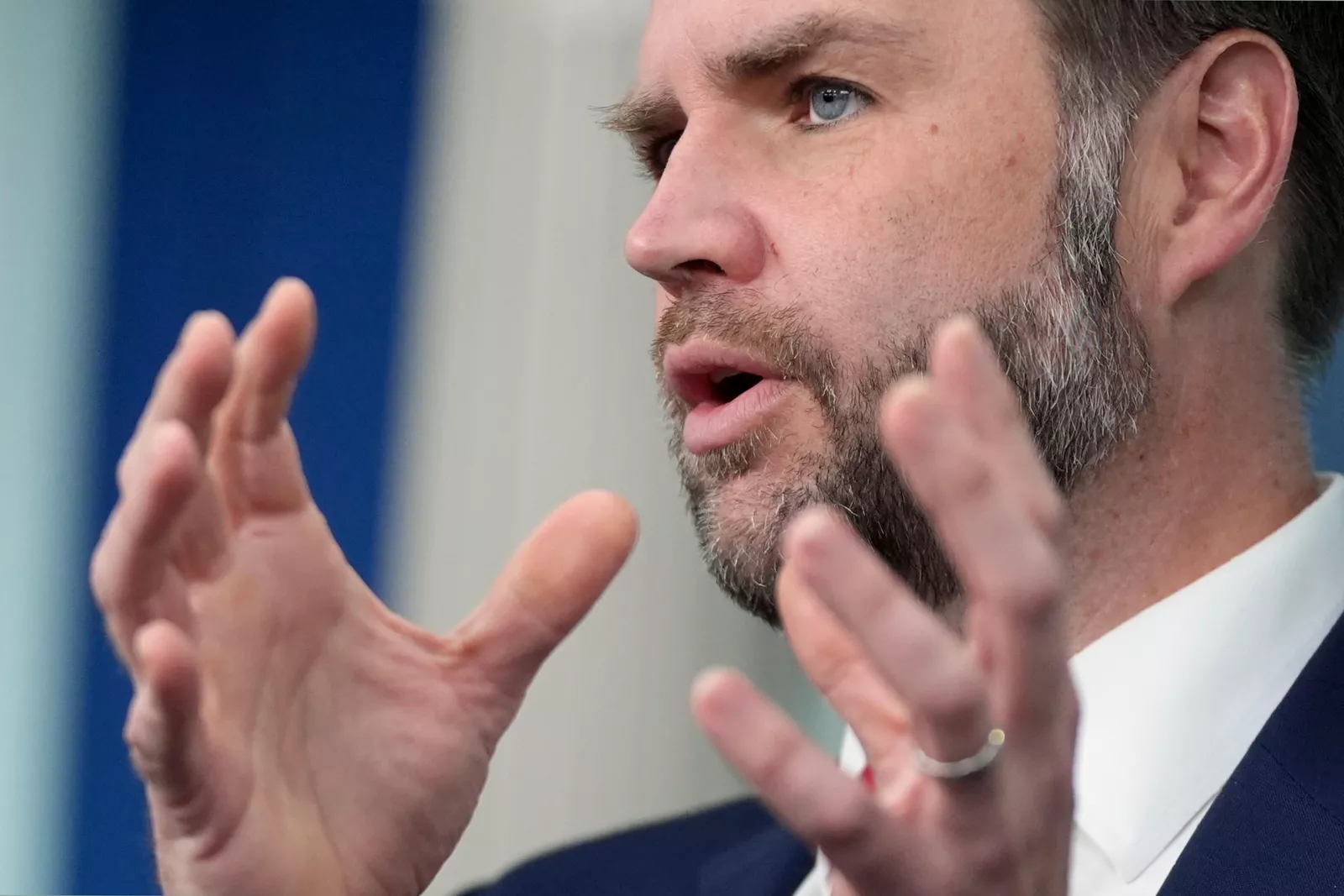
Speaking at a White House briefing on Thursday, Vice President JD Vance restated the administration’s position that international waterways “should be free of tolls” and that the Strait of Hormuz should “never be used as a chokepoint for the global economy ever again”. He added: “The final negotiations can set the terms of what comes afterwards” and claimed: “We have all the cards.” President Trump wrote on his Truth Social platform that Iran was “finished”, saying: “We didn’t meet out of desperation, Iran did. We’ll play out the 60 days. They get no money, not ten cents!”
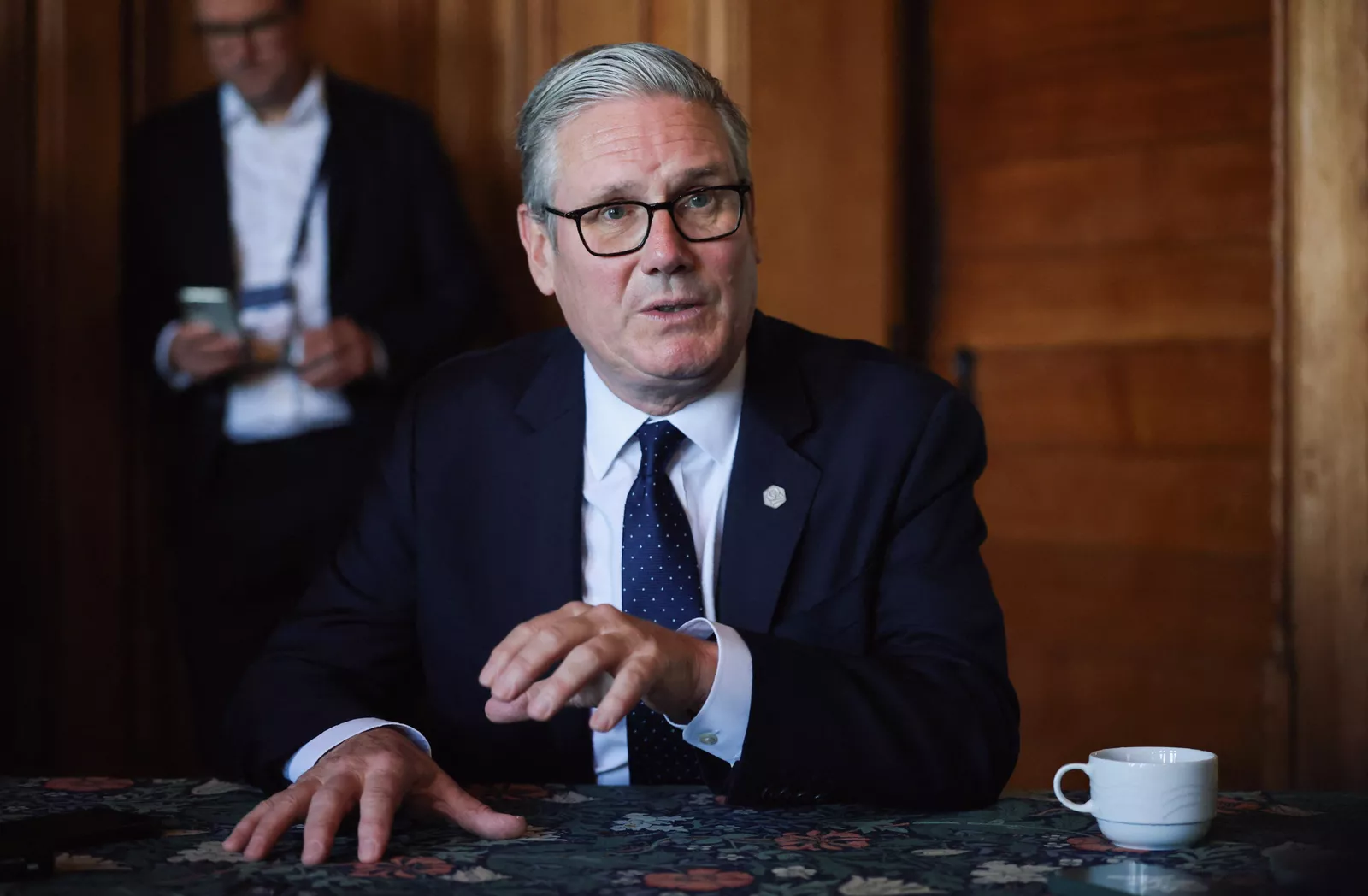
A Foreign Office spokesperson said the UK congratulated the US, Iran and all mediators including Pakistan and Qatar on the diplomatic breakthrough, but stressed: “Our position has been consistent and will not change. We are clear that toll-free freedom of navigation must now be restored in the Strait of Hormuz in line with international law… There can be no place for Iranian tolls.”
Conditions of the interim agreement and ambiguities ahead
The interim deal, which ended nearly four months of war between the US and Iran, secures safe, toll-free passage of the strait for only 60 days, pending a final settlement on Tehran’s disputed nuclear programme. The accord leaves it to Iran and Oman, in conjunction with other Gulf states, to “define the future administration and maritime services in the Strait of Hormuz”, although it states this must be “in line with the applicable international law” — a principle that upholds freedom of navigation under the UN Convention on the Law of the Sea (UNCLOS). Iran has signed but not ratified UNCLOS, and its interpretation of maritime law differs from that of most Western nations.
The agreement allowed Iran to immediately begin selling its oil, with the future promise of economic sanctions being lifted, frozen assets released and access to a $300 billion (£227 billion) reconstruction fund if a final deal on its nuclear programme is reached. The US has lifted its naval blockade of Iran, and commercial vessels have begun transiting the strait. However, significant details about the reopening, remaining restrictions and traffic regulation remain unclear. Iran has agreed not to develop nuclear weapons — a commitment previously made under the 2015 JCPOA — but the exact terms regarding its enriched uranium stockpile and future enrichment levels are still to be negotiated within the 60-day timetable.
The deal has sparked criticism in Washington, including among some of President Trump’s Republican allies, who argue the concessions go too far. Mr Trump abandoned his original demand for the complete destruction of Iran’s ballistic missiles, arguing it would be “unfair” if they did not have some. Former President Barack Obama said the US appeared “worse off” now than before the war, telling NBC: “We’ve now fought a war, spent billions and billions of dollars… A lot of people have died. And it feels like we’re back where we were before we started the war, except maybe a little bit worse off.” He noted that the 2015 deal his administration struck had prevented Iran from developing nuclear weapons, and that the Trump administration’s withdrawal from that accord “caused then Iran to develop more nuclear capacity”.
The economic impact of the disruption to the Strait of Hormuz, which carries approximately 20 per cent of the world’s oil and significant volumes of liquefied natural gas, has been described as the largest supply disruption in the history of the global oil market. Energy prices, freight costs and inflation have surged worldwide, affecting food and fertiliser prices, and economists have warned that even with the strait reopened, the damage will take months to unwind as higher inflation is already “baked in” across many economies.
Separately, a ceasefire was agreed between Israel and Hezbollah after intensified fighting in Lebanon, which led to the cancellation of planned US-Iran talks in Switzerland on Friday.