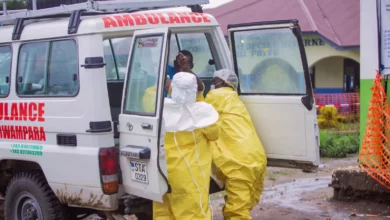
The human cost of the war between the United States and Iran, which began with devastating airstrikes on February 28, 2026, is measured in thousands of ordinary lives. According to Iranian authorities, more than 3,300 Iranians have been killed, a figure that includes 383 children. The true scale of civilian suffering is starkly illustrated by a single strike on the first day of the conflict, when a US missile hit the Shajareh Tayyebeh girls’ elementary school in Minab, killing between 165 and 180 people, most of them girls aged 7 to 12. UNICEF reports that over 340 children have been killed and thousands injured across the wider region since the war started. Beyond the immediate deaths, the conflict has uprooted millions; within Iran alone, an estimated 3.2 million people, including 864,000 children, are now displaced. The Iranian Red Crescent Society states that 763 schools and 316 medical centres have been severely damaged or destroyed, crippling essential services for a generation.
A Global Economy Permanently Scarred
The war’s economic shockwaves are now threatening stability far beyond the Middle East, with international bodies warning of permanent damage. Kristalina Georgieva, the Managing Director of the International Monetary Fund (IMF), has stated that the conflict has caused a profound supply shock, cutting global daily oil supply by 13% and liquefied natural gas supply by 20%. Even if peace were achieved overnight, she warns, the crisis would leave the global economy permanently scarred. The most severe scenario from the IMF could see global growth fall to around 2%, a threshold often associated with worldwide recession.
This pain is acutely felt in the world’s poorest nations. The combination of soaring energy, food, and fertiliser prices is a crushing burden for import-reliant countries. The World Food Programme projects that an additional 45 million people, primarily in Asia and Africa, could be pushed into acute food insecurity, risking a global “catastrophe”. Meanwhile, wealthier nations are not immune. The UN Development Programme estimates Arab economies could contract by up to 6%, losing as much as $194 billion and pushing 4 million people into poverty. Within this region, Gulf states like Qatar and Kuwait could see their national output contract by 14% if the war continues, with their critical desalination plants having been targeted.
In the UK, households are estimated to be £480 a year poorer due to the conflict, with the country expected to suffer the biggest economic shock of any major advanced economy. The Resolution Foundation projects this will result in higher inflation, unemployment rising by 150,000, and around 1.3 million more households facing increased mortgage costs. Even initially sanguine powers like China are reported to be growing increasingly concerned about the economic fallout.
The Trillion-Dollar Bill and an Uncertain Truce
For the United States, the initiator of the conflict through “Operation Epic Fury”, the financial reckoning is vast and growing. The Pentagon reportedly briefed senators that military costs topped $11.3bn in the first six days alone—a figure experts deride as a significant underestimate. Professor Linda Bilmes, a public finance expert at Harvard University, suggests the ultimate cost to the US will likely reach $1 trillion when long-term factors like veteran care and interest on debt are included. She notes the Pentagon’s accounting, which uses historical inventory values, masks true costs; a Tomahawk missile replaced today costs up to $3.5m, but is booked at its older value of $2m. In the first two days, the US expended approximately $5.6bn worth of munitions, firing more Patriot missiles than it had given to Ukraine in four years.
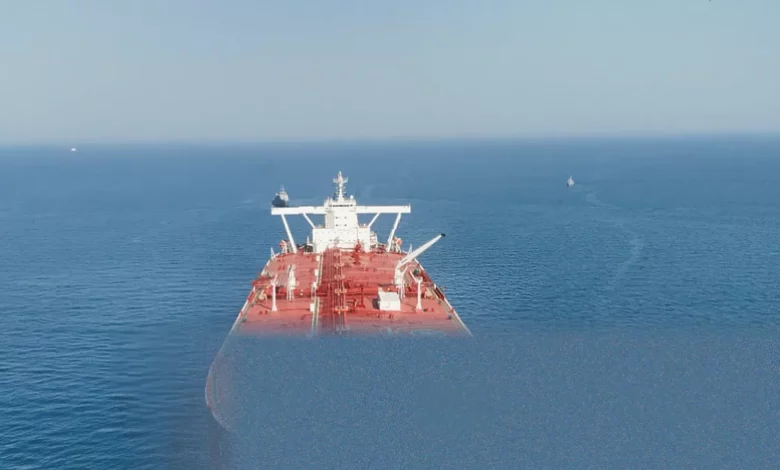
Against this backdrop of devastation, a fragile two-week ceasefire that began on April 8 is hanging in the balance. As the deadline passed, President Donald Trump stated he expected to resume bombing, saying, “I think that’s a better attitude to go in with,” and accused Iran of violating the truce “numerous times”. He has warned that without a deal, the US would destroy Iran’s power plants and bridges. Iran has rejected negotiating under threat and accused Washington of violating the ceasefire itself. Planned peace talks in Islamabad, with Vice President JD Vance leading the US delegation, remained shrouded in uncertainty. With Iran’s chief strategic weapon being the economic pain inflicted through its control of the Strait of Hormuz, and the US facing a trillion-dollar bill, the costs of continued conflict—both human and financial—are poised to escalate far beyond the already staggering totals seen today.